Explore the intriguing relationship between truffles and dogs, uncovering the science behind their allure and the complex aroma that captivates us.
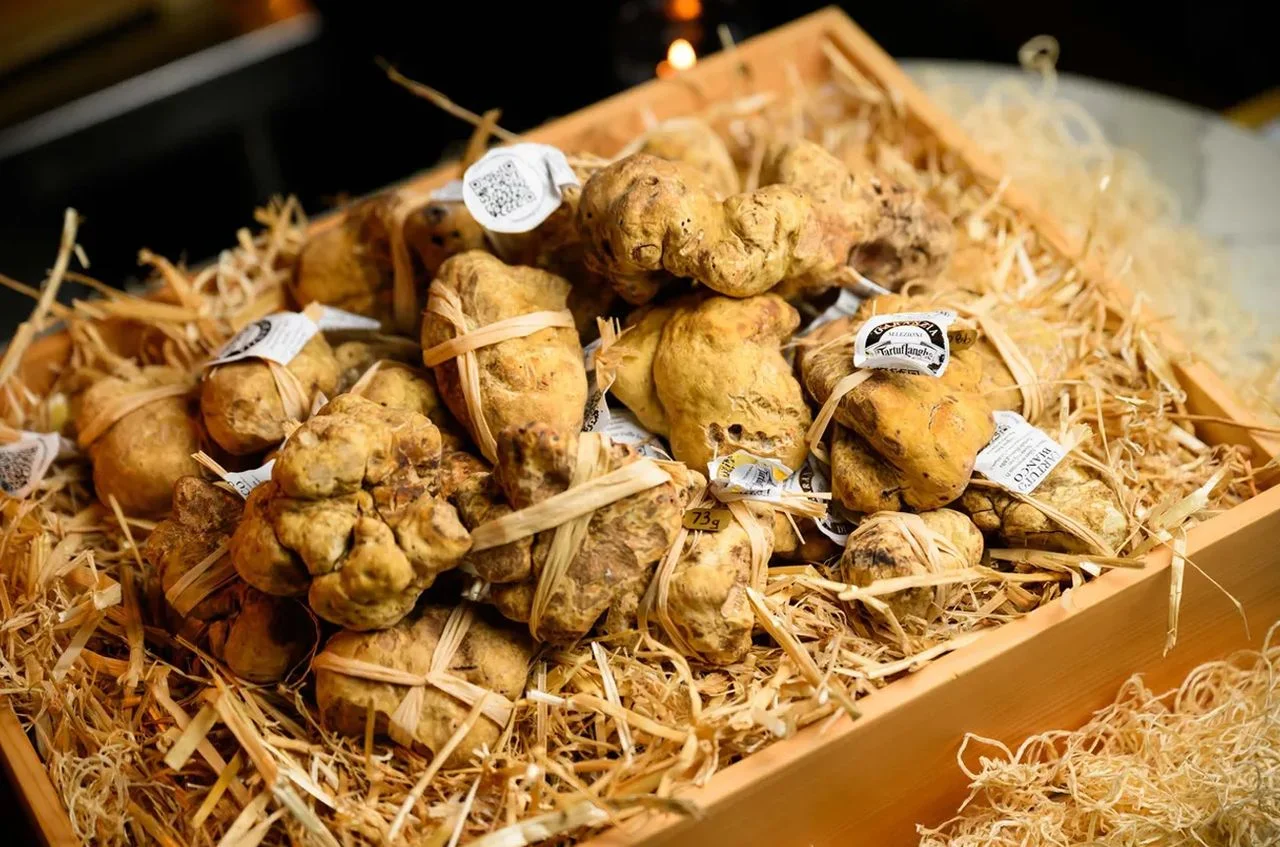
The early morning fog blankets the hills of Piedmont, setting a tranquil scene as seasoned truffle hunter Michele and his dog Macchia prepare for their day of foraging. Under the soft canopy of trees, Macchia—whose keen sense of smell is vital to their hunt—leads the way, nose to the ground, tail elegantly slicing through the mist.
They’re after the famed white truffle of Alba, scientifically known as Tuber magnatum Picco. This coveted delicacy, often referred to as "white gold," not only tempts the palate but also has fascinating implications for the brain, both of canines and humans.
How Truffles Influence Canine Behavior
The connection between dogs and truffles begins at a tender age. Michele reveals that puppies are introduced to truffle scents when they are still nursing. A light application of truffle oil on their mother’s teats helps imprint the fragrance as a comforting scent linked to nourishment.
This early exposure shapes their sophisticated olfactory abilities, which are vastly superior to those of humans. With an olfactory bulb that is proportionally 40 times larger, dogs can create mental maps of smells, associating them with experiences and emotions.
“When they smell truffles later, even years later, it wakes up something from when they were tiny. It’s the memory of their mother,” Michele explains, emphasizing the profound impact these scents have on a dog’s development.
As the puppies grow, training focuses on the faithful hunt for truffles. Michele hides pieces of truffle within cloth pouches and buries them, teaching the dogs to dig with their paws rather than using their teeth. Through practice, dogs like Macchia learn patience and finesse, embodying the intricate dance between hunter and quarry.
Neuroscience of the Hunt
When Macchia detects truffle scents, her demeanor transforms; a rush of dopamine surges through her system, spurring excitement and focus. Michele notes the change in her posture and energy, highlighting the intricate interaction of animals and their sensory experiences as they engage in the hunt.
The joy for the dog lies not solely in finding the truffle but in the thrill of the search itself. Michele states, “For the dog, the joy is in the digging.” This connection emphasizes the partnership between a truffle hunter and their dog—beyond skill, it’s about a shared purpose and trust.
Why Humans Crave Truffles
But what drives humans to pay astronomical prices—like €110,000 for a single truffle—at auctions? Understanding the allure of truffles leads us into the science of smell. Paul J. Zak, a leading neuroscientist, notes that odors, including those from truffles, engage brain regions tied to emotion and memory directly, bypassing the usual sensory filters. This results in a profound emotional response, giving truffle scents an irresistible allure.
Paolo Montanaro, CEO of Tartuflanghe, elaborates on the chemical complexity of truffles, highlighting that over 100 volatile compounds contribute to their distinctive aroma. Among these, 2,4-dithiapentane stands out, credited with creating the truffle's signature scent profile that includes earthy, musky, and slightly sulfurous notes.
This intricate arrangement of molecules appeals not just to humans but draws in animals as well, due to similarities to mammalian pheromones, which adds another layer to the seductive aroma of truffles.
The Paradox of Truffle Appeal
There’s an ironic twist in the world of truffles: scents that evoke decay and earthiness simultaneously symbolize luxury. Culinary traditions elevate truffles, using them to enhance dishes like agnolotti del plin and cream-based sauces.
Scientific perspectives suggest that novel and rare scents provoke human curiosity and can signal food safety and richness, thus increasing their allure. This craving for the unexpected intertwines with prestige, elevating truffles to objects of desire throughout centuries.
Pairing Wine and Truffles
Experts like Montanaro also draw connections between truffles and wine, noting that both share aromatic traits that blend harmoniously. Aged Nebbiolo wines, for example, often develop complementary notes that echo those of truffles, enhancing the dining experience as they interact chemically on the palate, with wine lifting the truffle's aromas even higher.
The relationship extends beyond flavor; truffles, as mycorrhizal fungi, interact with their environment to develop complex aromas influenced by their soil, trees, and microbial communities. This “microbial terroir,” akin to that in wine, shapes the overall sensory experience of truffles, adding a rich layer to their culinary status.
The Enigma of Truffles
Despite the scientific insights into truffles, many mysteries linger. As Michele and Macchia continue their search, the bond between them strengthens, underscoring their dynamic partnership. The complex ecosystem surrounding truffle growth, including why certain roots develop the necessary relationship to produce truffles, remains unsolved. As Montanaro points out, it is a captivating mystery that enhances the allure of truffles.
In the interplay of smell, cognition, and appreciation, the world of truffles reveals much about our own desires and connections—both to the earth and to the creatures we share it with.


Discussion
Sign in to join the discussion.