Riesling and Negronis surprise many with their complex flavors, appealing to connoisseurs while often being overlooked by casual drinkers.
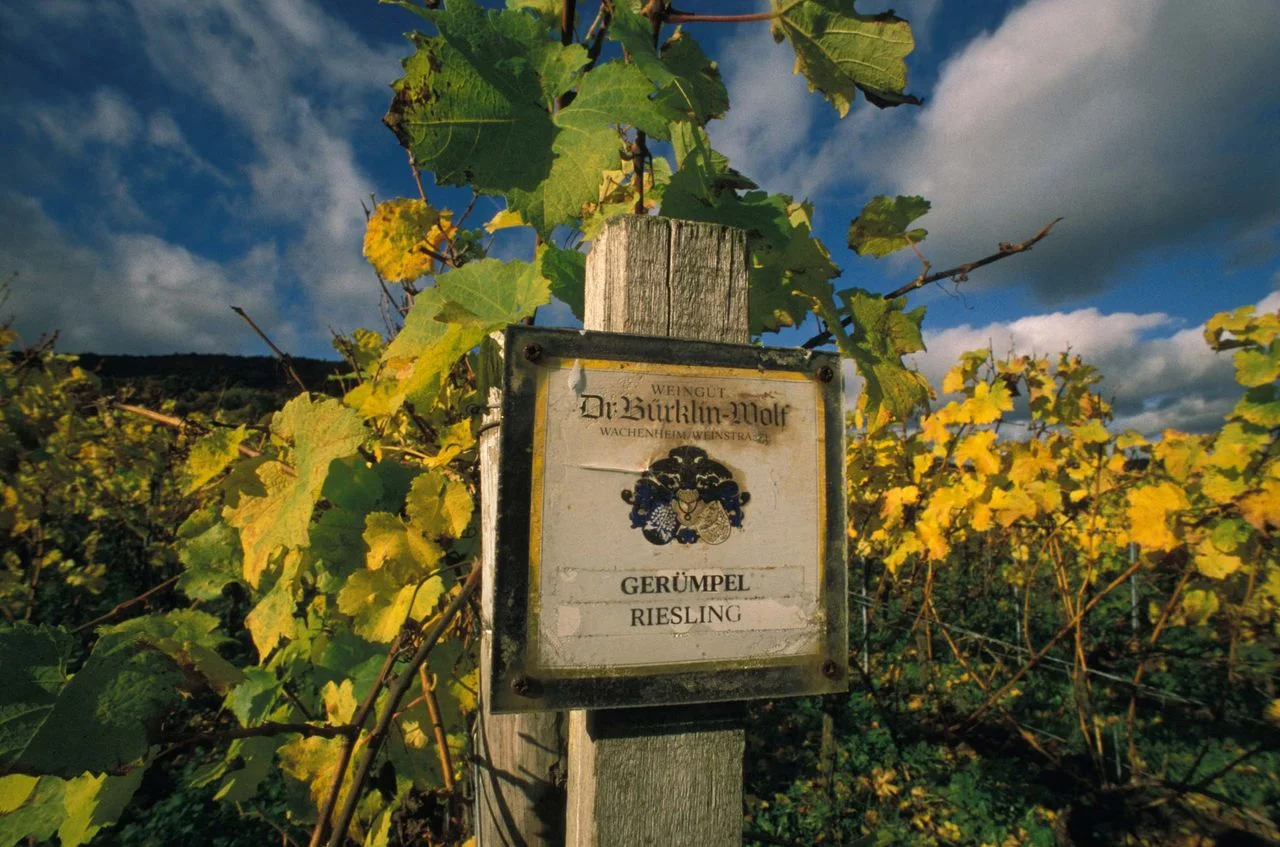
The appreciation for Riesling among wine professionals, including sommeliers and winemakers, stands in stark contrast to its popularity among everyday drinkers. Many non-industry individuals seem disinterested in this grape, rarely opting for Riesling unless compelled. It's evident that the shelves, especially in the UK, don’t prominently feature this varietal. This disparity highlights an intriguing paradox in the wine community, where professional acclaim doesn't always translate to consumer demand.
Understanding Riesling's Colorful Landscape
Riesling has a rich history that dates back centuries, originating from the Rhine region of Germany. It was once the darling of wine connoisseurs, praised for its ability to express terroir and offer a range of flavors from stone fruits to floral notes. But as tastes evolved and wine consumption patterns changed, Riesling struggled to maintain its foothold in the market. What was once considered a prestigious wine became associated with cheap, overly sweet German bottles from mass producers, leading to a tarnished reputation among casual drinkers.
People often base their wine choices on trends heavily influenced by marketing and social perceptions. Hence, Riesling's decline in casual popularity is more than just a matter of flavor; it’s also a result of consumer memory. No one wants to revisit the overly sweet wine experiences of the past, which often leaves them dismissing Riesling before they even give it a fair try.
The Dual Identity of Riesling
This disconnect raises questions about Riesling's dual identity. On one side, its nuanced terroir and varied sweetness levels invite those seeking complex and challenging wines. The grape is a chameleon, capable of producing everything from bone-dry to lusciously sweet bottles. For those who delve deeper, Riesling can tell a story — the unique characteristics of the vineyard and how the grapes were harvested create a tapestry of flavors. However, for casual drinkers, especially those looking for affordable white wines, Riesling may not be the first choice. The lingering memory of overly sweet, inexpensive German wines likely tarnishes its reputation in the minds of many.
Another challenge for Riesling lies in the consumer shift towards other varietals that have been heavily marketed and promoted. Sauvignon Blanc and Pinot Grigio, for instance, have enjoyed a surge in popularity as grocery stores and restaurants highlight their approachable taste profiles and food pairing versatility. This marketing pressure pushes Riesling further down the list for many casual wine drinkers.
Riesling and the Negroni: A Common Fate
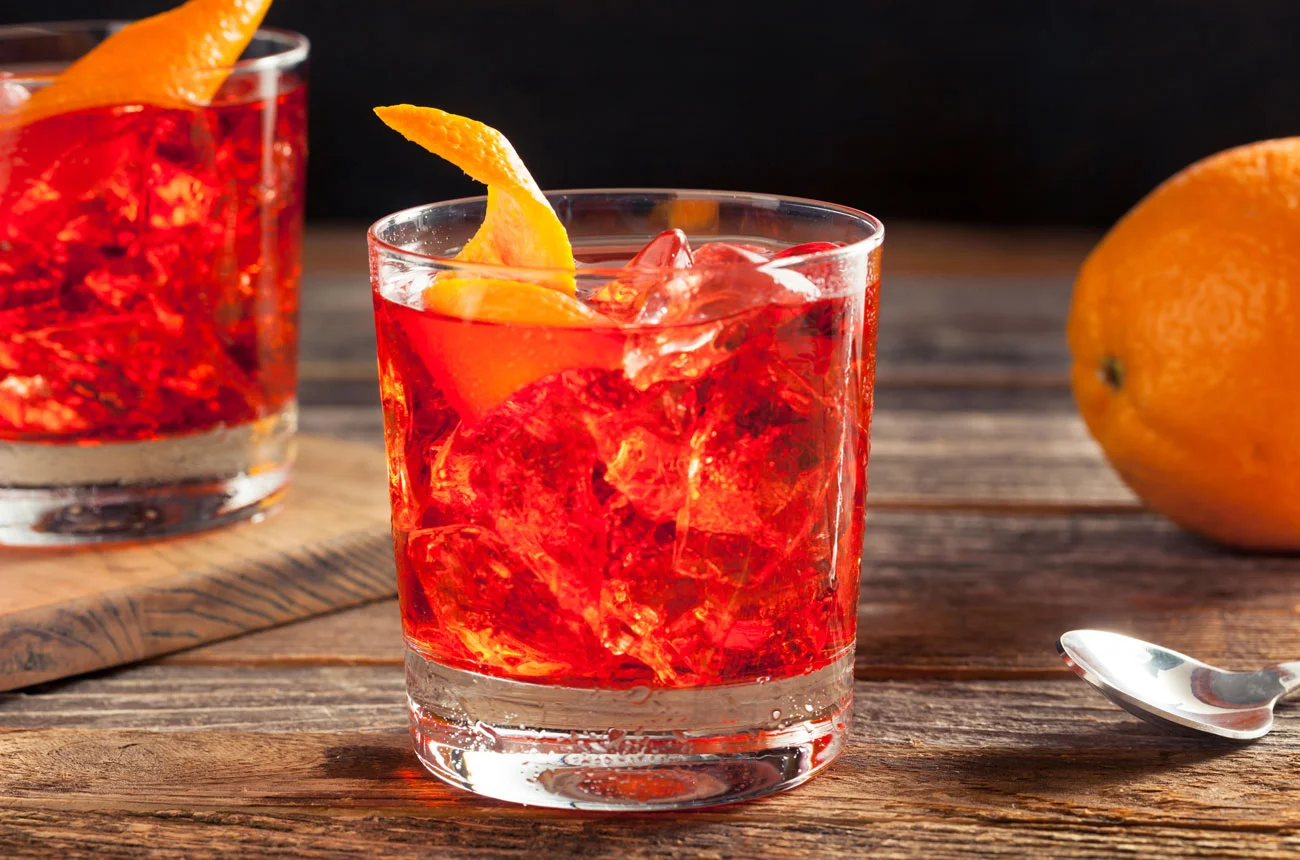
Interestingly, the Negroni faces a similar fate. While many regard it as a sophisticated blend of Campari, gin, and vermouth, its bold bitterness might deter those who prefer a simpler cocktail. This is not an uncommon trend; many classic cocktails are often bypassed in favor of sweeter, more palatable options. As with Riesling, the Negroni represents a somewhat acquired taste, one that rewards those who venture beyond their comfort zone.
But here's the thing: both Riesling and the Negroni possess a striking characteristic—they can both cleanse the palate beautifully. Riesling's high acidity balances complex flavors, enhancing the dining experience, while the Negroni’s bitterness provides a striking contrast that stimulates the taste buds. This quality often gets overlooked. If you're working in this space, you know that a well-made Riesling can elevate a meal just as effectively as a meticulously crafted Negroni can enhance social gatherings.
The Role of Quality Ingredients
Both drinks excel at showcasing their raw components. With no hidden flavors from oak aging or artificial additives, they demand high-quality ingredients for the best experience. For instance, in the wine world, how a Riesling is produced—whether it’s a single vineyard or a blend—can completely change its perception and flavor profile. In cocktails, the integrity of the gin and vermouth can make or break the drink. I’ve encountered enough poorly made Negronis with inferior vermouth and subpar gin to understand that even a well-loved recipe can falter when crafted without care. A bad gin can render a Negroni forgettable, just as a mediocre Riesling can lead to disappointment.
It’s often the discerning drinker who truly values the complexities these beverages present. Those who are willing to explore the world of Riesling can discover an array of styles that are far removed from their memories of sugary German wines, while the same holds true for Negroni drinkers who invest in quality ingredients. (And this is the part most people overlook.) When prepared with care, both Riesling and Negronis promise a depth of flavor that can rival more commercially popular options.
Implications for the Future
The future of Riesling and, to some extent, the Negroni may hinge on a broader shift in consumer preferences. This ongoing struggle between hard-earned professional esteem and mainstream popularity suggests a potential opportunity. More education and exposure could elevate the status of Riesling, repositioning it in the minds of casual drinkers. The rise of wine tastings, food pairings, and social media influencers may offer platforms for Riesling to regain its footing.
What this means for you is crucial if you're involved in either the wine industry or hospitality. As consumer education increases, the potential for Riesling's resurgence could offer a new angle for marketing and sales strategies. Maybe it’s time to revisit this underrated varietal—both for personal enjoyment and for offering something unique to your clientele.
What’s your take on Riesling and Negronis? I'd love to hear your thoughts. Feel free to reach out at [email protected].
Related articles
Best gins for a Negroni: 10 to try

$15 white Burgundy and magnums of Riesling: What our Burgundy expert drinks at home



Discussion
Sign in to join the discussion.