Tilray is closing breweries, trimming its portfolio and consolidating distribution as it targets $20 million in savings and prepares to expand its beverage business.
Tilray narrows its brewing footprint
Tilray Brands is shrinking its U.S. brewing footprint while preparing to handle more beverage volume. The company says it expects to save $20 million over the next two years through facility consolidation, product cuts and a smaller distributor network. That’s a notable shift in emphasis: Tilray is trying to lower the cost and complexity of its existing operations while making room for products it expects to bring in or grow.
A smaller, more focused brewing network
The owner of Shock Top and Redhook has reduced its U.S. brewing facilities from 10 to six, while cutting its distributor network by 9%. Fewer sites and distribution relationships can simplify planning and reduce overhead, but the change also concentrates production across a smaller group of facilities. Tilray said “additional initiatives to reduce complexity are underway,” signaling that the current reductions may be part of a broader operating reset.
The company has also cut the number of products it sells. Since early 2025, its SKU count has fallen by about 28%, after it removed items it characterized as duplicative, lower-margin or “slower-moving.” A narrower range can make production and inventory easier to manage; it can also leave less room for products that serve particular customers or local markets. The business case depends on whether the remaining products generate enough demand and margin to justify the streamlined setup.
CEO Irwin Simon said Tilray plans further distributor consolidation to reduce operating capacity. That effort fits the company’s stated goal of simplifying the business, though the practical effect will depend on how well the remaining network reaches retailers and consumers. A reduction in partners can lower complexity, but it puts more weight on the relationships and routes that remain.
“With a more efficient cost structure and additional volume opportunities ahead, we expect these actions to drive margin expansion and stronger earnings across our U.S. beverage operations, while creating greater flexibility to reinvest in our brands,” Simon said in a statement.
The closures affect breweries associated with Hop Valley, Redhook and Revolver. Tilray moved Terrapin production out of the brand’s Georgia brewery and into other facilities, while it sold the Atwater brand, which it had acquired from Molson Coors in 2024. Together, these moves show that the plan involves more than closing buildings: Tilray is also changing where certain products are made and which brands sit within its portfolio.
Making room for new volume
Tilray’s retrenchment comes as it shifts attention toward established regional labels, national brands and growth categories such as nonalcoholic drinks and functional energy beverages. Those areas give the company ways to pursue sales beyond its existing beer lineup, though each brings its own demands for production, distribution and brand support. The company’s challenge is to keep those expansion plans from recreating the complexity it is now trying to remove.
Tilray is also preparing for a Carlsberg partnership due to begin in January, which will bring the Danish brewer’s products to U.S. customers. The arrangement could add meaningful volume to the beverage operation, but volume alone doesn’t establish whether the business will earn attractive margins. The timing makes the brewery consolidation a practical part of the plan: Tilray is seeking capacity and a simpler cost base as it takes on another portfolio of products.
“Bringing on Carlsberg is going to be a big feat for us,” Simon said on an earnings call. “There's going to be a lot of product and a lot of opportunities with that.”
That’s a sizeable operational undertaking. New products need to be integrated into production schedules, distribution arrangements and sales efforts, and the company will have to coordinate those demands with its existing brands. If you're working in beverage operations, the tension will be familiar: more products can create new revenue opportunities, but they can also add steps and costs at every point in the chain.
Growth through acquisition, with execution still to prove
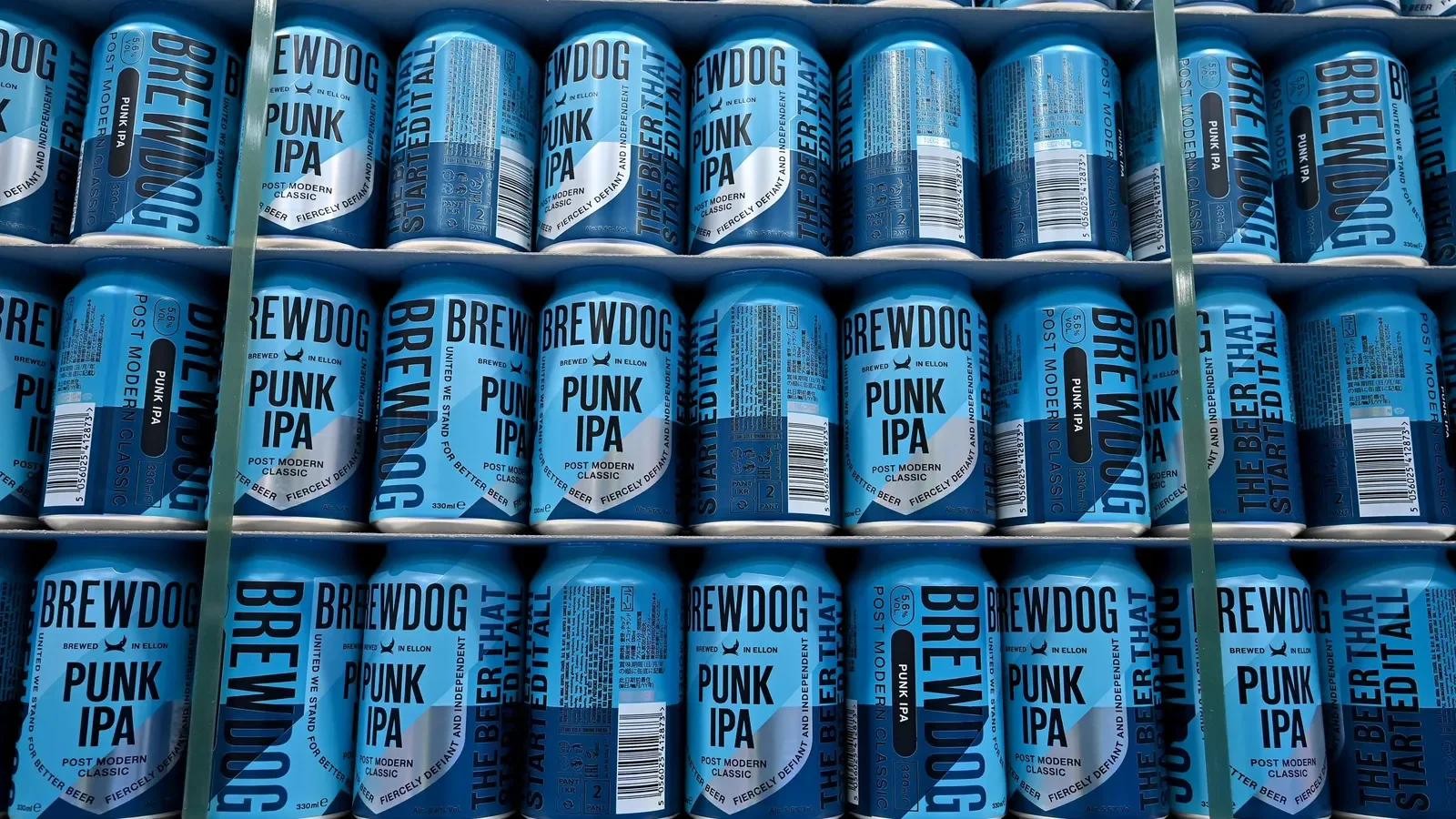
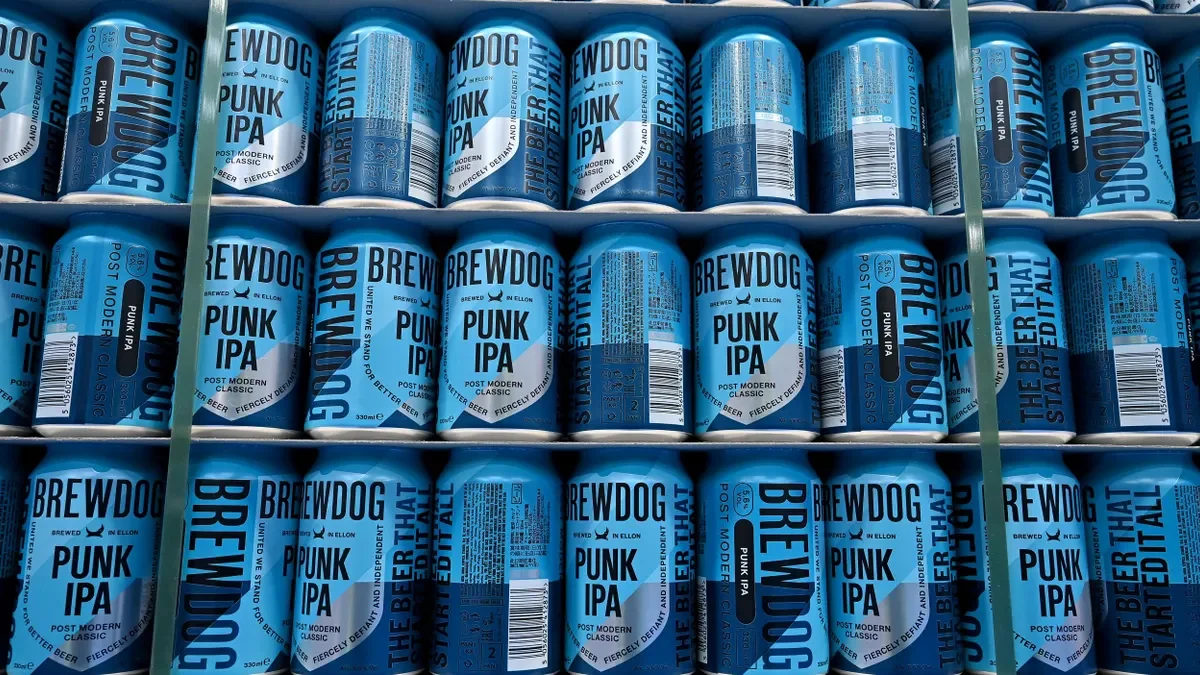
Tilray has also expanded through acquisitions. Its $44 million purchase of BrewDog earlier this year helped lift revenue to $257 million in its first quarter, up 23% year over year. Beverage revenue rose 82%, with BrewDog contributing to the increase. Those results show that the beverage business is growing, but revenue growth by itself doesn’t show how much profit the added sales produce.
That distinction matters as Tilray combines newly acquired brands, an incoming partner’s products and a smaller production network. Acquisitions can widen the range of products available to sell, while consolidation can reduce the number of facilities and products the company has to manage. Making the two strategies work together requires careful decisions about where products are made and how they reach customers. Here’s the thing: a leaner operation only helps if it can absorb the promised volume without adding costs that eat into the expected savings.
This is more significant than it looks. Tilray isn’t simply trimming its beer business; it’s trying to reshape the operating base around a broader beverage strategy. And yet, the company’s own figures leave the central question open: whether the savings and added sales will translate into stronger margins and earnings. A smaller network and a wider portfolio can coexist, but they put pressure on planning, production capacity and distribution.
The test is turning volume into margin
Tilray says its restructuring should save $20 million over two years and support margin expansion. The company has described the actions behind that target, including fewer U.S. facilities, a smaller distributor network and a reduced SKU count. It has also pointed to additional volume from Carlsberg and growth tied to BrewDog. Those are the ingredients of the plan; its performance will be measured by whether the business can handle the added work while capturing the savings.
There’s a clear tradeoff. Consolidating facilities and products can reduce duplicated effort, while taking on more brands may increase coordination needs. The execution question is whether Tilray can keep production and distribution efficient as the portfolio changes. The closures and cuts are tangible; the margin improvement remains an expectation.
For readers tracking the company’s beverage strategy, the next useful signals will be whether revenue growth continues alongside evidence of stronger operating performance. Tilray has described both a leaner business and a larger opportunity set. The hard part is making those two plans reinforce each other. More volume, fewer moving parts—and no guarantee that the arithmetic works until the results show it.
Discussion
Sign in to join the discussion.