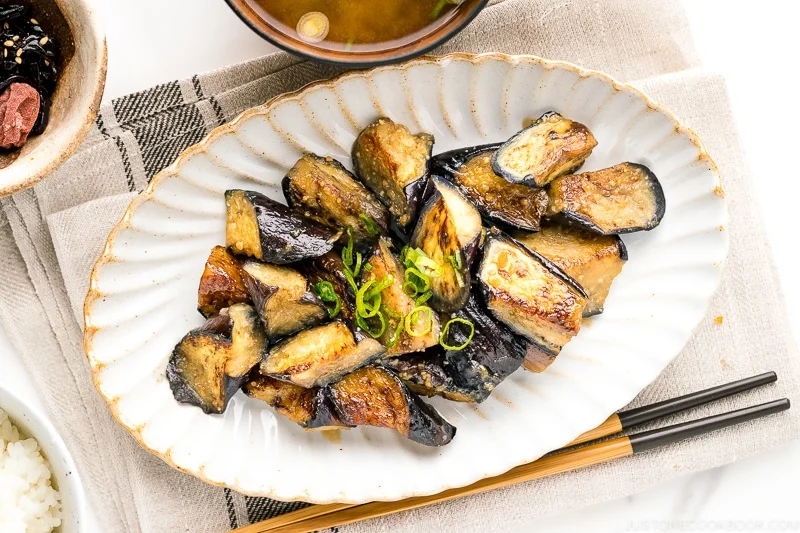
Stir-Fried Miso Eggplant is a quick, flavorful dish that highlights the creamy texture of Japanese eggplant, perfect for busy weeknights. Enjoy authentic tastes in just 20 minutes!
Stir-Fried Miso Eggplant is not just another dish; it embodies the essence of home-cooked Japanese cuisine. Quick to prepare and bursting with flavor, this dish showcases the versatility of eggplant, particularly the Japanese variety, which is favored for its creamy texture and subtle taste. In just 20 minutes, you can transform simple ingredients into a vibrant side or main course, making it an ideal choice for busy weeknights.
### The Dish and Its Appeal
The heart of this recipe lies in the marriage of tender eggplant, drenched in a sweet and savory miso-ginger sauce. The secret? A quick sear that locks in the eggplant's natural creaminess while allowing it to absorb the rich flavors of the miso sauce, creating a dish that feels both satisfying and light.
What sets Miso Eggplant Stir-Fry apart is its cooking technique. The angled cuts of the eggplant, known in Japanese as *rangiri*, not only provide a unique aesthetic but also maximize the surface area for quicker cooking and sauce absorption. That's right—these irregular wedges ensure every bite bursts with flavor.
### Key Ingredients
Creating the perfect Miso Eggplant Stir-Fry requires a handful of key ingredients.
- **Japanese Eggplant**: Their thin skin and minimal seeds make them ideal for this dish, but if they're hard to find, Chinese or even globe eggplants will work in a pinch.
- **Miso**: White miso is preferred for its mild sweetness, but feel free to use what you have on hand for a deeper, more complex flavor.
- **Sake and Mirin**: These elements not only tenderize the eggplant but also add a layer of sweetness and depth to the glaze, elevating the overall taste.
If you're craving something deliciously different but worry about time, this stir-fry is a must-try. It's straightforward enough for any home cook while delivering authentic flavors that can impress anyone seated at your table.
Is it possible to resist the allure of this dish? Not likely. Dive into the world of Japanese flavors and embrace the wonderful simplicity that Stir-Fried Miso Eggplant brings.
If you’re interested in expanding your culinary repertoire, consider also trying recipes like Miso Pork and Eggplant Stir-Fry or a medley of Stir-Fry Vegetables, both of which are sure to delight. Whether you're cooking for your family or hosting friends, this dish is bound to be a hit.
Crafting the Miso Sauce
To kick things off, start by preparing a flavor-packed miso sauce. Take fresh ginger and grate it using a ceramic grater for the best texture. In a small bowl, mix the ginger with miso, sake, mirin, and soy sauce. Whisk everything together until it reaches a smooth consistency. This sauce forms the backbone of your dish, bringing a sweet-savory depth that pairs beautifully with the eggplant.
Cutting the Eggplant
Next up is the eggplant. Employ the *rangiri* technique, which involves cutting the eggplant into bite-sized pieces with a slight roll of the vegetable for those irregular wedges. This method increases the surface area, allowing the eggplant to cook more evenly and soak up that delicious miso sauce later on.
Cooking the Eggplant
Moving to the stovetop, heat a blend of neutral oil and sesame oil in a skillet over medium heat. Don’t overcrowd the pan; sear the eggplant pieces in batches until they develop a lovely brown color and feel tender, usually around 1½ to 3 minutes per side. This step is crucial, as properly seared eggplant will create a richer, more satisfying texture in your final dish.
Finishing Touches
Once the eggplant is seared, it’s time to elevate the flavors. Pour in your prepared miso sauce and give the pan a gentle shake to ensure every piece gets coated. Allow the glaze to thicken slightly, then remove the pan from heat. For a fresh kick, garnish with sliced green onions before serving. This vibrant finish not only adds taste but also a beautiful visual element to your dish.
Looking Ahead: The Recipe Review Ecosystem
As we explore the ongoing evolution of digital cooking platforms, the emphasis on user engagement is becoming increasingly clear. It’s not merely about presenting recipes; the ability to receive and integrate user feedback is redefining how cooking content is curated. Take a look at the user rating feature implemented here—boasting an average of 4.7 stars from 65 votes. Such metrics speak volumes, showcasing engagement and trust from the cooking community. If you're managing content in this space, consider that maintaining a feedback loop not only boosts user satisfaction—it also influences future content decisions significantly.
Here's the thing: platforms that merely broadcast recipes without fostering interaction risk becoming obsolete. Users want to feel heard; they want their experiences and suggestions to matter. With the increasing competition among food blogs and culinary apps, this kind of engagement is not just beneficial—it’s essential. Engaging content leads to greater visibility and, ultimately, a loyal user base.
And yet, as tempting as it is to chase after high ratings or viral trends, it’s crucial to remember the fundamental purpose of any recipe—nutritional value and culinary joy. Ultimately, they should inspire confidence in the kitchen, expand culinary horizons, and turn cooking into a pleasurable experience. The metrics can tell you where you stand, but they shouldn't dictate your culinary philosophy.
So, if you’re in the business of sharing recipes, pivoting towards a more interactive model could be the key to future-proofing your platform. Ensure that your audience can contribute—whether through ratings, comments, or even recipe variations—to create a vibrant and dynamic cooking community.



Discussion
Sign in to join the discussion.