Explore the intricate responsibilities of Champagne cellar masters, where artistry and precision intersect in crafting iconic wines.
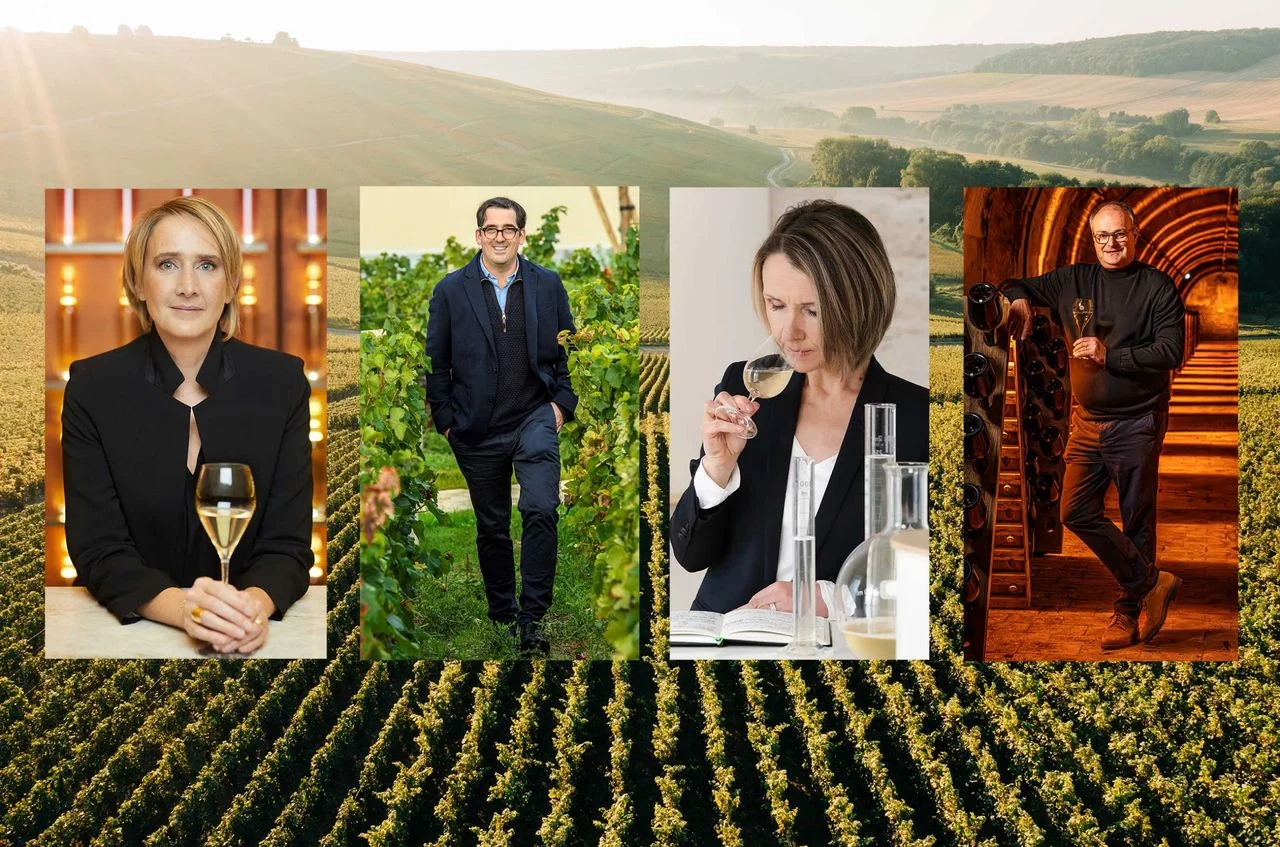
Winemaking, at its essence, revolves around transforming a harvest into a palatable product. In the world of Champagne, however, this process encompasses a range of complexities that go far beyond the simple vinification of grapes. This is particularly true for the iconic non-vintage wines, which account for over 90% of production in the region.
The Champagne houses themselves control only about 10% of the vineyard land. The remaining area is farmed by more than 16,000 individual growers, from whom these houses source their grapes. This unique arrangement necessitates the assembly of a vast array of wines, making the role of the cellar master—known in French as chef de caves—one of the most complex in the wine industry.
Steering the Ship
Champagne cellar masters are pivotal in maintaining the distinctive style of their labels. Séverine Frerson, cellar master at Perrier-Jouët, emphasizes that their primary responsibility is to the wines’ integrity. They may not engage in the day-to-day management of the cellar, but they orchestrate crucial blending sessions after the base wines have been fermented.
Cellar masters collaborate closely with their winemaking teams to create blends from hundreds of wines, presenting these to a tasting committee that evaluates their alignment with the house's style and quality standards. In family-owned houses such as Billecart-Salmon, cellar master Florent Nys not only presents blends but does so in the presence of other winemakers and family members, ensuring a familial consensus on the visions for the wines.
Other houses operate on a more corporate level, where the cellar master functions much like a CEO. As Julie Cavil of Krug describes, she comes to the blending committee with 97% of a blend finalized, with only a small portion requiring discussion. The ultimate decision rests with her, granting her the final say before the wine is approved. This underscores the significance of their expertise in guiding the direction of the wines.
The blending process also extends to determining the dosage before the final product is released. Nys has developed a repertoire of 51 different dosage liqueurs, each crafted from varied grape types, vinification methods, and aging profiles. This meticulous approach ensures that each bottle reflects a considered balance of flavors.
Masters of the Reserves
In addition to blending the current harvest, cellar masters possess an intricate knowledge of reserve wines—they must understand the house's library of past vintages. Olivier Vigneron of Laurent-Perrier manages 300 tanks from previous years, demonstrating an impressive depth of knowledge about each wine's maturation potential and character contribution.
Different houses adopt unique methodologies for their reserves. For instance, some may age wines in smaller oak barrels for quicker maturation, while others utilize larger stainless tanks for a slower, more controlled aging process. Moët et Chandon’s Benoît Gouez highlights the importance of maintaining consistency by using youthful reserves to reinforce the wine’s inherent potential rather than adding noticeable aging notes.
A careful balance is maintained, especially when pre-blending wines from multiple regions to prepare for bottling. Strong years allow for more reserve wine being kept, while weaker years require meticulous assembly to ensure no wines included will hinder the aging process. This foresight showcases the assessments that a cellar master must constantly make, almost like peering into a crystal ball for future bottlings.
In Front of the Cameras
Previously, cellar masters operated behind the scenes, focusing solely on winemaking. Today, their roles have evolved into public-facing positions, serving as ambassadors for their brands. Cavil from Krug humorously likens her wardrobe to that of a chameleon, needing appropriate attire for cultivating relationships with growers and sharing insights with media.
Some cellar masters, like Jean-Baptiste Lécaillon of Louis Roederer, thrive in this ambassadorial role, effortlessly transitioning from cellar work to presenting at tastings. Conversely, others are less public-facing, sticking closely to the traditional aspects of the job. Nevertheless, the expectation for cellar masters to juggle technical expertise with the demands of public interaction can be challenging, leading some, especially in traditional houses like Bollinger and Charles Heidsieck, to step away from the industry altogether.
A Team Sport
Despite the individual acclaim many cellar masters receive, winemaking at this level is undoubtedly a collective effort. Teams collaborate closely, as seen in Ruinart, where the winemaking team actively engages on social media to highlight the technical facets of their work. Caroline Fiot, Ruinart's cellar master, acknowledges that continual skill development remains essential and has engaged with everything from microbiology to innovative vinification methods.
Even those with a highly technical background find excitement in the diverse nature of the role, which avoids monotony and combines the science of winemaking with the elegance of Champagne production. As Fiot expresses her passion, it’s evident that for many cellar masters, the thrill lies in the blend of labor and luxury that defines their work.


Discussion
Sign in to join the discussion.