The 2024 Margaret River vintage has surprised winemakers with its early harvest, showcasing unique characteristics in Chardonnay and Cabernet Sauvignon.
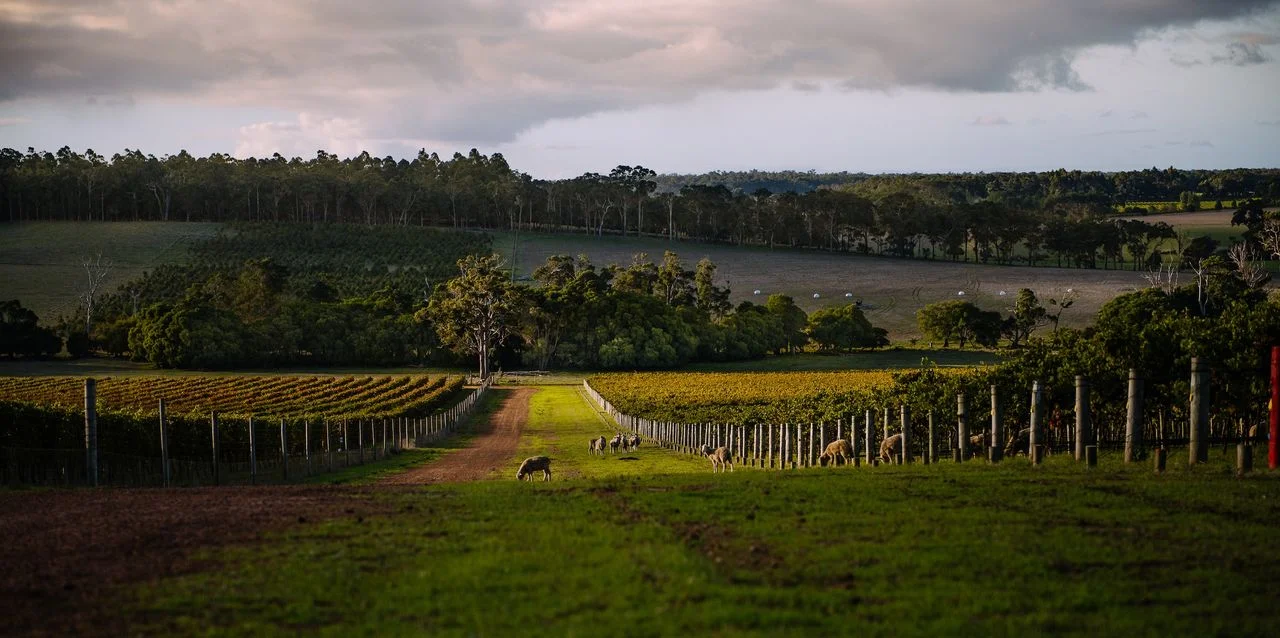
The 2024 vintage in Margaret River has caught everyone off guard with the earliest harvest on record, forcing winemakers to adapt quickly. Many began picking grapes as much as a month sooner than typical years, presenting logistical challenges that required nimble solutions. Traditional harvest timelines are now being rewritten, and this isn’t just a footnote; it raises important questions about sustainability in viticulture as climate change influences harvest timings globally.
The Impact of Early Harvests
Adaptations to these changes aren’t merely operational; they reflect a shift in how vineyards view their relationship with nature. Winemakers in Margaret River have had to evolve their practices to manage grapes that could ripen under extreme heat conditions. If you're working in this space, you know it’s not just about the fruit quality but also about how to protect and enhance that quality amid stark climatic shifts.
Despite the haste, dedicated vineyard management and skilled winemaking led to a remarkable array of wines for 2024. “It was the earliest, driest, hottest vintage on record,” notes Vanya Cullen from Cullen Wines. She elaborates that the challenges of this vintage really test vineyard management practices. This means that the skill of winemakers will likely stand out more than ever, as those who can react effectively to early harvest conditions may produce superior wines that reflect the local terroir in distinctive ways.
The Role of Vineyard Management
Similarly, Joanne Davies from Windows Estate echoes this sentiment, emphasizing the heightened importance of meticulous vineyard management amidst the unique conditions of the year. Effectively managing these conditions can mean the difference between mediocrity and excellence. Interestingly, the wines suffering from a lack of balance didn’t stem from overripeness but rather exhibited a distinct angularity with high acidity, possibly due to earlier-than-usual picking to counter the heat. This points to an emerging trend where acidity may be prioritized over sugar content in crafting balanced wines.
Environmental Factors Shaping Diversity
The Margaret River's vast expanse, stretching over 100 kilometers, introduces a diversity of terroirs influenced by factors like proximity to the Indian Ocean, soil types, and even varying winemaking techniques. This year, the vintage conditions highlighted this diversity, making individual choices in wine production particularly significant. Winemakers must consider how their unique microclimates and soil compositions can yield wines that remain iconic, even amid unprecedented challenges. The standout wines possess strong structure, vibrant fruit clarity, and an engaging brightness in acidity, qualities that will likely capture buyers' attention.
Characteristics of the Wines
Notably, a degree of reduction—a flavor characteristic that can manifest as flinty or smoky—has gained traction among some producers. Yet, the potential downsides are evident; excessive reduction can overshadow the wine’s natural fruit quality and detract from its appeal. That said, a slight reduction can add complexity and stylistic flair when managed properly—this is the tightrope winemakers walk. (And this is the part most people overlook.) Understanding the nuances between reduction and fruit expression will be vital for consumers looking for depth in their wine selections.
“It was the earliest, driest, hottest vintage on record.”
—Vanya Cullen
Chardonnay
2024: 4/5 - The warmest and driest vintage yet delivered whites with impressive power and acidity when managed effectively.
2023: 5/5
2022: 5/5
2021: 4/5
2020: 5/5
Cabernet Sauvignon
2023: 5/5 - Exceptional conditions resulted in reds with exquisite aromatics, phenolic maturity, and bright acidity.
2022: 5/5
2021: 3/5
2020: 5/5
2019: 4/5
Insight into the 2023 Cabernet Sauvignons
Margaret River's Mediterranean climate plays a significant role in creating ideal conditions for winemaking. Rainfall is predictable, frosts are rare, and even in warmer years, temperatures remain moderate. Glenn Goodall, senior winemaker at Xanadu, describes the 2023 vintage as a “Goldilocks” year—“not too hot, not too cold.” This balance, paired with optimal conditions leading up to harvest, has led to noteworthy wines. It's this consistent climate that positions Margaret River as a premium winemaking region, anticipating consumer demands for quality and complexity.
The stellar 2023 vintage ranks alongside the likes of 2018 and 2012, with Cullen pointing out how even temperatures led to wines rich in flavor. The consistency across the region, despite its varying climates, allowed for wines that are aromatic, nuanced, and elegant, featuring refined tannins and ample natural acidity. The capability for these wines to age gracefully adds to their allure. You'll find that the subtleties in each vintage create a delightful journey for both winemakers and consumers alike.
Cabernet Sauvignon, in particular, reveals layers of complexity with each tasting. Some bottles continue to evolve and impress over several days, showcasing their depth and character. This kind of aging potential isn’t just a parlor trick; it signifies a wine's quality and investment worthiness in the eyes of collectors and connoisseurs.
Margaret River's New-Release Chardonnay and Cabernet Sauvignon
For more in-depth assessments of the latest releases, explore here for additional ratings and insights on the standout 2024 Chardonnay and 2023 Cabernet releases.
Future Implications for Margaret River Wines
The early conditions of the 2024 vintage aren’t isolated—they reflect a broader trend that may continue to challenge winemakers everywhere as climate patterns shift. How producers adapt can set the tone not just for the individual wineries but also for the reputation and economic viability of the region as a whole. If the 2024 wines are anything to go by, the resilience and resourcefulness of Margaret River's winemakers will be pushed to the limit.
As consumers become increasingly aware of the narratives behind their wine, they'll likely gravitate toward those producers who tell compelling stories of adaptation and craft. This demand for transparency could push winemakers to rethink their strategies, focusing not just on the bottle but on the entire lifecycle of the vineyard. Marginal gains in quality may turn out to be the secret to success in an industry that remains unpredictable yet hopeful.


Discussion
Sign in to join the discussion.