PepsiCo embraces the dirty soda trend with new ready-to-drink innovations, aiming to capture a market that has yet to peak.
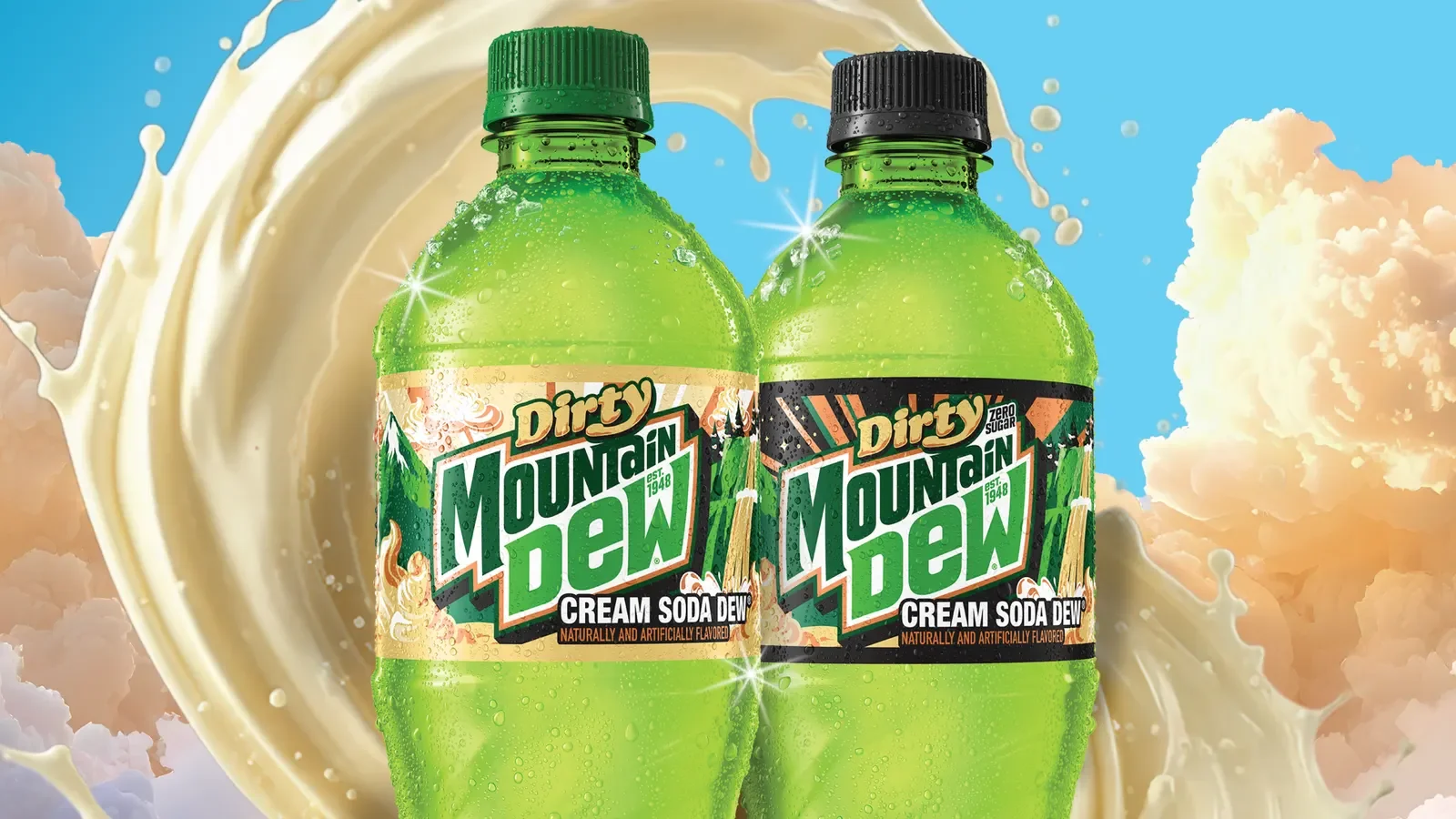
PepsiCo is positioning itself at the forefront of the dirty soda phenomenon, recognizing the trend’s momentum and potential for growth in the ready-to-drink sector.
The Rise of Dirty Soda
Dirty soda, which typically blends soda with creamers and fruit purees, has gained popularity, particularly on TikTok and through Utah-based chains like Swig. It's fascinating how something relatively niche can explode into a cultural trend. The virality on social media platforms has played a critical role in driving awareness. Young consumers, in particular, are influenced by visual appeal and creative combinations. While these indulgent beverages have become increasingly common on restaurant menus, grocery store availability remains limited. This gap indicates an opportunity, and PepsiCo is determined to change that narrative. Executives assert that the market hasn’t yet reached its zenith, suggesting they see significant growth potential ahead.
Products Tailored to Taste
In early 2026, PepsiCo launched Dirty Mountain Dew, inspired by the dirty soda trend and featuring a cream soda flavor. This was followed by the introduction of Mug Vanilla Howler, a product designed to evoke the nostalgia of root beer floats. There's a clear strategic alignment here; PepsiCo is tapping into nostalgia while also refreshing its image in the competitive soft drink arena. According to Michael Smith, vice president of marketing for PepsiCo's flavored sparkling portfolio, the company's attention to the rising trend gave them the confidence to explore avenues for expanding their product lineup.
Consumer Expectations and Challenges
"We were seeing dirty soda just pop up consistently in the marketplace,” Smith explained. “Once we identified that the trend was legitimate and presented an opportunity, it was about determining the best delivery method for our brands.” This transition isn’t as straightforward as it seems, though. The challenge of launching ready-to-drink dirty sodas lies in consumer expectations shaped by experiences in restaurants and local chains like Swig. This expectation often includes a high degree of personalization that isn’t usually available in pre-packaged formats. The popularity of DIY dirty soda recipes online adds another layer to this complexity, creating a desire for customization among consumers. PepsiCo recognizes the need for meticulous formulation to ensure that new products meet these established tastes and textures.
Consumers generally seek a creamy finish and a pleasing mouthfeel while retaining the original soda's flavor. PepsiCo’s focus on delivering these sensory experiences taps into a broader trend in consumer behavior: the desire for small indulgences that can be integrated into everyday life. This isn't just about flavor; it's about an experience, a moment of indulgence within a busy schedule.
Feedback and Market Dynamics
Managing consumer expectations can be a labyrinth, but the potential rewards are substantial. Feedback on the new dirty soda products has exceeded typical responses seen with traditional flavor launches. Smith noted that embracing the “dirty” label for the Mountain Dew brand aligned with market trends and allowed for an engaging flavor transformation. But here's the thing: while strong initial feedback is promising, long-term success will depend on whether these products can sustain interest and excite the evolving consumer palate in a fast-paced market.
The approach for creating a dirty soda under the Mug brand differed due to its distinct flavor profile. With root beer often associated with root beer floats, the transition to a dirty soda was more straightforward, allowing for creative adaptations in flavors like vanilla. This differentiation demonstrates PepsiCo’s agility in tailoring its strategy to various brand identities. While the company's core brands have strong recognition, the ability to adapt them to trends instead of forcing a fit is something to watch closely.
Future Outlook and Health Trends
Looking ahead, PepsiCo plans to tighten its focus on cream-based additives and customization in future product releases. Smith projects that the dirty soda trend will not only persist but potentially accelerate. “The concept of personalization within beverages, particularly in dirty sodas, isn’t going to fade away,” he stated. This commitment to customization reflects a broader consumer interest in products that cater to individual tastes and preferences. If you're working in this space, it's clear that manufacturers will need to stay agile and responsive to new consumer desires.
Interestingly, PepsiCo envisions a blending of indulgence and functionality in this beverage category. There’s a rising market for sodas that incorporate innovative ingredients like proteins and prebiotics, suggesting a shift towards healthier indulgences. Smith highlighted an intriguing thought: “Consumers can hold two ideas in their mind at the same time.” This ability to balance cravings with health interests underscores a significant shift in consumer mindset. That's where PepsiCo could find a unique niche; offering products that satisfy multiple needs could resonate deeply with a growing segment of health-conscious consumers.
Bridging Indulgence and Health
To capitalize on this concept, PepsiCo has initiated campaigns that promote mixing protein shakes with Mug zero-sugar soda, effectively bridging the gap between the dirty soda trend and functional beverages. This cross-pollination of ideas could appeal to a diverse consumer base looking for options that fit various aspects of their lives. Just think about it: how often do you see two contrasting ideas successfully merged in the beverage aisle? It's a unique strategy that could set PepsiCo apart.
In closing, Smith emphasizes the importance of developing products that authentically meet evolving consumer preferences across both indulgent and health-conscious dimensions. The intersection of these two worlds may well define the future of beverage innovation, as consumers look not just for flavors but for experiences that align with their diverse lifestyles.

Discussion
Sign in to join the discussion.