Hain Celestial is set to sell its international operations for $323 million, focusing on streamlining its business and reducing debt.
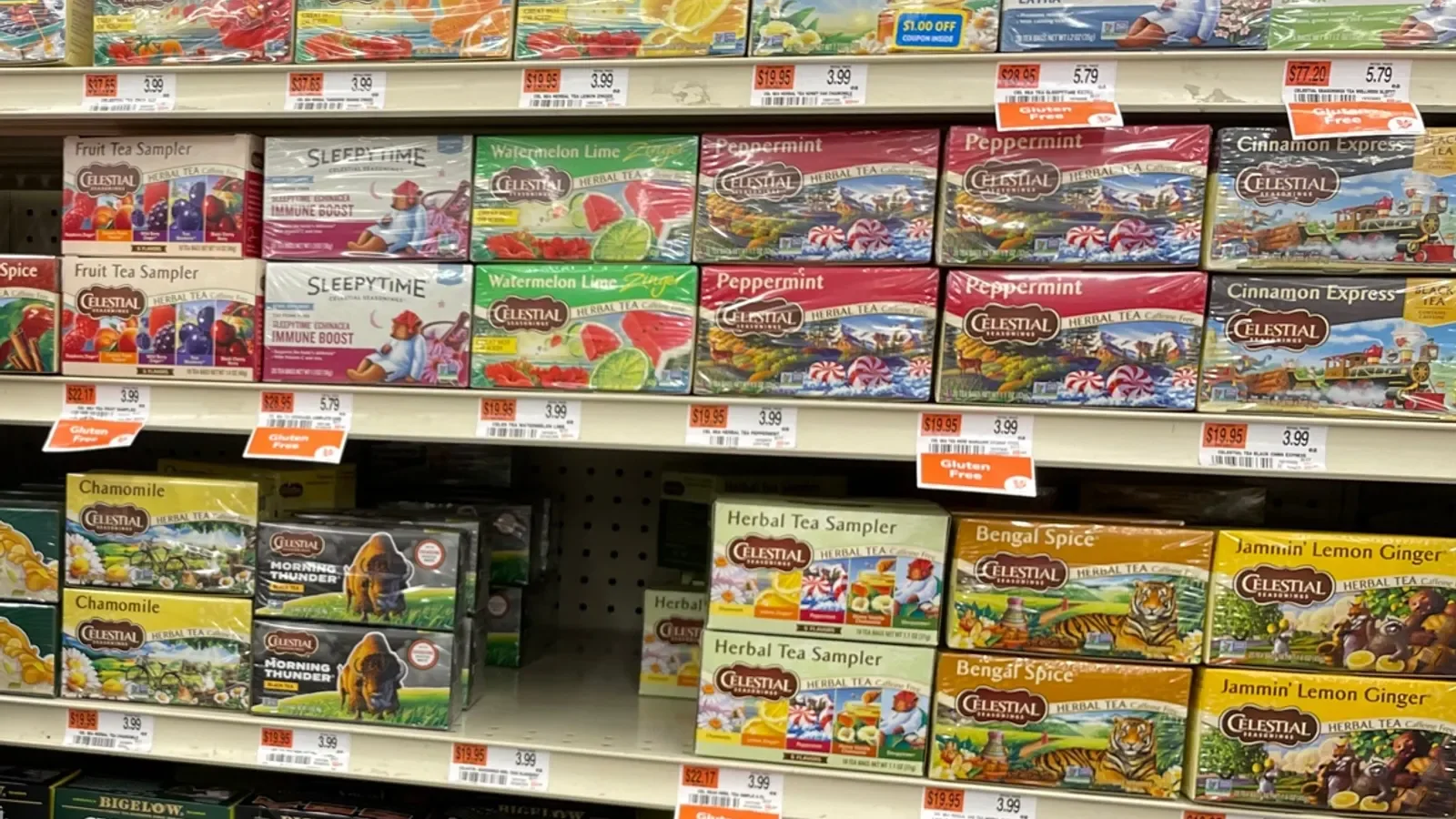
The recent decision by Hain Celestial to sell its international division to Aurelius Capital for approximately $323 million signals a pivotal shift in the company's strategy. This marks the second significant divestiture Hain has undertaken this year, following the sale of its North American snacks segment earlier, which fetched $115 million. These moves reflect deeper issues within the organization and may set the stage for its future path.
Strategic Move to Streamline Operations
With this sale, Hain aims to simplify its portfolio and alleviate its debt burden. The deal includes prominent brands like Joya and Natumi plant-based beverages, Hartley's jelly, and Linda McCartney Foods. The anticipated net proceeds from the transaction are estimated between $305 million and $310 million, with closure expected by the second quarter of Hain's fiscal year ending December 31. Simplifying operations could be a double-edged sword, though: while it may help clear debt, it also risks diluting market presence by shedding diversity in offerings.
Impact on Revenue and Brand Focus
Following this divestiture, Hain will retain a smaller brand portfolio, including well-known names such as Celestial Seasonings and The Greek Gods. The international business was a significant revenue contributor, generating $151 million in sales during the last fiscal quarter, accounting for nearly 60% of Hain's total sales for that period. After the sale, Hain's remaining operations had sales of only $112 million in the same timeframe. The stark drop in revenue clearly shows the risks Hain is taking: can they consolidate enough to make the reduced lineup viable?
Brand loyalty is another variable. Celestial Seasonings and The Greek Gods are strong names, but Hain will need to reinvigorate them to gain traction in a crowded market. If you're working in this space, you'll recognize that simply maintaining existing products isn't enough—engagement and innovation will be essential to drive sales moving forward.
A Shift from Acquisition to Streamlining
Hain's evolution from a company once known for frequent acquisitions to one prioritizing operational efficiency and core brand focus has become evident throughout 2026. Offloading its snacks business indicates a clear pivot towards coherent brand management and growth initiatives. This strategy shift may be prudent amid challenges faced within the organic food sector, where competition has surged from both conglomerates and nimble private label brands.
That said, the natural food market's competitive pressure prompts closer scrutiny of Hain's long-term strategy. The company's efforts to streamline may not only lighten its debt load but also sharpen its focus on its core offerings. Shifting priorities to strengthen brand management could improve agility and response times in rapidly changing consumer markets. In this sector, where trends can alter overnight, agility can make or break a company.
CEO Alison Lewis has articulated that this transaction is crucial for advancing Hain's strategy to simplify and focus its resources more effectively. "The streamlined North American business will enhance our ability to concentrate on growth opportunities," Lewis stated, highlighting the company's commitment to addressing debt and enhancing operational focus. But while these statements sound hopeful, they must be backed by measurable outcomes. Investors and consumers alike are watching closely to see if Hain can indeed turn this leaner model into a success.
Cost-Saving Measures Ahead
Accompanying the sale, Hain is also engaging in cost-cutting measures expected to yield about $16 million in annual savings relative to fiscal 2026. These actions underscore the company's intent to manage expenses more stringently while navigating a challenging market. The operational tightening signals discipline and a willingness to respond to external financial pressures; however, it's also easy to become overly focused on cost-cutting at the expense of investment in brand growth.
(And this is the part most people overlook.) It's crucial to remember that cutting costs often leads to reduced capabilities, notably in marketing and R&D—a risky gambit in a sector that thrives on new ideas and strong brand presence. Yes, savings are essential, but they can't come at the price of stagnation. Hain will need to strike a balance between tightening the purse strings and investing in innovation if it hopes to carve out a significant niche within healthier food offerings.
Implications and Future Outlook
As Hain Celestial refines its approach, the goal remains to carve out a competitive niche in the healthier food segment, looking to sustain growth and improve financial stability. The ongoing challenges inherent in the food industry, especially in health-oriented sectors, will test Hain's resilience. Whether or not these strategic moves pay off remains to be seen, but one thing is certain: Hain's future success hinges not only on shedding excess baggage but also on revitalizing remaining brands to engage consumers effectively.
The holistic direction Hain is taking involves tough decisions. It’s a balancing act between maintaining brand integrity through effective marketing and managing operational efficiencies that repair their bottom line. If they falter, it won't just harm investors but could also diminish consumer trust in the brand. Change is inevitable, but thoughtful execution will determine Hain Celestial's next chapter.


Discussion
Sign in to join the discussion.