Mondelēz is set to overhaul Oreo, proposing new packaging, pricing strategies, and formulas to enhance the brand's growth potential by 2027.
Oreo's Upcoming Revamp by Mondelēz
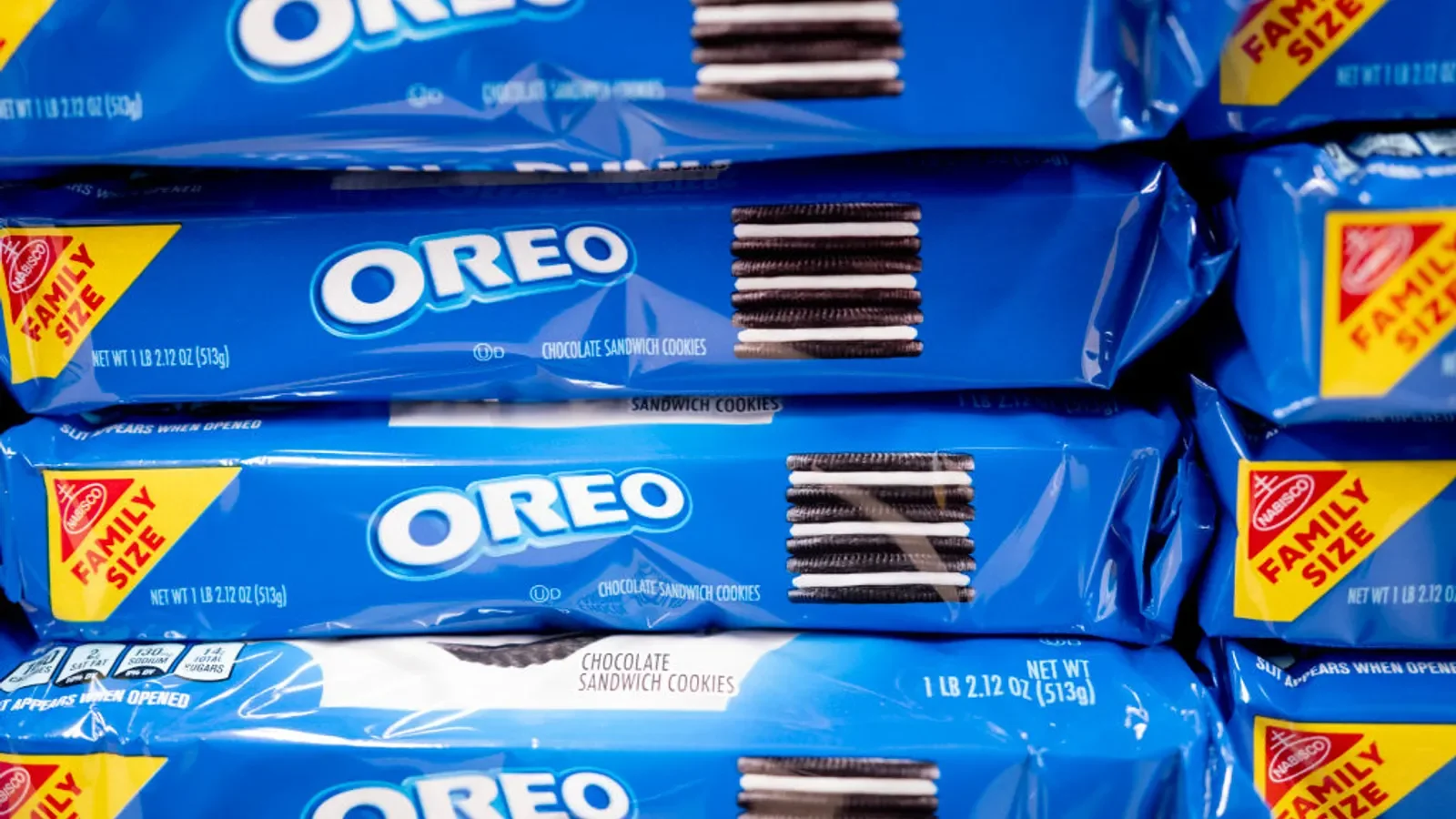
Mondelēz International is gearing up for a significant transformation of its Oreo cookie brand, aiming for a 2027 launch. In 2022, the company reported nearly $5 billion in annual revenue from Oreo, yet top executives feel there's still room for growth. This figure underscores Oreo's established presence, but it also begs the question: how much more can a beloved cookie that’s already the world's best-selling brand expand its market share?
Strategic Changes Ahead
The planned overhaul includes improvements in packaging, pricing structures, and even some reformulated ingredients. Luca Zaramella, Mondelēz’s CFO, noted at a recent Barclays conference that these shifts are designed to enhance the brand's standing in a competitive snacking market. This is more significant than it looks; the packaging changes could play a critical role in sustainability, an area where many brands are now under scrutiny.
“The teams around the world are thinking of activating the full relaunch in 2027 in a way that is going to really make a difference for the brand itself and for Mondelēz,” Zaramella stated. His words reflect a strategic pivot towards reestablishing Oreo not just as a product but as an experience. With increasing consumer demand for healthier and eco-friendly options, this commitment signals Mondelēz’s acknowledgment of market trends while aiming to enhance Oreo's nostalgic value.
Oreo's Market Performance
Launched in 1912, Oreo has been a staple in American households and has transcended cultural boundaries to become the world's best-selling cookie. It contributes significantly to Mondelēz’s annual revenue of around $38 billion. Surprisingly, estimates indicate that approximately 60 billion Oreo cookies are consumed globally each year, with about one-third of those sold in the U.S. This sheer volume illustrates both the cookie's popularity and the brand's enduring appeal. Still, with consumer habits shifting, maintaining dominance is a challenge.
Despite the current economic climate, which has led consumers to reconsider their spending habits, Oreo continues to show resilience. Projections for growth rates this year are rated as “mid-single digits.” The numbers here are underwhelming when considering Oreo's established market position, but they highlight the cookie’s ability to maintain relevance in a crowded snack food sector. Recognizing this, Mondelēz is likely banking on the upcoming changes to accelerate growth in an era where snack choices are increasingly varied.
Continued Innovation and Brand Extensions
In recent years, Mondelēz has actively sought innovative avenues to keep Oreo relevant. The company has introduced limited-time offerings and new flavors, which have proven successful. Recent additions like Oreo Minis, Oreo Thins, and the newly launched Oreo Zero Sugar cater to diverse consumer preferences. However, the effectiveness of these innovations can be a mixed bag. While they attract new customers, the risk remains that too many variations may dilute the original brand's integrity.
Zaramella emphasized the necessity of these initiatives, saying, “We really like all of these,” while also acknowledging areas for improvement in managing these new product lines. This dual approach—celebrating success while recognizing shortcomings—shows a level of openness that’s often absent from large corporate entities. (And this is the part most people overlook.) The balance between innovation and brand legacy can make or break a product, especially in snack foods where nostalgia competes with novelty.
Expansion Beyond Cookies
Mondelēz's innovative direction extends beyond just Oreo. In 2025, the company plans to introduce Chips Ahoy! Baked Bites, reflecting ongoing modern snacking trends and an apparent shift towards more versatile products. Additionally, there’s renewed investment in the Luna Bar brand, aiming to strengthen its position within the $10 billion energy bar market. This strategy could indicate a pivot towards healthier snack options, something increasingly favored by health-conscious consumers today.
If you're working in this space, it’s essential to pay attention to how established brands like Mondelēz are attempting to adapt. This move could suggest greater industry shifts toward healthier alternatives, especially as consumers gravitate towards snacks that align with their wellness goals.
Looking Ahead
With the relaunch of Oreo set for 2027, Mondelēz is positioning itself to take advantage of the brand's legacy while adapting to evolving consumer preferences and market dynamics. As they tread this path, the focus on packaging, pricing, and product reforms shows a calculated effort to maintain Oreo’s status as a leading name in the snack food sector. And yet, the question remains: can such a revamp actually attract new customers without alienating existing fans of the classic cookie? That balance will be critical.
Implications for the Snack Market
The implications of Mondelēz’s strategy extend beyond Oreo. A successful relaunch could set benchmarks for other brands facing similar challenges in a competitive snack market. With consumer tastes rapidly changing, Oreo’s task will not just be about innovation but about reinvigorating brand perception while staying anchored to its roots. For competitors, the evolution of Oreo could serve as a case study in effective brand management and market adaptation. Mondelēz's strategic refresh could just be what the cookie world needs—not only to keep Oreo afloat but to inspire the next wave of snack food innovation.

Discussion
Sign in to join the discussion.