Nestlé's North American performance has raised concerns, with executives calling for improved execution, particularly for creamers and Gerber.
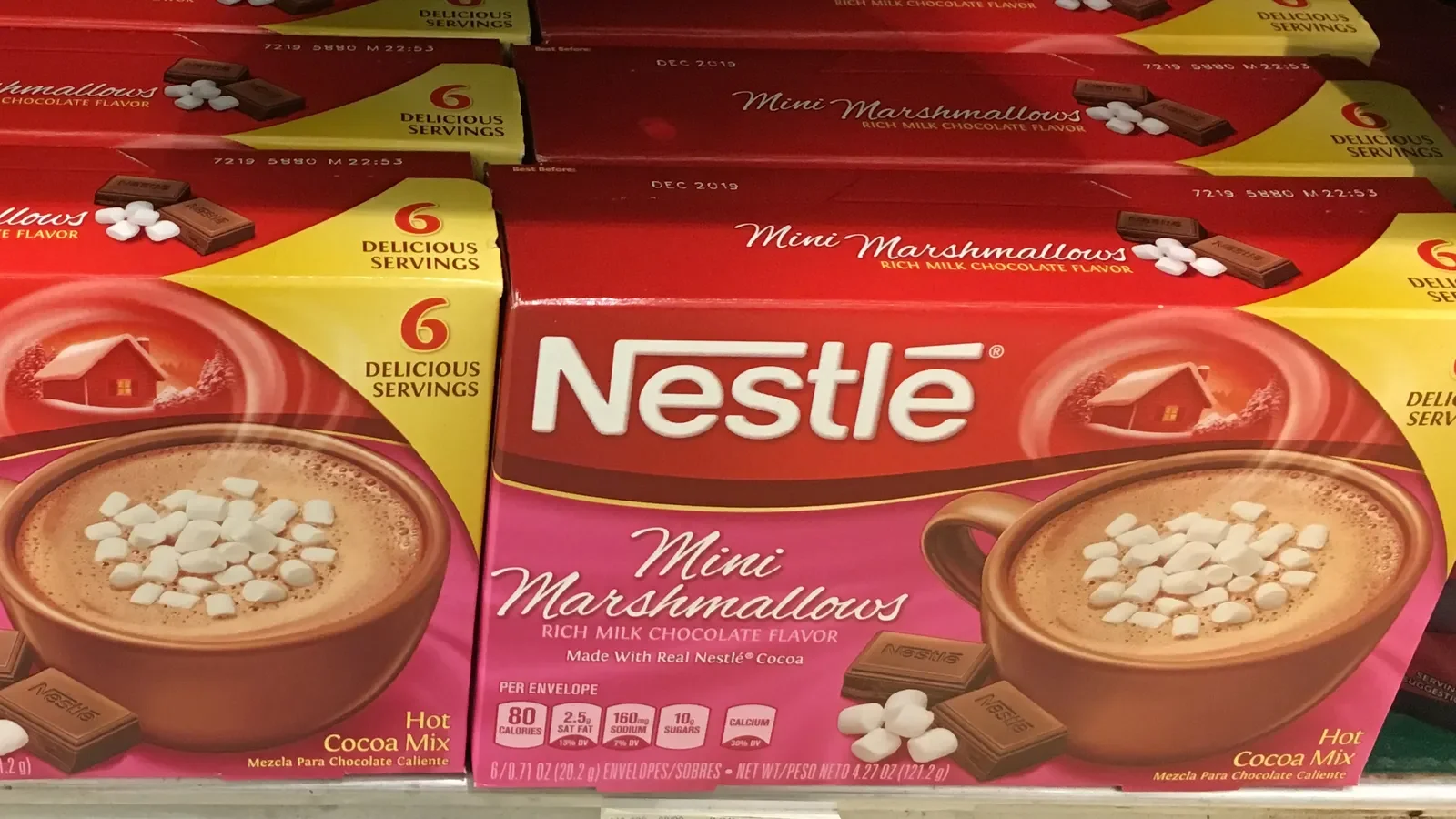
CFO Anna Manz expressed dissatisfaction with Nestlé's North American performance during a recent Barclays conference, stating that “more needs to be done” to enhance execution, especially in the creamers and Gerber brands. This acknowledgment signals potential shifts in strategy as the company grapples with underperformance in these crucial sectors.
Current Market Challenges
Manz pointed out that the creamers sector, including popular products like Coffee mate, has struggled due to production issues, which she described as “annoying” and “unacceptable.” Such candid remarks from a CFO illustrate the seriousness of the situation. Production hiccups are not just operational nuisances; they reflect deeper logistical challenges that can erode consumer trust and market share. Despite these setbacks, Nestlé is taking steps to improve output, suggesting that measures are being implemented to address these operational hurdles. However, one has to wonder if these measures will be enough to restore brand loyalty in a competitive market where consumers have ample alternatives.
Sector-Specific Insights
In addition to creamers, the Gerber brand, renowned for infant and child nutrition, has lagged behind expectations. CEO Philipp Navratil remarked earlier this year that Gerber has been “a drag in terms of market share.” This isn't just corporate jargon—it's a stark admission of the brand's ongoing struggle to find its footing in an increasingly competitive landscape. The baby food sector is evolving, with parents becoming more discerning about nutrition. To address these challenges, Nestlé may be banking on diversification, extending the Gerber line to include pediatric hydration products beyond its traditional meal offerings. This move could reposition Gerber to better align with modern parenting trends, but it remains to be seen whether this pivot can reignite consumer interest.
As for frozen foods, the category is witnessing slower growth trends. However, there appears to be an opportunity within specific niches, such as world cuisines and high-nutrition options that cater to convenience trends. Today's consumers often prioritize not just taste but also health and cultural diversity in their snack and meal choices. This strategy aims to capitalize on consumer demands for both smaller and family-sized packaging, but competing in this space requires not just creativity but also impeccable execution to stand out on crowded supermarket shelves.
Financial Performance Overview
During the company’s second quarter, organic sales growth in the Americas reached 2.8%, amounting to $11.69 billion in sales. It's a modest figure, especially for a giant like Nestlé. Overall, Nestlé's total sales for this period were reported at $26.7 billion, revealing that while the company remains the world's largest packaged food manufacturer, it isn’t immune to the pressures facing the industry. The numbers suggest that despite its size, there's an underlying vulnerability in its expansive operations, which could be indicative of broader trends affecting the market.
Strategic Adjustments
To rejuvenate its offerings and streamline operations, Nestlé has actively trimmed its portfolio, divesting from segments that don’t align with its growth strategy. Recently, the company sold its mainstream vitamins and supplements business and made significant changes in its premium waters and ice cream divisions. These moves reflect a broader commitment to prioritize categories with higher growth potential. This isn't merely a tactical reorganization; it's a signal that Nestlé is looking to shed the dead weight and focus on segments that resonate more with contemporary consumer needs. If you're working in this space, these shifts in strategy could be worth monitoring closely, as they might inspire similar moves across the industry.
Implications and Future Outlook
The proactive approach from Nestlé's leadership indicates an awareness of the shifting dynamics in consumer preferences, but how effective will these strategies be in the long run? The pressure’s on to revive underperforming areas without alienating the loyal consumer base that has sustained those brands for years. Nestlé is betting on diversification and targeted offerings, but placing significant emphasis on the operational execution will be essential. More importantly, it's not just about riding the latest trends; Nestlé will need to build solid value propositions that consistently attract and retain customers—many of whom are increasingly seeking premium, health-oriented products.
That said, the stakes couldn't be higher. The shadows of brand erosion loom large, and small companies nibbling at Nestlé’s market share won’t be easily brushed aside. The company's future will depend on its ability to address current missteps while effectively communicating value to consumers who are more savvy about their food choices than ever before. And this is the part most people overlook: in an age where transparency and authenticity reign supreme, brands that falter risk losing trust irreversibly.
In sum, while Nestlé's North American operations face headwinds, the company is adapting with strategic adjustments aimed at both turning around underperforming products and capitalizing on emerging consumer trends. Yet, whether these efforts will be enough to pull the company back to its previous performance levels remains to be seen.


Discussion
Sign in to join the discussion.