Danone will specify that its 100% recycled plastic claims cover bottle bodies only, following similar commitments from Nestlé and Coca-Cola.
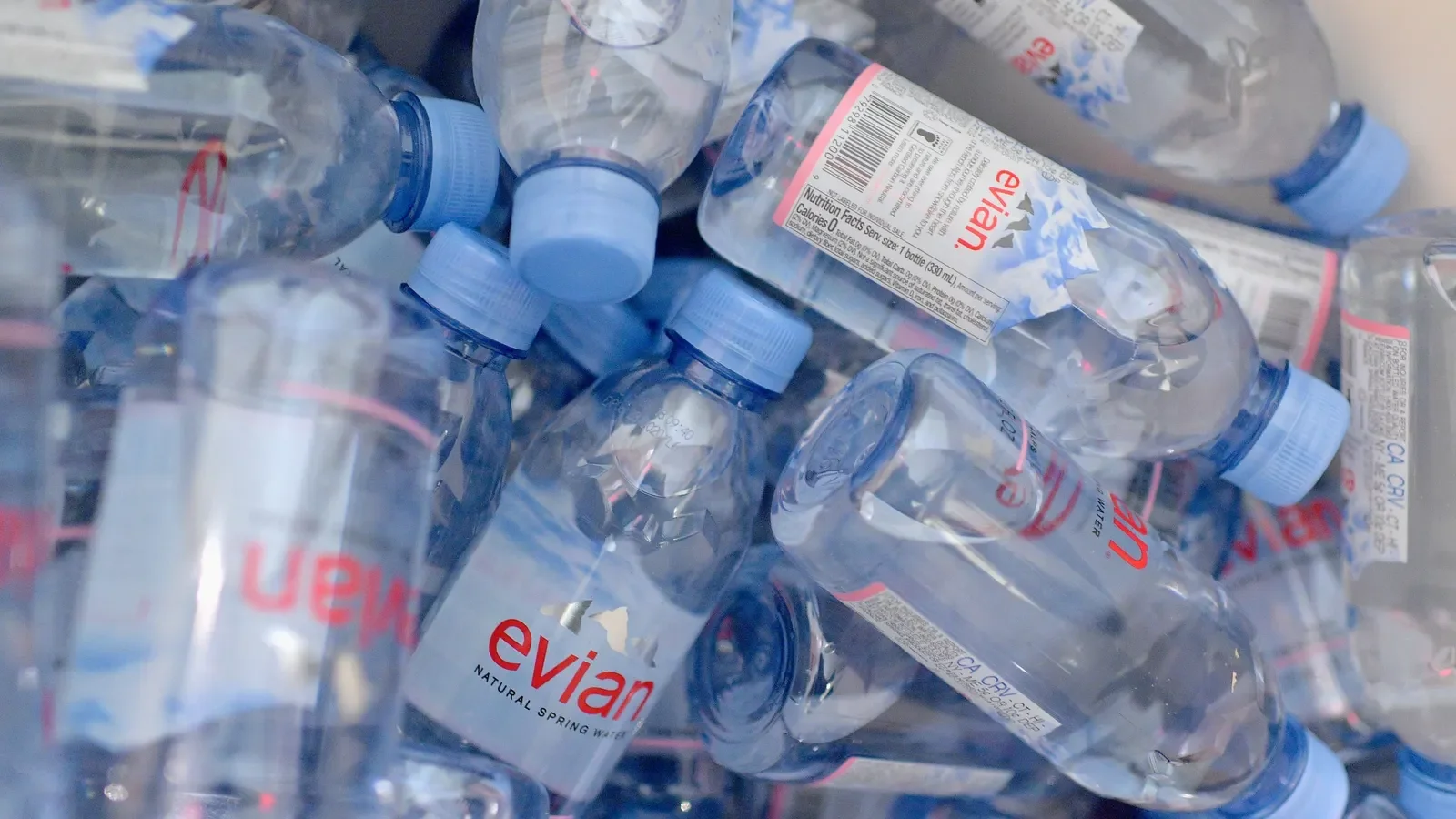
Danone’s decision closes a three-company push to clarify recycling claims on bottled water packaging, after consumer groups challenged how the companies described their products. The company says it will identify which parts of its bottles contain 100% recycled plastic and avoid marketing that could mislead consumers about the environmental benefits of plastic packaging. That distinction sounds narrow, but it speaks to a broader problem in product marketing: a claim about one component can shape how people understand the entire package. The wording on a label matters because shoppers usually encounter the claim before they can assess what it covers.
Claims will distinguish bottle bodies from caps and labels
Danone has agreed to state that its 100% recycled plastic claims apply to the bottle body, excluding the cap and label. It also committed to avoiding imagery or wording that could suggest plastic bottles are part of a closed recycling loop, according to the European Consumer Organization (BEUC). Those commitments address two different sources of confusion: what material a claim refers to, and what happens to that material after use. A bottle can contain recycled plastic without every part being made from it, and recycled content alone doesn't establish that the bottle will be recycled again.
BEUC and consumer groups in 13 countries filed a complaint with EU authorities in November 2023 against Danone, Nestlé and Coca-Cola. They alleged that the companies’ commercial claims about plastic water bottle recyclability misled consumers. BEUC said at the time that the claims did “not comply with the EU rules on unfair commercial practices.” The complaint put the focus on how ordinary shoppers might interpret broad environmental messages, rather than on the technical detail of a single material component. A label can be literally limited in scope yet still leave a wider impression if its wording or design suggests that the whole package is environmentally preferable.
Danone follows earlier changes by competitors
Coca-Cola said last year it would revise labels on some products to clarify which portion of a bottle was made from 100% recycled plastic. The company also pledged to stop using green imagery, including a closed-loop recycling symbol that BEUC said could imply environmental neutrality. The changes point to a practical challenge for packaging claims: images can communicate as strongly as words, and may suggest a benefit broader than the specific fact printed beside them. Removing or changing an image may therefore matter alongside clarifying a sentence on the label.
Nestlé committed to updating its water bottle recycling claims in March. The European Commission later said it had concluded its dialogue with Coca-Cola in June 2025 and with Nestlé in February 2026. Danone is the last of the three companies named in the original complaint to make a commitment on its claims. Taken together, the sequence shows how a complaint involving several brands can lead to separate company commitments over time. The stated commitments concern the presentation of claims; the source doesn't establish how consumers have responded or how consistently revised packaging has reached stores.
Consumer groups call for clearer environmental messaging
Danone, the world’s second-largest producer of packaged water, owns brands including Evian, Volvic and Aqua. BEUC Director General Agustín Reyna said in an Oct. 22 release that presenting a bottle as “100% recycled or recyclable” is misleading, and criticized green imagery that suggests plastic drink bottles have no environmental impact. His criticism draws a line between a material claim and a broad environmental impression. Saying that packaging contains recycled material describes an input; it doesn't, by itself, describe the package’s full life cycle or what happens after disposal.
The commitments put the focus on a basic distinction: recycled content in one part of a package doesn't describe the whole bottle or guarantee a closed recycling loop. For companies selling bottled water, clearer claims will depend on stating exactly what the label covers. That may sound like a modest change in wording. This is more significant than it looks, because packaging is where companies make environmental claims most visible and where consumers have little time to examine qualifications.
What clearer claims can—and can’t—tell consumers
Specific wording can help people distinguish between recycled content, recyclability and the broader environmental impact of a product. Those concepts are related, but they aren't interchangeable: a package may contain recycled material without every component sharing that content, while a claim about recyclability doesn't guarantee that a particular bottle will be collected and processed. Similar packaging claims often compress these distinctions into a few words or a symbol. That compression is convenient for marketing, but it can leave shoppers with a stronger impression than the underlying claim supports.
And yet, clearer labels won't answer every question about plastic packaging. They can tell consumers what a company says about the bottle body, cap or label, but the commitments described here don't establish the environmental impact of producing, transporting or disposing of each product. (And this is the part most people overlook.) Precision is useful, but it has limits. The packaging still needs to communicate those limits plainly enough that a narrow claim isn't mistaken for a complete account.
If you're working in this space, the practical lesson is that environmental messaging has to be checked as a whole: words, symbols and the component each claim describes. A small qualification can narrow a statement, while prominent imagery may continue to imply something broader. Consumers shouldn't have to reconcile those signals on their own. The test will be whether the revised claims make the distinction clear at a glance. No ambiguity.
Discussion
Sign in to join the discussion.