Food producers announced 29,693 job cuts through September, up 76% year over year, as major brands close plants and reshape operations.
Food producers announced 29,693 job cuts through September 2026, a 76% increase from the 16,835 cuts reported over the same period last year. That jump points to mounting pressure on manufacturers as consumer spending weakens and eating habits shift. The total captures announced reductions, not necessarily jobs already eliminated, but it offers a clear measure of how widely companies are reassessing their operations.
Closures drove a sharp rise in late summer
Food companies accounted for much of the job-cut activity in August and September, according to outplacement firm Challenger, Gray & Christmas. Producers announced 7,982 cuts in August, with many tied to Tyson Foods’ decision to close three facilities. September brought another 7,326 cuts. Taken together, the two months show how decisions about individual plants can quickly add up across a sector, even when each company’s reasons differ.
The trend has continued into October, with Nestlé, Guinness and PepsiCo among the companies announcing facility closures or layoffs. Their decisions reflect a broader push to simplify operations and direct resources toward areas companies see as better positioned for growth. That language can cover several kinds of change, from moving production between sites to reducing staffing or ending manufacturing at a location. The announcements point to a common management response: reconsidering which facilities fit current production needs.
Here’s the thing: a plant closure is both a cost decision and a bet about where future production should sit. Shifting work elsewhere may help a company align capacity with demand, but it can also concentrate more activity in fewer facilities. For workers and communities tied to a plant, the immediate effect is much clearer than the longer-term business rationale.
Plant networks and costs are under review
-
Nestlé to close Ohio factory by end of 2027
Nestlé plans to shift production to South Carolina, describing the move as “the most sustainable path forward” as consumer demand and production volumes change. That explanation links the closure to both the level of demand and the amount of output the company expects its network to handle. Read the full article ➔
-
PepsiCo shutters Tennessee bottling plant amid soda slump
The closure follows a cost-reduction plan from PepsiCo’s CEO aimed at addressing slowing growth. A bottling site is part of the chain that brings beverages to market, so ending operations there signals a change in how the company wants to organize production. The announcement ties that choice to the company’s wider effort to reduce costs. Read the full article ➔
-
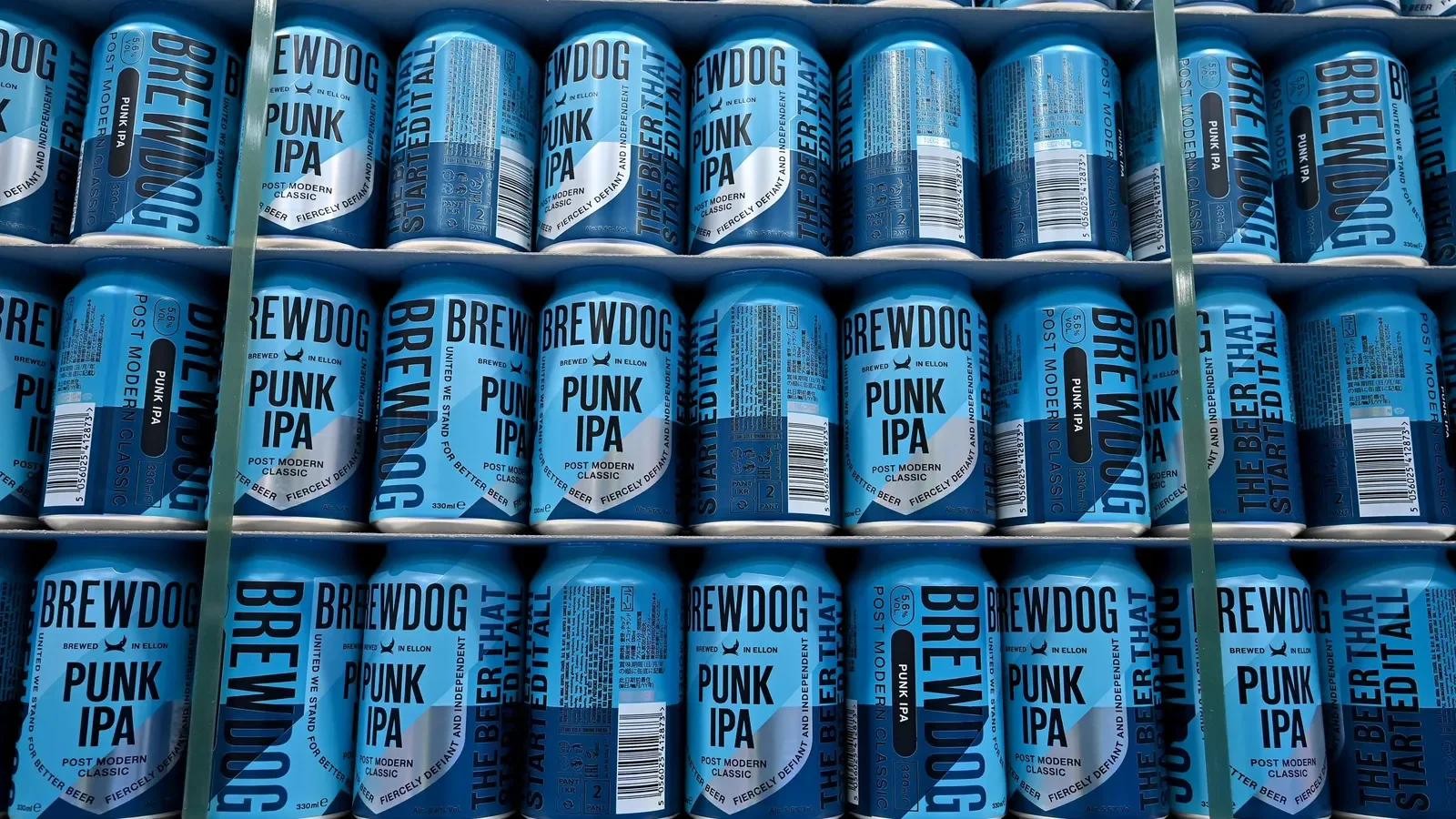
Diageo to shutter Guinness brewery in Baltimore
Diageo’s brewery closure comes amid a $1 billion savings program and a wider restructuring of the company. The brewery decision is therefore part of a broader corporate effort, rather than a change described solely in terms of one facility. Savings plans can put sites, staffing and production arrangements under review at the same time. Read the full article ➔
-
Amy’s Kitchen to shutter California frozen food plant
Amy’s Kitchen expects to eliminate about 260 jobs as it consolidates manufacturing amid challenges across the frozen food category. Consolidation makes the company’s manufacturing footprint part of the response to those category pressures. The job figure also shows how a facility decision can translate directly into a substantial workforce impact at a local site. Read the full article ➔
-
PepsiCo to end manufacturing operations at Maryland bottling plant
The company said shifting consumer preferences and technology informed the decision, which will affect 143 workers. Those factors suggest the company is considering how changes in demand and production methods fit its existing facilities. The announcement doesn’t by itself explain where the work will go, but it adds another bottling operation to the list of sites under review. Read the full article ➔
-
Sapporo USA to close craft brewing facilities following sale
After selling Stone Brewing earlier this year, Sapporo USA is moving brewing operations out of California and plans to cut 220 jobs. The sequence connects a sale with a subsequent decision about where brewing will take place. For workers, the shift means the ownership change is accompanied by a separate operational consequence: jobs tied to the California facilities are set to go. Read the full article ➔
-
Campbell’s slashes 13% of salaried workforce as part of $500M cost-cutting plan
Campbell’s plans to close two snack plants alongside cuts to 13% of its salaried workforce. CEO Mick Beekhuizen called for “decisive action” as the company pursues $500 million in savings. The plan combines workforce reductions with changes to the production footprint, showing that the company’s savings effort reaches beyond staffing alone. Read the full article ➔
-
Tyson to close more beef plants amid cattle shortage
Tyson plans to sell or shut three facilities and lay off at least 2,500 workers as it contends with heavy losses and a cattle shortage. In this case, the company’s stated pressures include both its financial performance and access to cattle, tying plant decisions to conditions on the supply side as well as costs. The scale of the planned layoffs makes this one of the more consequential examples in the current wave. Read the full article ➔
What the cuts may signal
Across meat, packaged food, beverages and brewing, the industry’s restructuring is reaching across production networks. The details vary: some announcements cite changing demand or production volumes, others point to costs, technology, supply constraints or wider corporate savings plans. That range matters. A single explanation won’t account for every closure, and the announcements don’t establish that all producers face the same problem.
Still, the pattern is more significant than it looks. Companies are making decisions about which sites they want to keep operating while consumer demand and production needs shift. If you're working in this space, the distinction between a temporary cost push and a lasting redesign of a manufacturing network is the one to watch. (And this is the part most people overlook: moving production can change where a company bears its operating burden, even when the products themselves remain familiar.)
The next signal to watch is whether facility changes and cost plans stabilize operations as consumer demand continues to shift. Announced cuts show that companies are acting; they don’t yet show whether those actions will deliver the savings or operational fit their leaders seek. That said, the breadth of the announcements makes clear that producers are reexamining how much capacity they need and where to place it. For workers and local economies, the consequences are immediate. For the industry, the result is still unfolding.
Not a settled story.
Discussion
Sign in to join the discussion.