Candy prices climbed more than 15% in 2026 as ingredient costs surged, pushing brands to rethink Halloween products and offer salty snack packs.
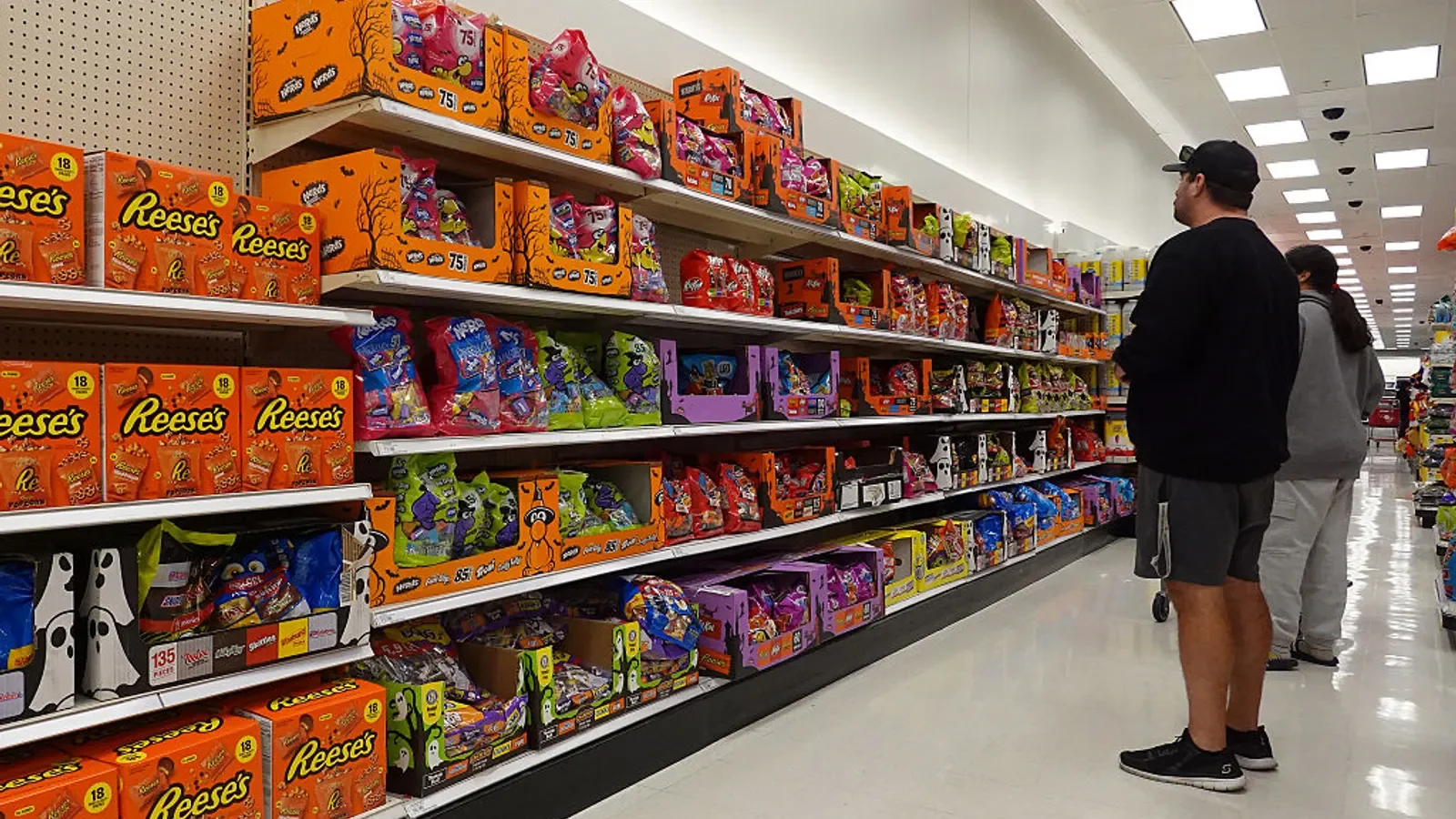
Confectionery companies are expanding Halloween assortments as steep ingredient inflation raises candy prices and puts holiday demand at risk. Hershey and PepsiCo are adding salty snacks to trick-or-treating options, a sign that manufacturers are looking beyond discounts to keep their brands relevant. The shift also reflects a practical problem: when familiar treats cost more, shoppers may change what they buy, how much they buy, or whether they buy candy at all.
Costs are squeezing holiday demand
Halloween candy prices rose more than 15% in 2026, about four times the rate of overall inflation, according to an analysis by Groundwork Collaborative and the Century Foundation. A LendingTree survey found that 35% of holiday shoppers plan to skip candy this year. Those figures point to pressure on a seasonal business that depends on shoppers buying treats in advance and in quantities suited to handing out.
The pressure starts with ingredients. Cocoa beans, sugar and corn syrup account for about 65% of confectionery industry ingredient costs, according to the Bureau of Labor Statistics. When those inputs become more expensive, manufacturers have limited room to absorb the increase indefinitely. Supply disruptions have pushed costs higher, while broader inflation has made shoppers more cautious about spending.
Consumers are spending less on candy
Extreme weather in West African cacao-growing regions drove shortages and sent prices to records. From December 2019 to November 2024, U.S. prices for cacao-based products rose about 144%, BLS data show. That increase helps explain why chocolate makers are under pressure to rethink both what goes into their products and how those products are priced.
Sugar faced its own supply strain. Drought reduced output in Mexico, the largest source of U.S. raw and refined sugar imports. Over the same period, sugar manufacturing prices rose nearly 44%, while corn sweetener prices increased more than 26%, according to the BLS. These are separate cost pressures, but they can converge in the same product: many sweets depend on both cocoa and sweeteners, leaving manufacturers exposed to more than one rising input at a time.
Price increases reach shoppers
Brands have passed some of the added expense on to consumers. Groundwork’s analysis found that Mondelēz sour gummy variety packs cost 39% more in 2026 than in 2025. Seasonal Reese’s from Hershey rose by more than 23%. These product examples show how increases can vary by brand and item; they don’t establish that every candy has risen by the same amount.
Consumer candy prices rise as manufacturing costs mount
Some manufacturers are also adjusting recipes to reduce reliance on costly cacao. Fillings and wafers can lower the chocolate content while adding texture, an approach Mondelēz has explored. Recipe changes give companies another way to manage ingredient costs, but they also raise a familiar product question: will shoppers accept a different balance of chocolate and other ingredients in a treat they already know?
That tradeoff matters especially during a holiday built around recognizable brands and familiar formats. A lower price may help protect a purchase, but a product that feels different can weaken the appeal that made it a seasonal staple. The numbers here are underwhelming for shoppers, and the response from manufacturers will be judged at the shelf, where price and taste meet.
Salty snacks join the Halloween mix
Hershey has broadened its seasonal range beyond candy for the first time, introducing fun-sized packs of Pirates Booty and Skinny Pop. PepsiCo’s Frito-Lay has also entered the trick-or-treat mix with Fright Night, a variety pack of Doritos and Cheetos. Its NKD line adds fun-sized snacks without artificial dyes or flavors. These launches put snacks alongside candy as options for the same holiday occasion, giving shoppers a different kind of treat to consider.
The move gives manufacturers another way to compete for holiday spending as candy prices climb. It may also help companies reach households looking for variety, though the article’s evidence doesn’t establish how many shoppers will switch from candy to salty snacks. (And this is the part most people overlook.) A broader assortment can defend a brand’s place in the holiday aisle, but it can’t by itself resolve the affordability problem that’s driving consumers to reconsider candy.
Hershey CEO Kirk Tanner said at a Barclays conference in September that brands need strong ideas and relevance to win shoppers in an inflationary period. “It's not about price discount and buy one, get one free,” Tanner said. “You have to win consumers over with the best ideas and core brand relevance.” That argument puts the emphasis on what companies can offer beyond a lower sticker price. Whether new formats are enough will depend on how shoppers respond to both the products and their cost.
What the shift could mean for Halloween
For manufacturers, the seasonal expansion is a bid to keep consumer attention while ingredient costs and household budgets are under pressure. It also broadens the definition of what belongs in a trick-or-treat bag. If you're working in this space, the key question is whether snacks add new demand or mainly divide spending among more products. The available figures show pressure on candy purchases; they don’t yet answer that question about the new assortments.
For shoppers, the change could mean more choice, but choice isn’t the same as relief from higher prices. And yet. If familiar candy keeps getting more expensive, products with different ingredients or formats may become more appealing to some households, even as others cut back.
The Halloween aisle is becoming a test of how far established confectionery brands can stretch their appeal beyond chocolate and sweets. More options may help them stay present in the holiday routine. A harder test is whether those options feel worth the price.
Discussion
Sign in to join the discussion.