Unofficial In-N-Out delivery services can cost up to $50, with limited buyer protections and food that may lose its appeal in transit.
Convenience comes with uncertainty
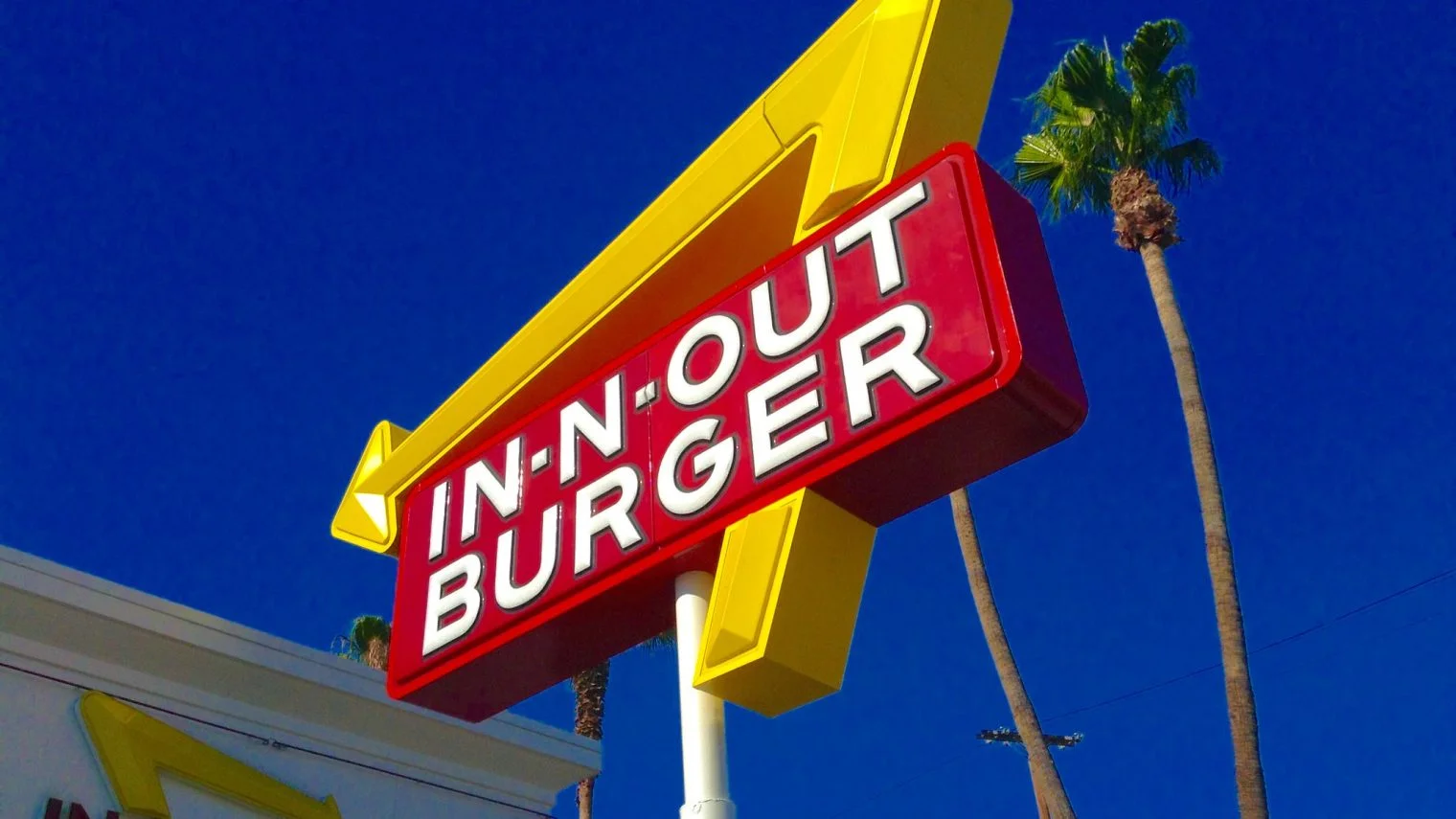
In-N-Out’s unofficial delivery market addresses a familiar frustration: long drive-thru lines. Customers who don’t want to wait can pay someone else to place an order and bring it to them. But the arrangement adds uncertainty at both ends. Some sellers on Facebook Marketplace reportedly charge as much as $50 for an order and delivery, and paying that premium doesn’t guarantee either a completed delivery or food that arrives in good condition.
These transactions take place outside the chain’s official channels, according to L.A. Material. Some drivers ask customers to pay in advance, and buyers have reportedly paid for orders that never showed up. Facebook Marketplace offers limited customer protection, while sellers aren’t subject to stringent verification.
That combination shifts the burden onto the customer. A buyer has to decide whether to trust the seller, how to pay, and what to do if the order doesn’t arrive. Those are ordinary questions in person-to-person commerce, but they carry more weight when the customer is paying in advance for a meal that’s being prepared somewhere else.
Freshness is the bigger tradeoff
Even when a delivery arrives, it may not deliver the experience customers expect. In-N-Out has chosen not to offer delivery partly because the company sees in-person service and fresh food as central to its appeal. Owner and president Lynsi Snyder-Ellingson explained the reasoning in an interview at Pepperdine University:
“The main reason is part of what makes In-N-Out and the experience so special is the interaction and the customer service that we’re able to give, the smile, the greeting. Just that warmth and feeling of the culture. And so, the mobile ordering will definitely take a piece of that away, and there’s also the freshness factor.”
The chain’s fresh, never-frozen ingredients and made-to-order beef patties help define the experience. But the same emphasis on food made to order creates a timing problem once a meal leaves the restaurant. Burgers, fries and shakes can lose their appeal during a delivery trip, and food that’s satisfying at the counter may be less so after sitting in a car or waiting for a handoff. There’s no guarantee that the unofficial seller’s route will match the customer’s expectations for speed.
A Reddit thread with more than 100 comments illustrates how subjective that window can be. One fan wrote that a Double-Double, fries and drink are best eaten within 10 minutes, and described the food as “barely edible” 20 minutes after preparation. That’s one customer’s judgment, not a universal measure of how quickly an order declines. Still, it points to the core tension: freshness is part of the appeal, and delivery adds time between preparation and the first bite.
The unofficial service has limits
Here’s the thing: an informal delivery market can make a restaurant accessible to people who would rather avoid the line, but it can’t promise the protections or consistency customers may expect from an established delivery channel. Buyers are relying on an individual seller, and the source reports both advance-payment requests and orders that didn’t arrive. The food’s condition adds another variable even when the transaction goes as planned.
(And this is the part most people overlook.) The price isn’t only the fee. Customers also risk losing time, money, or the quality they were hoping to buy. A fast handoff might make the arrangement worthwhile for someone who can’t easily reach the restaurant; a delayed one can leave them with a costly meal that’s already past its best.
This is more significant than it looks: the appeal of unofficial delivery depends on two promises the seller may not be able to control—reliable service and food arriving fresh. The first depends on the person taking the order. The second depends on timing and the practicalities of transport, details the source doesn’t specify.
What the tradeoff means for customers
In-N-Out’s position also helps explain why customer demand for convenience doesn’t automatically translate into a good delivery experience. The company’s stated concerns are personal service and freshness, not simply the mechanics of taking an order. A delivery arrangement can remove the drive-thru wait, yet it also removes the direct interaction Snyder-Ellingson describes and puts distance between the kitchen and the customer.
If you’re working in this space, the lesson is that convenience has to be judged alongside what the product is designed to offer. For a made-to-order meal, the handoff isn’t a minor detail; it affects how the food is experienced. The numbers here are underwhelming for anyone expecting a premium to buy certainty. The drive-thru line may be frustrating, but it’s a known part of the transaction.
That said, some customers may still prefer the gamble to making the trip themselves. The choice comes down to whether avoiding the wait matters more than the added cost, the risk of a seller who may not deliver, and the possibility that the food won’t taste as intended. A simpler calculation. Freshness, trust, and time all matter, and unofficial delivery asks customers to accept uncertainty on each front.
Discussion
Sign in to join the discussion.