Kikkoman's latest $560 million plant in Wisconsin aims to meet rising demand for Asian flavors in North America, enhancing their production capabilities.
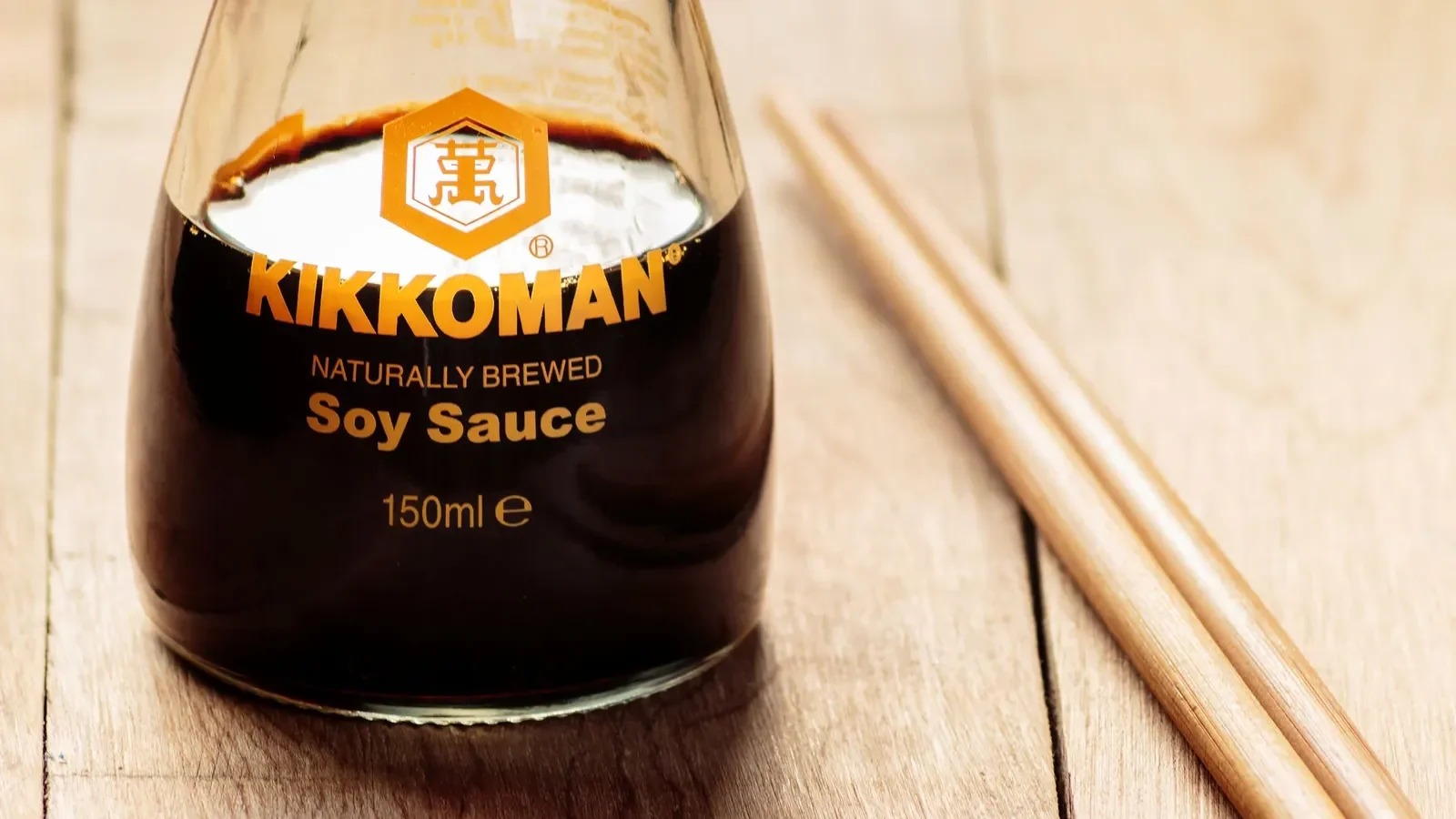
The demand for Asian flavors in North America is experiencing a significant upsurge, prompting Kikkoman to invest heavily in expanding its production capabilities. The Japanese soy sauce manufacturer has inaugurated its third U.S. facility, a substantial 240,000-square-foot plant situated in Jefferson, Wisconsin. This facility is set to start distributing products this fall, reinforcing Kikkoman's commitment to serving a growing consumer base.
Details of the New Facility
This new plant represents an investment of approximately $560 million over the last decade, aimed at increasing production capacity for various Kikkoman products. Beyond soy sauce, the facility will also produce teriyaki sauce and an array of other seasoning products catering to retail, foodservice, and food manufacturing sectors. Such a facility doesn’t just increase output; it also minimizes transportation costs and carbon footprints by sourcing ingredients closer to key markets.
(And this is the part most people overlook): the Jefferson plant isn't just about expansion; it embodies a strategic shift in Kikkoman's operational philosophy. By localizing production, Kikkoman can respond more swiftly to market changes, adapt products to regional tastes, and improve supply chain efficiencies—all essential in today’s competitive food industry.
Market Position and Growth
Kikkoman's soy sauce sales in North America have been rising steadily, averaging over 6% annually for the past ten years. This growth trajectory has positioned Kikkoman as a dominant player in the U.S. soy sauce market. The new Jefferson facility plays a fundamental role in enabling the company to better meet increasing demand for Asian culinary offerings across the region. Such consistent growth suggests that Kikkoman has successfully tapped into a larger trend, one that sees Asian cuisine rapidly gaining mainstream acceptance among American consumers.
Yuzaburo Mogi, the company’s chairman and honorary CEO, encapsulated the company’s forward-thinking strategy: “As global culinary influences continue to shape what people want on their tables, this facility also strengthens our ability to meet that evolving demand.” His statement reflects a broader recognition that consumer tastes are shifting toward authentic and diverse flavor profiles, especially from Asian cultures. The strategic investment in local facilities like the one in Jefferson underscores Kikkoman's intent to not only fulfill market demand but also to set itself up as a culinary leader in this niche.
Trends in Consumer Preferences
There's a noticeable trend among U.S. consumers, particularly younger demographics, gravitating towards global flavors. A report from Datassential in 2025 highlighted that Asian food trends are reshaping the retail landscape, with certain ingredients becoming staples in modern pantries. Younger consumers are often more adventurous eaters; they look for authentic experiences in their meals. The desire for convenience without sacrificing flavor is driving this demand. Simply put, people want easy access to quality products that reflect their evolving palates.
This shift is reflected in other market activities, such as The Marzetti Company acquiring a Japanese barbecue sauce brand—an action that underscores the growing confidence in this segment. It’s a clear indication that established companies see potential for high returns in Asian flavors, affirming Kikkoman's timing with its investments. If you're working in this space, such movements signal a more significant shift in consumer preferences than many may realize, opening up pathways for new product innovations and brand partnerships.
Location and Expansion
Kikkoman's new facility at the Food & Beverage Innovation Campus enhances their operational framework alongside other notable brands like V&V Supremo and Onego Bio. This community of brands allows for synergies in supply chain logistics and operational efficiencies. The company has been establishing its manufacturing footprint in the U.S. since 1973, with existing plants located in Walworth, Wisconsin, and Folsom, California. This historical context underscores a long-term commitment to the American market, showcasing Kikkoman's strategic foresight.
This strategic expansion through the new Jefferson facility illustrates Kikkoman's proactive approach to capitalize on the burgeoning interest in Asian cuisine, enhancing their ability to provide consumers with quality products from local facilities. By situating itself alongside other food innovators, Kikkoman not only reinforces its brand visibility but also enriches the local food ecosystem, providing new jobs and fostering innovation within the community.
Future Outlook: Implications and Significance
As we look ahead, Kikkoman's investments underscore a significant shift in the food industry that could resonate well beyond just the soy sauce sector. This commitment to production capabilities suggests that the company expects sustained growth in Asian cuisine popularity, particularly among younger generations eager to explore diverse culinary traditions.
Moreover, this aligns with broader market trends where ethnic food products are no longer niche; they are becoming mainstream. Consumers are more informed than ever about global flavors, thanks in part to social media and food influencers who celebrate diverse cuisines. Kikkoman's strategic positioning reflects an understanding that to remain relevant, brands must evolve with consumer preferences.
In summary, as Kikkoman ramps up production at its new plant, it is well-poised to not only meet current consumer demand but also to shape the future of Asian culinary offerings in North America. As such, competitors must take note and possibly adapt their strategies accordingly. What this means for consumers is greater access to authentic Asian flavors, which could fundamentally alter eating habits and choices in the years to come.
Discussion
Sign in to join the discussion.