Kirk Jensen joins Good Culture as COO, aimed at optimizing the supply chain and production processes while maintaining product quality.
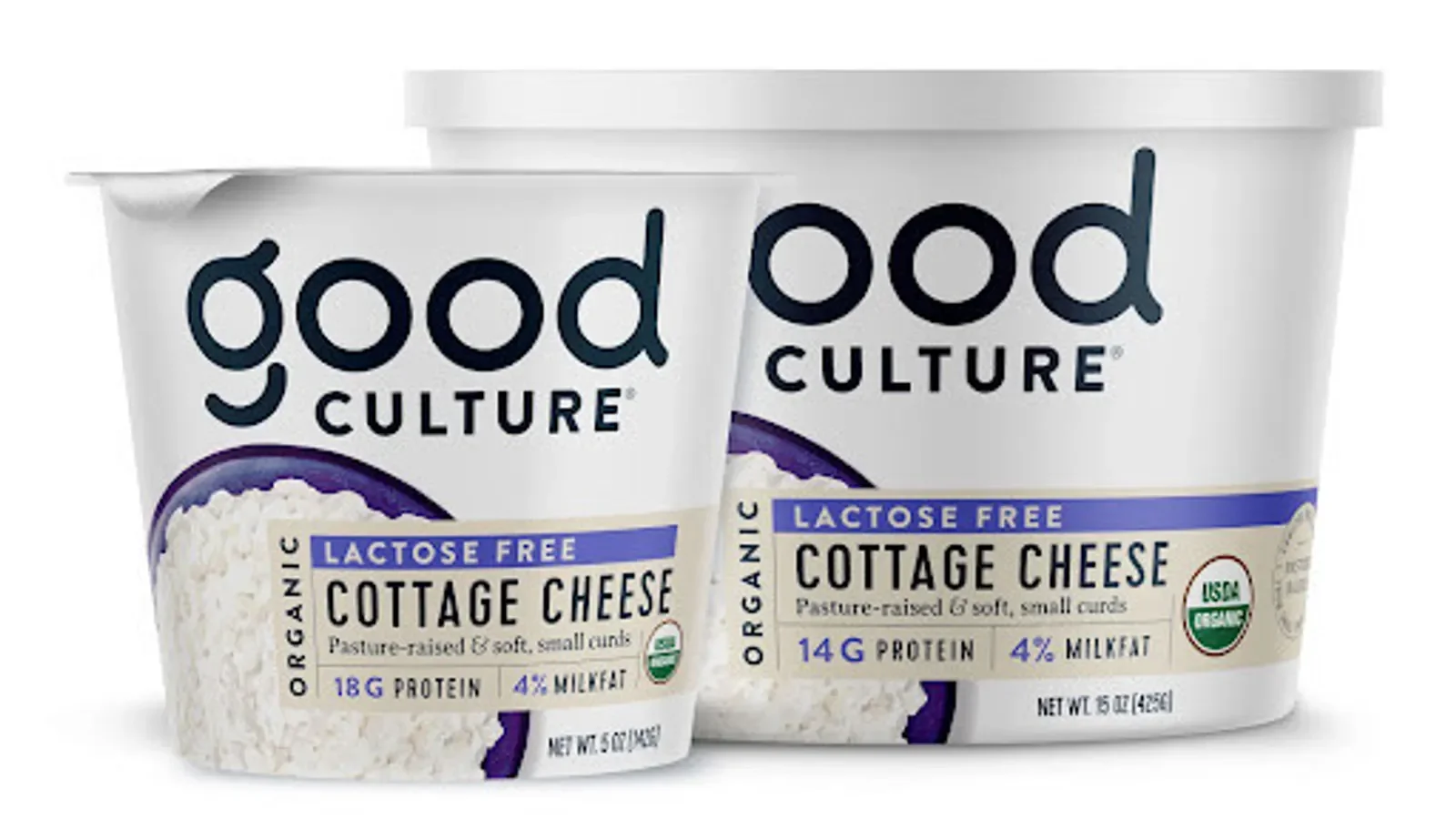
Good Culture has appointed Kirk Jensen as its chief operating officer, tasked with streamlining supply chain operations, manufacturing, procurement, and logistics, as the brand gears up for its next growth phase. This strategic move, announced in a recent press release, aligns with the company's goals to enhance product availability and accelerate time-to-shelf for retail partners, according to CEO Jesse Merrill.
The Shift in Leadership at Good Culture
Jensen comes to Good Culture following a successful tenure as COO at The Honest Kitchen, where he honed his skills in operational efficiency and leadership. With over 20 years of experience in operational leadership within the packaged foods industry, Jensen's past roles indicate he may be just the right fit for Good Culture’s ambitious expansion goals. Merrill emphasized Jensen's critical role in upholding Good Culture's commitment to quality, stating that he aims to maintain the recipes and standards that consumers trust while scaling operations effectively. This balance between quality and efficiency can often be a tricky tightrope to walk in food production.
Kirk Jensen’s appointment also reflects a significant organizational shift within Good Culture. Prior to his arrival, Didier Aziza managed both COO and CFO responsibilities, which can be overwhelming in a growing company. By adding a dedicated COO to the mix, Good Culture not only acknowledges the complexity of its operations but also signals a desire for more specialized leadership. This adjustment is crucial as the company aims to enhance its logistics and manufacturing capabilities while responding swiftly to market demands. It also aligns with industry trends, where specialized roles increasingly take precedence as companies scale up.
The New Strategic Initiatives
In addition to this leadership upgrade, Good Culture is also establishing a director of logistics position to optimize its distribution network. This is essential as the company scales its operations, particularly in the fast-moving dairy segment, where timing is everything. Logistics efficiency directly impacts product freshness and availability on shelves—two key factors that can determine a brand's success. A well-structured logistics strategy is indispensable in not just meeting current demand but also anticipating future growth.
Jensen’s prior experiences substantiate his capability to tackle these challenges. He spent nearly six years at Sovos Brands, where he been pivotal in the success of Rao's spaghetti sauce, which reached $1 billion in net sales before its acquisition by Campbell Soup Company in 2024. This success story isn’t merely about numbers; it highlights Jensen's acumen in navigating the complexities of the packaged food landscape—particularly the refrigerated segment. His extensive network and understanding of intricate supply chains make him an ideal fit for Good Culture, especially as the company seeks to bolster its operational framework in a competitive environment.
Financial Backing and Growth Projections
Moreover, Jensen expressed that the company's growth trajectory offers a compelling opportunity for him, reflecting the enthusiasm surrounding his new role. This is particularly relevant considering the recent acquisition by private equity firm L Catterton, which acquired a majority stake in Good Culture earlier this year. Acquisitions like this typically bring in not just capital but also strategic insight. L Catterton's operational expertise could be invaluable as Good Culture charts its path forward.
To further cement its growth ambitions, Good Culture secured an additional $55 million from Semcap Food & Nutrition. This funding underscores the ambition to further advance Good Culture's growth strategy, as evidenced by ongoing expansion plans. While investment can be a reliable indicator of confidence in a company’s future, the execution of strategies is where many establish their true trajectories.
The financial backing combined with Jensen’s operational role positions Good Culture favorably, but this also heats up the competitive landscape in the refrigerated foods market, which is seeing its own share of consolidation and innovation.
Implications for Good Culture and the Industry
The expansion of Good Culture under the guidance of Kirk Jensen may have broader implications for the industry. As consumer preferences shift towards healthier and more transparent food options, brands need to not only maintain quality but also manage costs effectively. That's a tall order given the complexities of supply chains today, especially as inflation pressures continue to impact raw material costs and distribution networks.
If you're working in this space, you should pay attention to how Good Culture navigates these waters. Success or failure here could provide valuable lessons on the importance of effective leadership roles and the execution of growth strategies. The brand's commitment to quality products alongside the operational overhaul is optimistic. Still, it raises questions: Will Jensen’s insights actually translate to tangible results? Or will Good Culture struggle under the same pressures that many brands face?
This is more significant than it looks. The dairy sector has been witnessing a surge in consumer interest, and brands that fail to align quality with operational efficiency risk getting left behind. In the end, whether under Jensen's leadership or not, the outcomes will need to meet consumer expectations to sustain and grow market share, adding another layer of pressure in a rapidly evolving industry.
Discussion
Sign in to join the discussion.