Eleni Kechri advances Retsina production by researching the unique terroirs of pine forests, enhancing wine quality through sustainable resin collection.
About Eleni Kechri
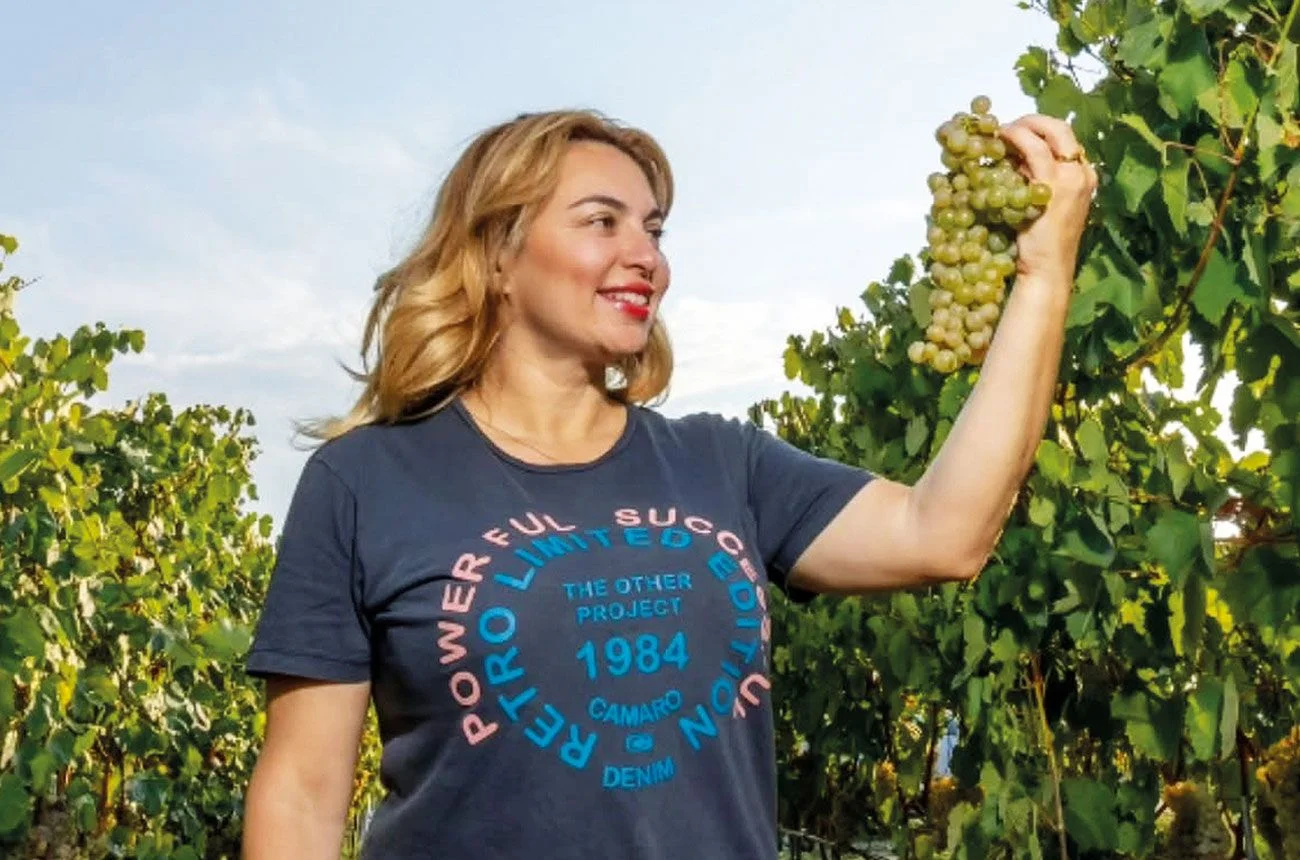
Eleni Kechri has spent over 20 years at her family’s estate, Kechris, pioneering new interpretations of Retsina. In 2024, she founded 1979 Kallos, diving deep into the intricacies of this unique Greek wine after four years of meticulous research. Drawing on her dual training as a chemical engineer and oenologist, she has patented a method for sourcing pine resin sustainably, bolstering the production cycle and quality standards.
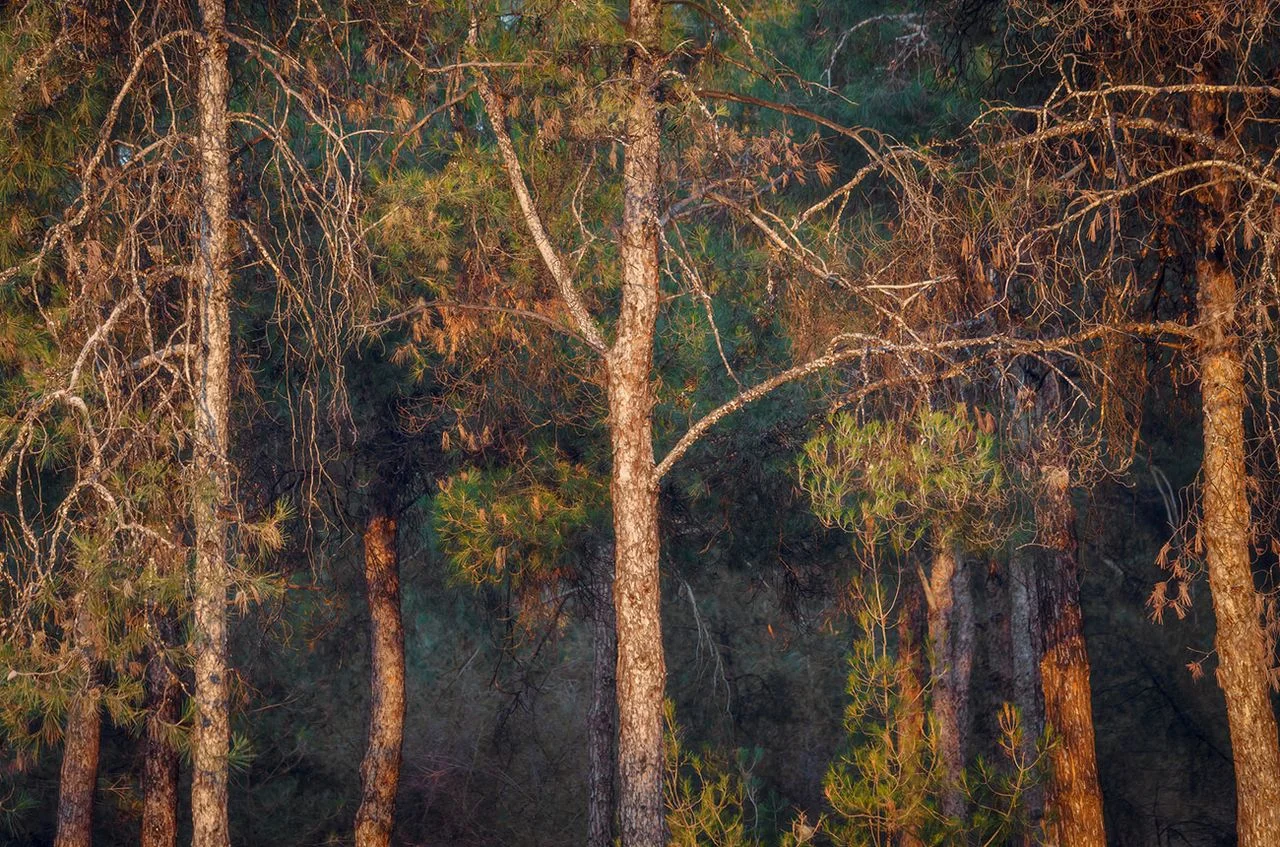
Kechri’s current focus is on the interaction between resin and terroir. By using resin from various geographical locations, she aims to highlight the distinct characteristics of different “single-pineyard” expressions. The concept of terroir, often reserved for vineyard practices, is now being thoughtfully applied to the sources of resin which play a critical role in Retsina production. I sat down with Kechri and her colleague Yiorgos Darlas, who plays an integral role at 1979 Kallos, to discuss their innovative approach.
A drink with Eleni Kechri and Yiorgos Darlas
Eleni Kechri: "We've coined it meta-retsina. Each year, resin characteristics change; they differ by region and forest. The most fascinating fact? When we collect resin without sulfuric acid, the quality enhances significantly."
Yiorgos Darlas: "The traditional method employs sulfuric acid to keep the tree's wound open, facilitating resin flow. However, this compromises the resin quality. If we leave the tree untreated, the wound closes naturally. It's more labor-intensive but yields a higher-quality output." This paints a picture of how tradition and modern science can often be at odds. As they're discovering, extracting resin in a manner that respects the tree's natural processes could lead not just to better flavor, but to a more sustainable practice overall.
Eleni Kechri: "Through extensive experimentation—contrasting resin collected with and without chemicals—we found that conventional resin tends to yield a heavier mouthfeel. In contrast, sustainably sourced resin emphasized limonene and terpenes, enhancing the desired citrus and refined notes."
What's particularly intriguing is the influence of location; Retsina from pines near the coast carries a distinct salinity, while those from mountainous regions produce a unique profile. This isn't just about geography; it crafts an identity for the Retsina, enhancing its appeal for those who appreciate wines that tell a story through their components.
For the first time, we're engaging in a dialogue about the terroir of the pine itself. Think of the myriad combinations of areas, vineyards, grape varieties, and pine groves━it’s a vast topic with untapped potential. Here’s the thing: shifting the focus to the resin opens up a new chapter for Retsina, blending history with modern sensibilities.
Yiorgos Darlas: "We plan to dig deeper into the microclimatic influences of the forests." Microclimates in wine production aren’t new, but applying such knowledge to an ingredient as specific as resin shows an interdisciplinary approach that could redefine how producers think about their craft.
Eleni Kechri: "We're also investigating the timing of resin collection. Collecting when it's cold in April can yield quite different qualities compared to the hotter months of August and September when resin flows more freely." Timing matters. It’s the small, often overlooked details like this that can lead to significant differences in quality and flavor. What this means for you, the consumer, is that the complexity of Retsina might become even richer.
Yiorgos Darlas: "Our experience tells us that early spring resin indeed offers different characteristics and aromas." This application of seasonal knowledge adds another layer to their craft—it's not just about the 'what' of production, but the 'when' as well.
Eleni Kechri: "I prefer to use mature Assyrtiko, which I harvest as golden grapes, and I advocate for low yields to amplify concentration in my wines." The philosophy of low yields here makes a broader statement about quality over quantity—something that resonates across culinary and beverage industries globally.
"With conventional resin, I often had to alter the vinification process to mitigate heavy characteristics. However, if the resin is lighter, I'm more confident in using larger quantities to enhance flavor without hesitation." It's remarkable how the resin quality directly affects not just taste but the entire approach to winemaking—leading to what could be a wonderful balance in flavor profiles.
"For the first time, we are addressing not only vineyard terroir but also that of the pine groves behind it. It’s a philosophical shift for us—to let nature reveal its essence. The sense of place in Greece encompasses the interplay of plant, climate, and human impact, amplified in Retsina through both vineyard and pineyard." This line of thinking could redefine traditional practices and give rise to a broader appreciation for the ingredients that go into our food and beverages. (and this is the part most people overlook)
Implications and Future Outlook
Kechri's work could reshape how Retsina is perceived, pushing it beyond its home market and appealing to those curious about unique, locally-sourced products. If she succeeds in highlighting these intricacies of resin, it's likely to draw a more discerning clientele, interested not just in taste but in sustainability and authenticity.
The approach her team is taking might inspire other winemakers to look beyond grapes, prompting an industry-wide reconsideration of how ingredients are sourced. This could potentially lead to more artisanal methods that boost local economies and emphasize responsible land use.
In the world of wine, blending tradition with science is essential. What Kechri and Darlas are attempting could serve as a template for others wanting to innovate while respecting heritage. As this discourse around Retsina evolves—especially through innovative methods of sourcing and processing resin—a new narrative is likely to emerge, one that tells the resign's story right alongside that of the grape.
Ultimately, the path they are forging may not just revitalize Retsina but compel consumers to rethink their choices and investment in wines. You might find yourself asking what contributes to the best quality wine. Well, it starts much earlier than the fermentation process.
Related articles

Seña's Alejandra Chadwick shares her top tips on Chilean wine, food and travel
A drink with...Tom Gearing on CultX and AI in the wine market



Discussion
Sign in to join the discussion.