Challenge your understanding of U.S. wine history with our quiz that spans from the colonial period to the early 1990s.
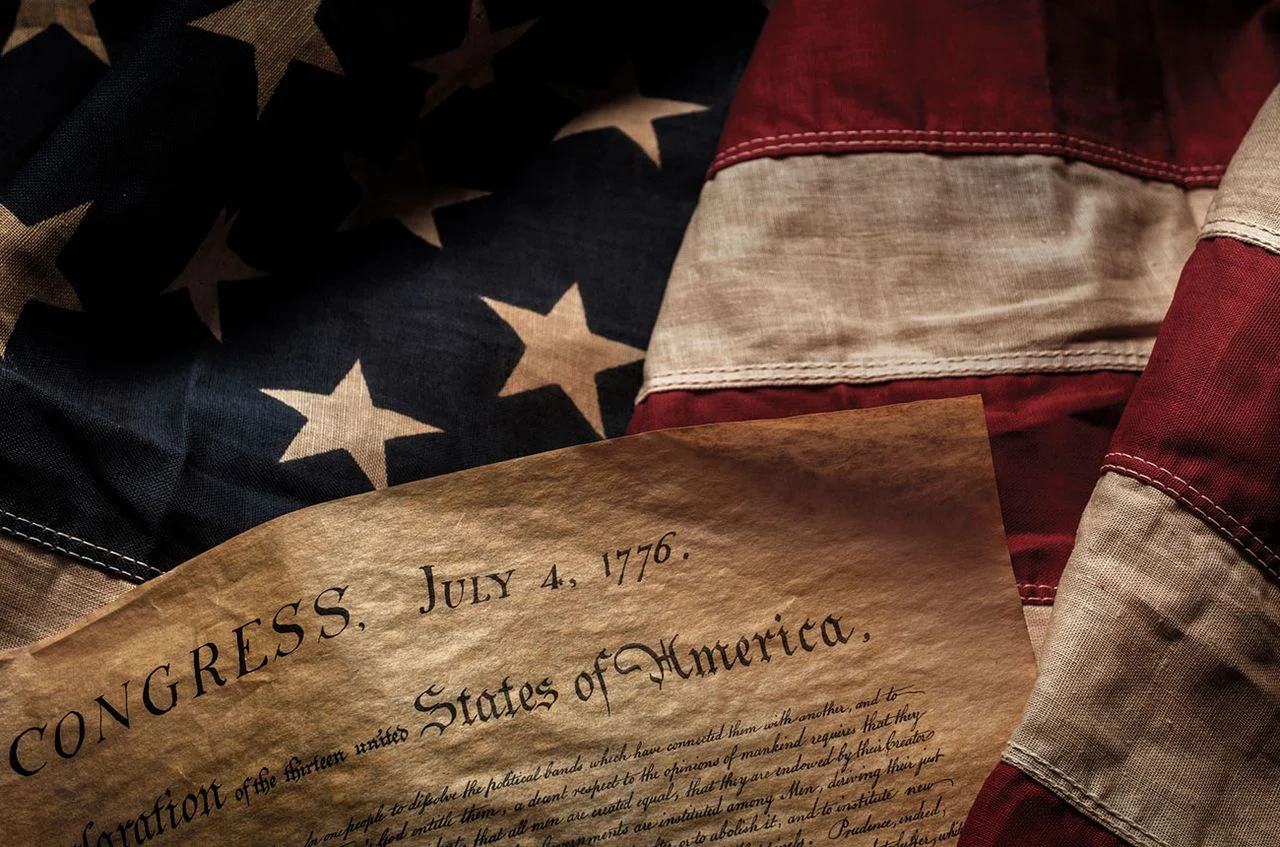
The United States may not boast an ancient winemaking tradition like some European countries, but in its brief 250-year history, it has achieved significant milestones in the wine sector. Early settlers brought their passion for wine with them, trying both indigenous and imported grape varieties in a bid to create uniquely American wines. The soil and diverse climate across different regions provided the perfect playground for these experiments, giving rise to a unique wine culture that continues to evolve.
Historical Roots of U.S. Winemaking
Wine production in the U.S. can trace its origins back to the 1600s when European settlers arrived. They brought grapevines from their homelands, hoping to replicate the wines they loved. Not just any grapes were planted; they experimented with species like the European Vitis vinifera as well as indigenous varieties such as Concord. Some early efforts resulted in mixed success, primarily due to the differences in climate and pest challenges. These first attempts set the stage for what would become a long and arduous journey toward establishing a viable winemaking identity.
Throughout colonial times, wine wasn't just a beverage; it played an integral role in social and economic life. Documented instances show that wine was often consumed during religious ceremonies and celebrations, highlighting its cultural significance. However, as grape cultivation proved difficult, many Americans turned to other alcoholic beverages like rum and whiskey. The struggle was real, but it sparked a burgeoning interest in creating distinctly American wines.
Cultural Significance and Milestones
Fast forward to the 19th century, wine's role in American culture became more pronounced, especially with the establishment of commercial vineyards. The California Gold Rush in the mid-1800s brought an influx of settlers, and soon they began to plant vineyards in areas like Napa and Sonoma Valley. Land that had once been home to sprawling ranches transformed into some of the world’s most renowned wine regions. The 1880s marked a particularly pivotal moment when the California Wine Industry began to gain international recognition, culminating in awards at various exhibitions. This eye-opening eventuality laid the groundwork for the future evolution of U.S. wine.
However, prohibition in the 1920s was a significant setback for American winemaking. Many winemakers had to shutter their businesses, leading to a drastic decline in production. Yet, this was not the end. Some vineyards transformed into illegal operations, while others turned to grape juice for sustenance. Surprisingly, these challenges led to a clandestine yet resilient community of winemakers who kept the spirit of American wine alive. When prohibition ended in 1933, the industry slowly began to rebuild. The resilience shown during this period is often regarded as laying the foundation for the modern winemaking era.
Modern Innovations and Global Recognition
The transformation of U.S. wineries into respected global players is an interesting narrative of innovation and adaptation. By the 1970s, the American wine industry began to garner attention on an international level, often challenging long-established European wineries. The famous Judgment of Paris wine tasting in 1976 shook the traditional wine world by featuring American wines that outperformed French counterparts. This event was a turning point that cemented the U.S.'s reputation as a serious contender in the wine sector.
Since then, the growth of U.S. winemaking has been impressive. From introducing new techniques to manipulating grape varieties to suit regional climates, American vintners are always pushing boundaries. One notable trend is the rise of organic and sustainable practices. This shift not only caters to the growing audience of eco-conscious consumers but also enhances quality, as healthier grapes can yield superior wines. If you’re working in this space, the commitment to sustainability is not just a trend; it’s becoming an expectation.
Challenges and Future Direction
While the narrative is largely positive, the U.S. wine industry faces its share of challenges. Climate change is reshaping growing seasons, and grape varieties once suited to specific regions might struggle to adapt. Additionally, competition from new world winemaking regions, such as South America, Australia, and even parts of Asia, is intensifying. The industry's ability to adjust to changing climate conditions, including water availability and pest issues, will dictate future success. Many winemakers are already shifting their focus to drought-resistant varieties and innovative irrigation techniques.
(p)And this is the part most people overlook: the evolving consumer preferences. Younger generations are exploring new tastes and are less tied to traditional wine norms. This means U.S. winemakers must not only be aware of their legacy but also pivot toward embracing new trends if they want to stay relevant. Are they ready to adapt to these shifting preferences? Only time will tell.Test Your Knowledge!
How well do you grasp the rich narrative of U.S. wine, from its colonial roots to the changes of the early '90s? Test your knowledge with our engaging 14-question quiz. It’s a fun way to see how much you know about a complex and fascinating industry.
Take our US wine history quiz
Related articles
Quiz: Our ultimate chillable red wine challenge

Summer wine quiz: Test your knowledge


Discussion
Sign in to join the discussion.