Explore the nuances of sake, including its ingredients, types, and ideal serving temperatures for optimal enjoyment.
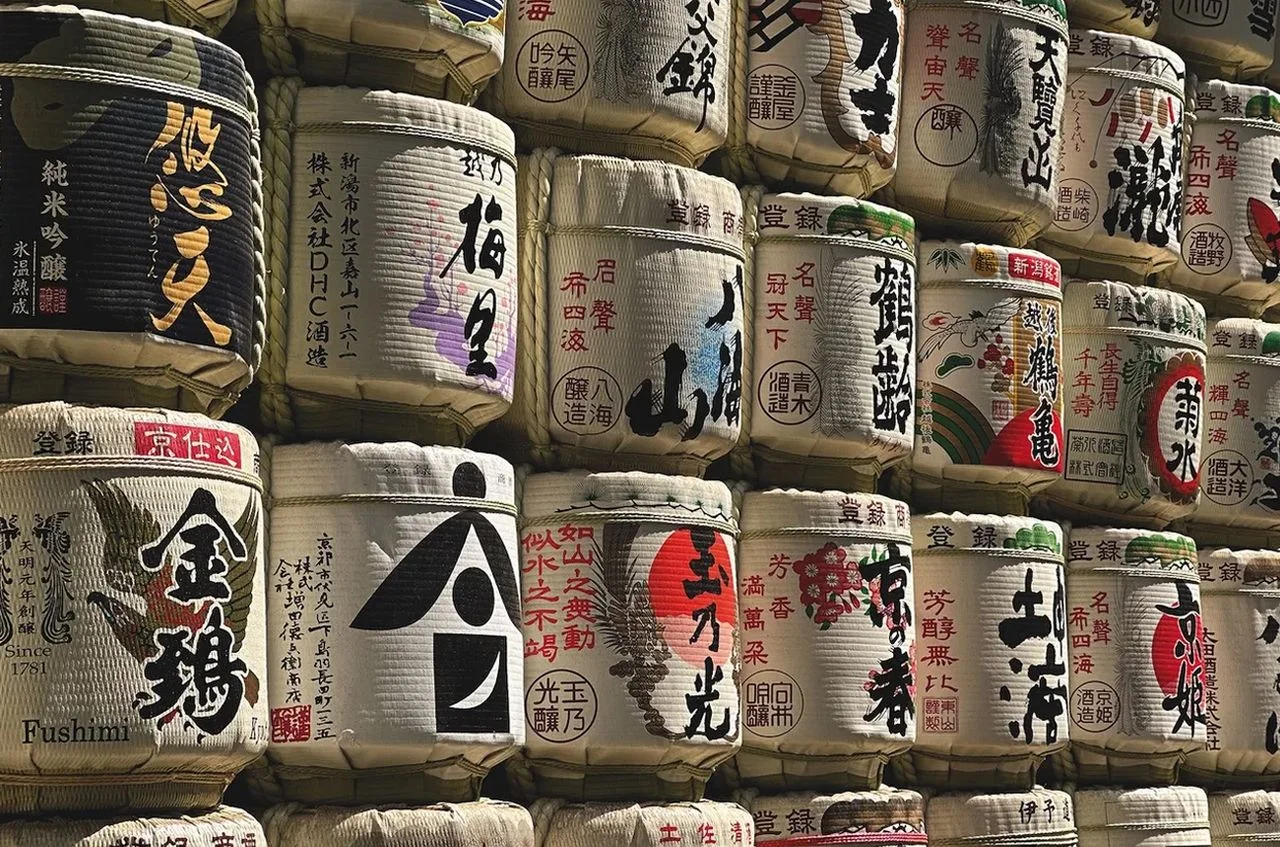
Not a spirit
Sake, often mistaken for a spirit due to its clarity, is a beverage made from rice, water, kōji mold, and yeast. This combination forms a fermented product rather than a distilled one. Consequently, it's not a spirit in the traditional sense, despite its clarity resembling that of vodka or gin. The alcohol content in sake typically ranges between 15% and 17%, which is slightly higher than most wines. This moderate level of alcohol can contribute to sake's unique appeal, distinguishing it from other fermented beverages and making it a particularly versatile option for pairing with food.
The Production Process of Sake
The creation of sake is a meticulous process that requires skill and precision. Unlike distilled spirits that begin as raw materials transformed into a high-proof alcohol, sake begins its journey through fermentation. It involves multiple parallel fermentation, where starch is converted to sugar and then fermented into alcohol simultaneously. The characteristics and quality of sake heavily depend on the ingredients used and the production techniques. For example, the water used in sake brewing is critical since its mineral content can influence the flavor profile. In regions like Niigata, renowned for its soft water, the resulting sake tends to be clean and crisp, showcasing the delicate flavors of the rice.
Core Milling Ratio
The milling ratio of rice in sake indicates how much of the grain remains after polishing. Lower percentages indicate a purer product; for instance, Ginjo (with a milling ratio of 60% or less) and Daiginjo (50% or less) are known for their delicate flavors and aromatic profiles. This polishing process removes the outer layers of the rice grain, which can harbor impurities and undesirable flavors. The remaining rice heart is essential to achieving the clean and nuanced taste that sake lovers appreciate. The trend towards lower milling ratios has led to a premiumization of sake, with connoisseurs gravitating toward more refined selections. However, this raises the question: is the emphasis on purity necessarily a marker of quality, or do traditional styles hold their own against polished contenders?
Pure Versus Adulterated
Within the world of sake, the classification of junmai, or 'pure rice', signifies that no additional alcohol has been introduced during fermentation. Sakes in this category are generally richer and more savory, characterized by bold, robust flavors that come directly from the rice and its fermentation. This contrasts with varieties that include added alcohol, which often result in crisper and cleaner tasting profiles. In many respects, the choice between junmai and its adulterated counterparts reflects broader consumer preferences regarding taste and authenticity. Some may question whether the purity of junmai truly offers a richer experience, or if sparklier, added-alcohol varieties provide a more refreshing option. This distinction signifies more than just taste; it speaks to the cultural perceptions of what constitutes authenticity in beverages.
Serving Preferences
While most sakes are best enjoyed young, certain varieties known as koshu can be aged, which adds complexity to their profiles over time. The serving temperature of sake often varies; lighter, fruitier styles are typically served chilled, emphasizing their crispness, while richer and earthier varieties may be warm. This versatility invites drinkers to personalize their sake experience based on their palates or the meal it accompanies. If you’re working in this space, you should definitely pay attention to the serving temperature—it's a game that can elevate the whole experience. Each level of warmth unlocks different aromas, revealing the intricacies of the sake's flavor. (And this is the part most people overlook.) The choice of serving temperature can be a crucial aspect of how flavors are perceived and enjoyed.
Versatile Food Pairing
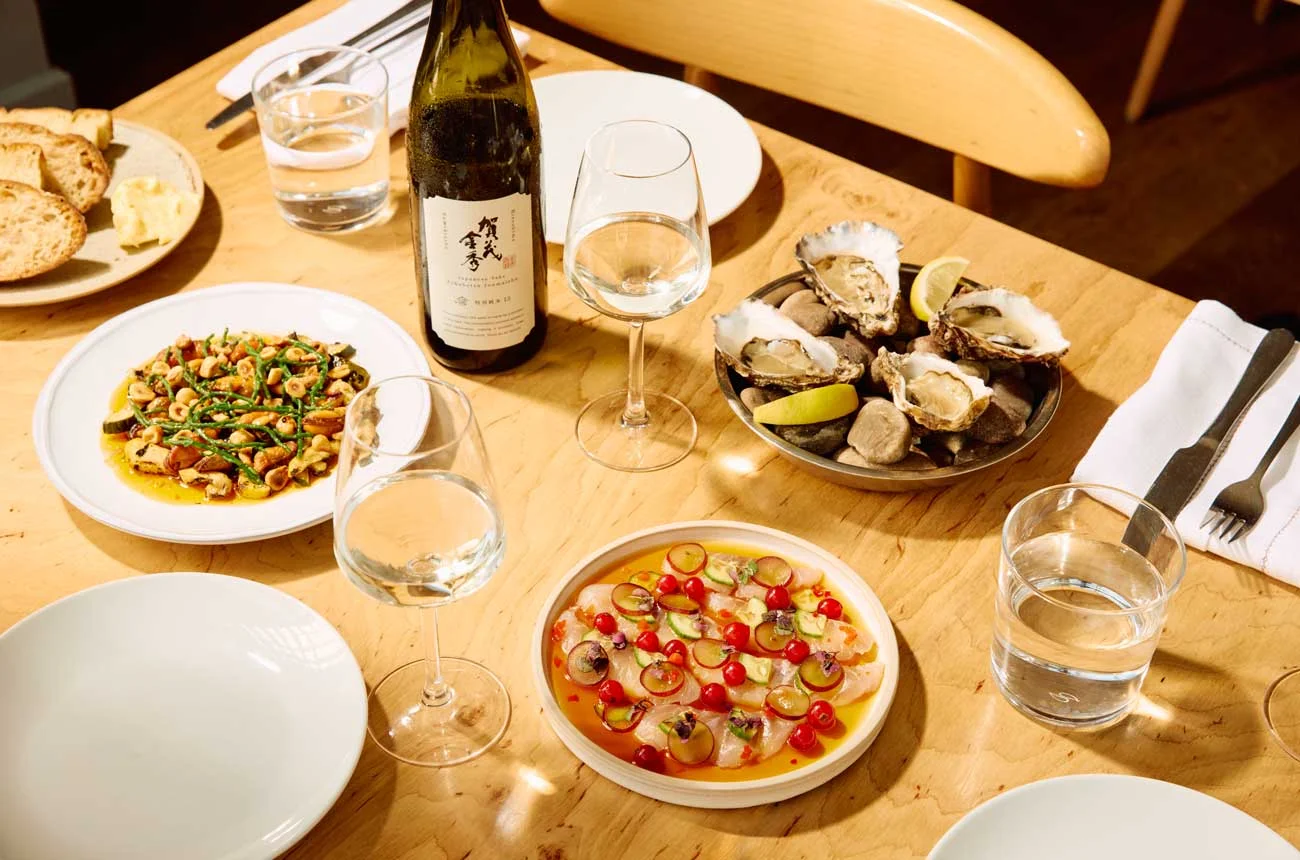
With lower acidity than wine, sake presents a rounder, slightly sweeter flavor profile that makes it compatible with a wide range of dishes. This has positioned sake as an increasingly popular choice for food pairings, particularly as global cuisines have blended over recent years. For newcomers to the world of sake, a Junmai serves as a solid entry point due to its balanced and approachable characteristics. Those seeking something special might explore the realm of sparkling sake, which stands out as a perfect choice for summer refreshments or celebrations. However, an important point of consideration emerges: as sake becomes more mainstream, consumers often find themselves overwhelmed by the choices available. Is the increase in options benefiting drinkers, or is it creating uncertainty about how to pair and choose sake effectively?
Implications of Sake's Popularity
The growing interest in sake signals not merely a surge in its consumption but also a shift in cultural attitudes towards alcoholic beverages. Sake bars are popping up in various cities around the world, while traditional Japanese dining experiences have expanded, integrating sake into casual dining contexts. For artisans and producers, this means heightened competition and the opportunity to craft unique expressions of traditional practices. However, with this attention comes the risk of dilution; as the market expands, maintaining authenticity in both production and consumption becomes increasingly challenging. What this means for you, as a consumer, is that discerning quality amidst a plethora of options might require deeper exploration and genuine appreciation of sake's nuances.
Related articles
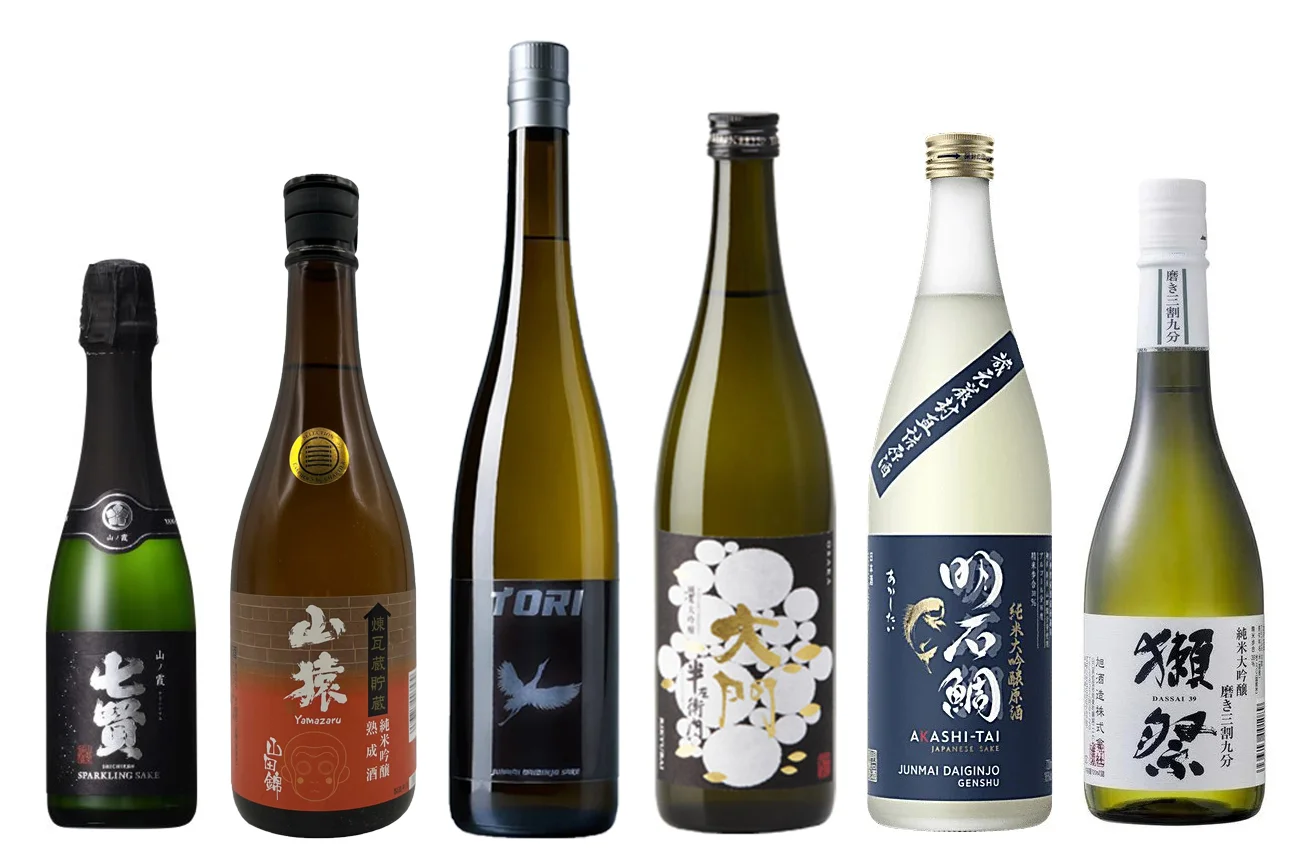
Sake: A beginner’s guide and top recommendations
What is nama sake?



Discussion
Sign in to join the discussion.