Piedmont is more than just Nebbiolo; explore five lesser-known grapes that are gaining traction and offer unique tasting experiences.
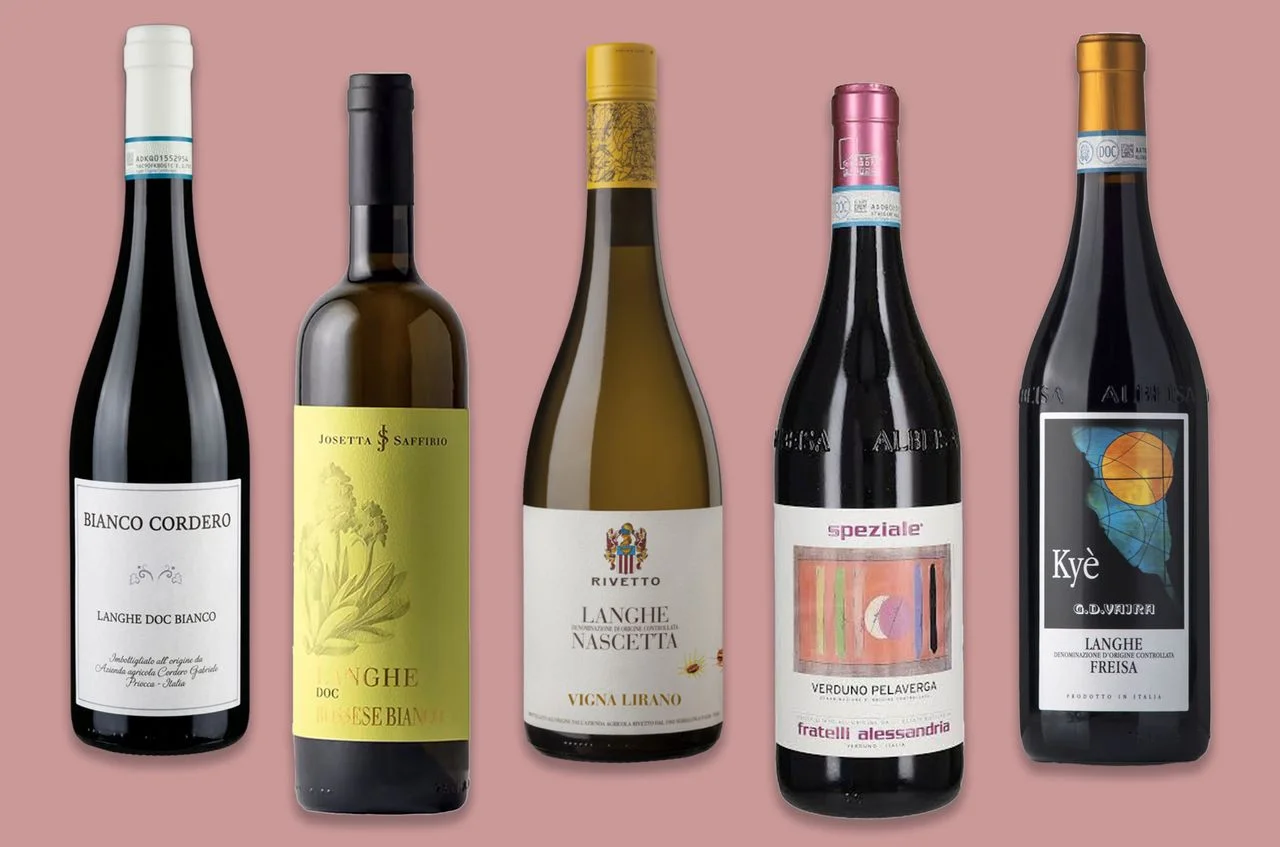
While Nebbiolo reigns supreme in the Langhe region, overshadowing other varieties, a handful of lesser-known grapes are carving out their own space in Piedmont’s wine scene. Beyond iconic Barolo and Barbaresco, these underdog grapes present compelling profiles that are increasingly gaining attention from wine enthusiasts.
Nascetta
Nascetta has seen a remarkable comeback after nearly disappearing mid-century due to its capricious nature. Fortunately, a few passionate growers in Novello managed to keep this grape alive. In the glass, Nascetta dazzles with its golden hue and tantalizes with flavors of exotic fruits, honey, and white flowers, accompanied by a savory, waxy texture that few white wines from the region can match.
The revival of Nascetta began in earnest in 1993 following a tasting led by winemakers Elvio Cogno and Valter Fissore, alongside journalist Armando Gambera, showcasing the aged 1986 vintage. This experiment highlighted Nascetta's potential, leading to Cogno’s first bottling the subsequent year. According to Enrico Rivetto, “Nascetta shows its best with age,” making older vintages particularly desirable.
Producers to know:
- Elvio Cogno
- Le Strette
- Rivetto
- Braida
Pelaverga
Unlike Nascetta's dramatic revival, Pelaverga Piccolo has endured as a distinct variety amidst confusion with other grapes. Verduno serves as the epicenter for this grape, delivering delicate reds showcasing notes of violets, cherries, and a hint of spiciness. Vittore Alessandria of Fratelli Alessandria states, “Pelaverga is the key to understanding the soul of Verduno,” emphasizing its unique yet elegant profile.
Since 1994, the Verduno è Uno association has worked to shine a light on Pelaverga, aligning perfectly with the modern preference for lower-alcohol wines. Alessandria suggests that once tasted, Pelaverga leaves an indelible mark.
Producers to know:
- Fratelli Alessandria
- Reverdito
- Sordo
- Arnaldo Rivera
Freisa
Freisa boasts a name that nods to its wild strawberry and raspberry aromas, remaining one of the oldest grapes in Piedmont. This grape is closely related to Nebbiolo, sharing vibrant acidity and robust tannins. In its top forms, Freisa becomes a serious contender in the wine world, showcasing an ability to withstand heat and drought—a significant advantage as climate change pressures wine regions.
Francesca Vaira of G.D. Vajra emphasizes the transformation of Freisa's perception: “We completely flipped that narrative,” referring to its reimagining from a light, everyday wine to one that is structured and ageworthy, truly a “sommelier's wine.”
Producers to know:
- G.D. Vajra
- Cascina Corte
- Giacomo Fenocchio
- Borgogno
Rossese Bianco
Despite its potential, only seven wineries currently produce Rossese Bianco. Winemaker Sara Vezza of Josetta Saffirio recalls her father’s wish to plant Chardonnay, but her mother insisted on a local variety, leading to the choice of Rossese Bianco. Its ageability has been a selling point for producers like Roberto Garbarino, who believes in the grape’s capacity to mature gracefully.
In tasting, this variety impresses with citrus and floral notes, lively acidity, and herbal nuances, presenting a quieter yet distinctive alternative reminiscent of Vermentino but with its own character. Interest around Rossese Bianco is growing, signaling a positive trend for its future.
Producers to know:
- Josetta Saffirio
- Roberto Garbarino
- Manzone
Bian Ver
Bian Ver stands out as an obscure Alpine grape that Gabriele Cordero discovered in Barge's ancient vineyards. Despite not having been authorized for vinification initially, Cordero collaborated with Turin University to secure its recognition. The grapes offer a striking profile with notes of aniseed, fennel, and apricot, balanced by a refreshing acidity, making them surprisingly distinct from typical Italian varieties, resembling more closely the wines of Burgundy.
The perseverance shown in bringing grapes like Bian Ver to the forefront reflects the passion of growers committed to reviving Piedmont’s historic offerings. If you find this wine, it’s worth the effort to taste.
Producer to know:
- Gabriele Cordero
With such a rich heritage in a region acclaimed for Nebbiolo, these lesser-known varieties represent the compelling allure of Piedmont’s wine evolution. As consumers increasingly seek authentic, terroir-driven experiences, the significance of these underdog grapes becomes apparent, showing they have a place in today’s dynamic wine market.


Discussion
Sign in to join the discussion.