Sémillon Gris, a unique pink-skinned grape from South Africa, has officially gained recognition, marking an important milestone for the region's wine industry.
The emergence of Sémillon Gris, despite being centuries old, marks a pivotal moment in the viticulture landscape of South Africa. Recently certified by the OIV, Sémillon Gris is now officially recognized as a distinct grape variety with its roots firmly planted in the Cape region.
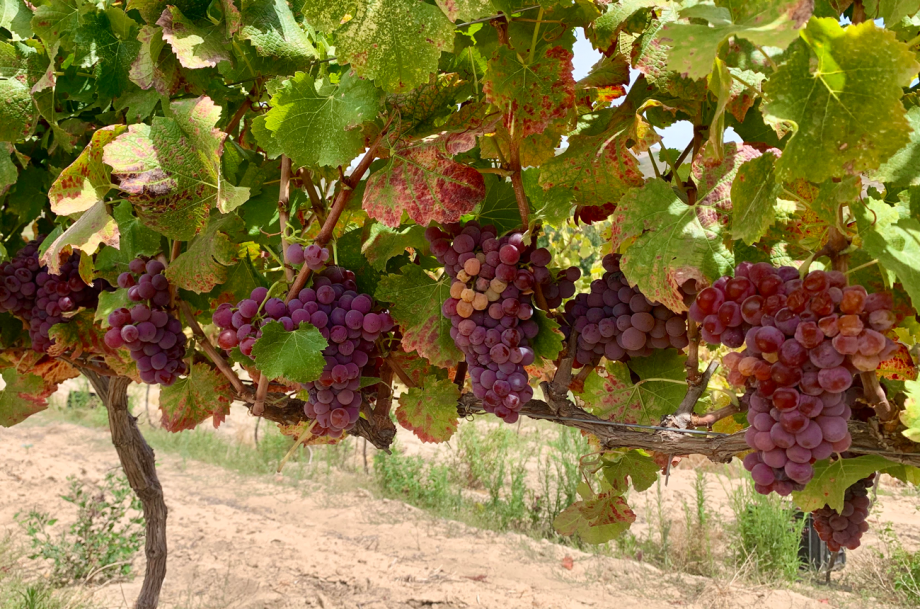
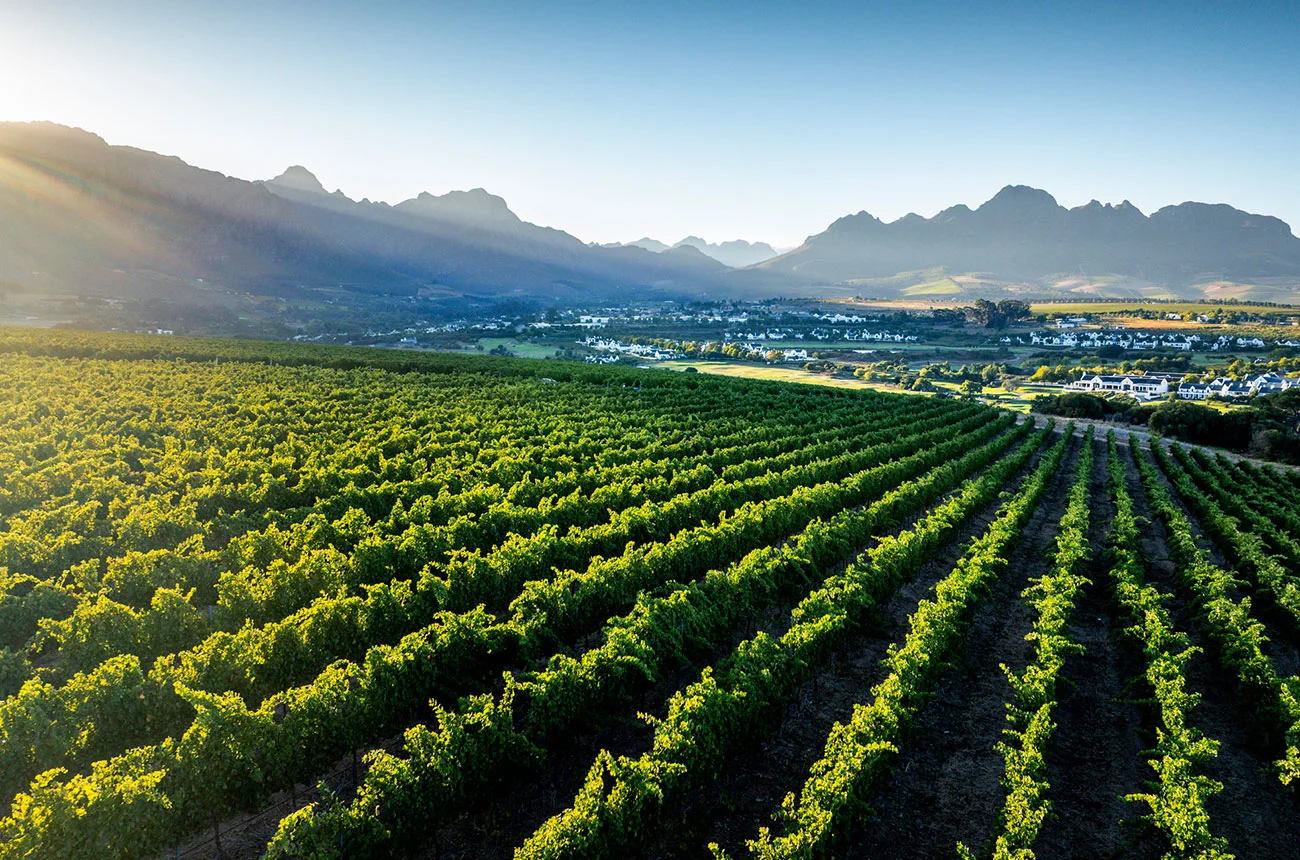
Andrea Mullineux, a noted figure in the South African wine community, reveals the grape's origins as she examines the mother vine block at Roundstone, Swartland. With the picturesque Riebeeksrivier slopes in the backdrop, she emphasizes how Sémillon Gris is interwoven into the historical fabric of South African viticulture. This pink-skinned mutation of Sémillon is not merely a variant; it represents a unique marker of the Cape’s distinct wine heritage.
Promoting Sémillon Gris
The Mullineux & Leeu Family Wines, founded by Andrea and Chris Mullineux, has spearheaded efforts to formally authenticate Sémillon Gris over the past 14 years. Their initiatives took off in 2012 when cuttings from a historic vineyard in Paardeberg underwent an extensive propagation process involving in-vitro thermotherapy. By 2022, the strides made yielded certified vines that can now be propagated by growers around the world.
Securing recognition for Sémillon Gris wasn't without its challenges. Unlike traditionally imported grape varieties, which have established protocols, the Mullineuxs essentially started from scratch alongside regulatory bodies, paving a new path for local grape recognition. Andrea explains succinctly, “There was no manual.”
Unraveling the Mystery of Sémillon Gris
With the official acknowledgment, South Africa now proudly claims two unique grape varieties: the man-made Pinotage and the spontaneously occurring Sémillon Gris. The latter remains something of a puzzle; the circumstances surrounding its initial mutation remain elusive. Research conducted at Stellenbosch University aims to uncover the genetic markers and environmental factors influencing its emergence.
Initial findings have debunked various theories, including the notion that a virus caused the unique coloring of Sémillon Gris. Instead, Andrea notes that healthy, virus-free vines yield the most vibrant grapes, affirming that the mutation operates as a one-way street—Sémillon Gris remains distinct when propagated, regardless of the age of the vine. One speculative explanation is that the pink hue serves as a protective response to warmer climates relative to Sémillon's Bordeaux heritage.
Fostering Interest
Andrea’s fascination with Sémillon Gris ignited when a fellow winemaker encouraged her to explore this less conventional variety. When she discovered its historical presence in South Africa, dating back to the 1800s, her goal shifted to identifying viable sources for propagation, leading her to the 1960 Paardeberg vineyard, now integral to their wine lineup.
Historical Context
The journey of Sémillon in Cape wine history is lengthy; it’s believed to have originated in the region in the 1650s when introduced by Jan van Riebeeck. In its heyday during the 19th century, Sémillon dominated the vineyards, accounting for an astonishing 93% of plantings by 1822. The decline came with the devastation wrought by phylloxera, shrinking plantings significantly over the following century.
Modern plantings of Sémillon, now totaling approximately 873.74 hectares, include both the conventional and the newly recognized Gris variety, which will begin to be certified separately from 2027.
A Testament to Resilience
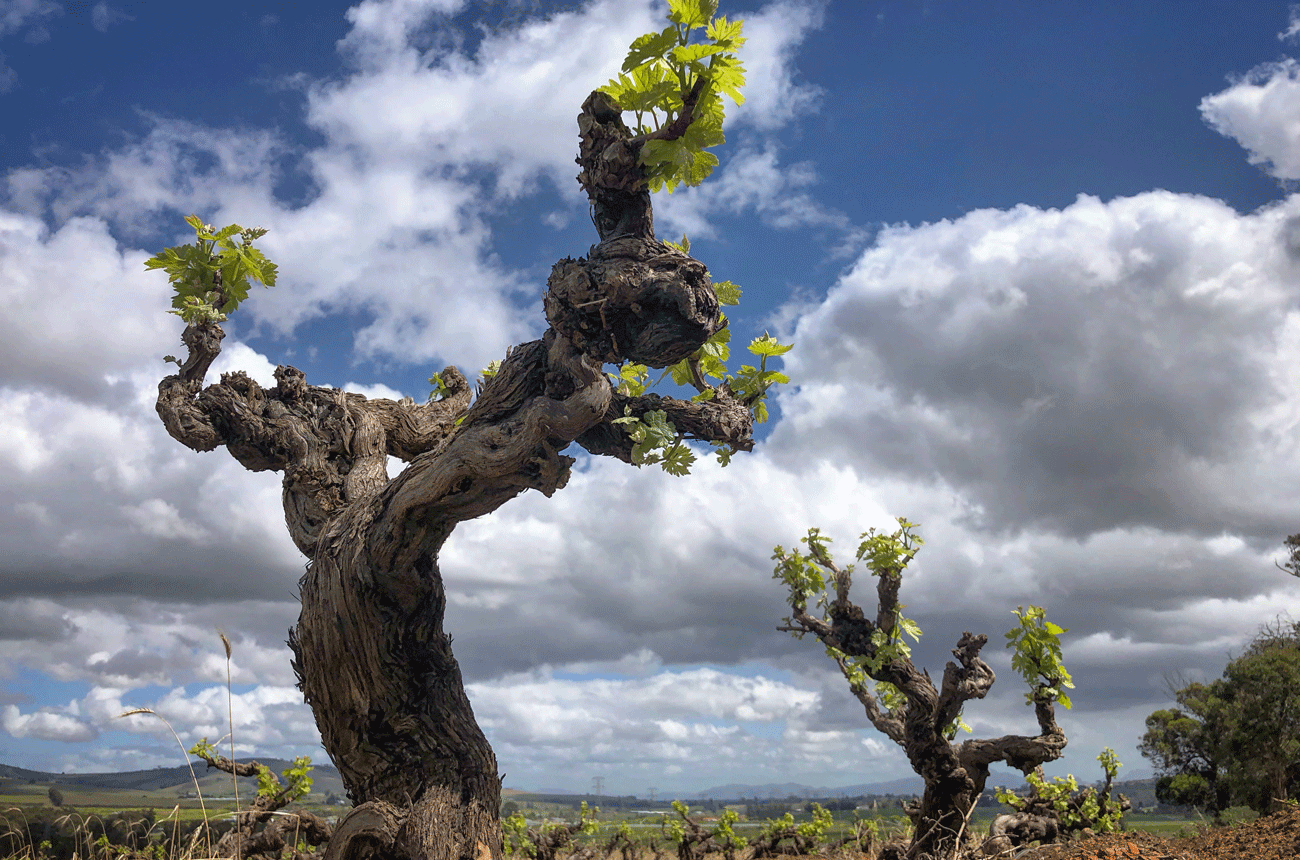
Despite the historical challenges, Sémillon Gris has persisted, much like South Africa’s other old vines. Some exceptional examples of these enduring varieties can be found in Swartland and Franschhoek, where vineyards have survived since the late 19th century, lending credence to the belief that age confers magical properties to vines. Recent advancements, however, have shown that Sémillon Gris is not limited to older vineyards, as demonstrated by newer plantings that enhance its viability.
Tasting Sémillon Gris
Moving into the contemporary narrative, tastings of Sémillon Gris from Roundstone's mother block reveal its distinct characteristics. Meeting Chris Mullineux for lunch at a Paarl winery, Andrea showcases several vintages, including their renowned 2018 and 2024 offerings, alongside contrasting expressions from similarly planted vineyards. As she explains, the terroir differences—schist versus granite—contribute significantly to the flavors and quality of the wines.
Currently, production remains limited, as the Roundstone vineyard closely guards its tiny yield. Yet, the significance of this grape is becoming apparent, not only as part of a rich historical narrative but also through its potential in modern winemaking. Accompanying freshly caught kingklip fish with the gris wines makes for a celebratory occasion, honoring the grape's long-hidden potential.
Finally, as Andrea comments, “Pinotage was created here, which is incredible, but Sémillon Gris created itself. It just happened.” That natural emergence gives Sémillon Gris an authenticity that resonates deeply within the heart of South African winemaking.
Five Notable Sémillon Gris to Try
Related articles
Get to know South Africa’s old vines in six wines
Semillon Gris: South Africa’s old-vine oddity

Discussion
Sign in to join the discussion.