South American winemakers are thriving in Pinot Noir by embracing cooler climates and refined techniques, leading to a wine renaissance in Chile and Argentina.
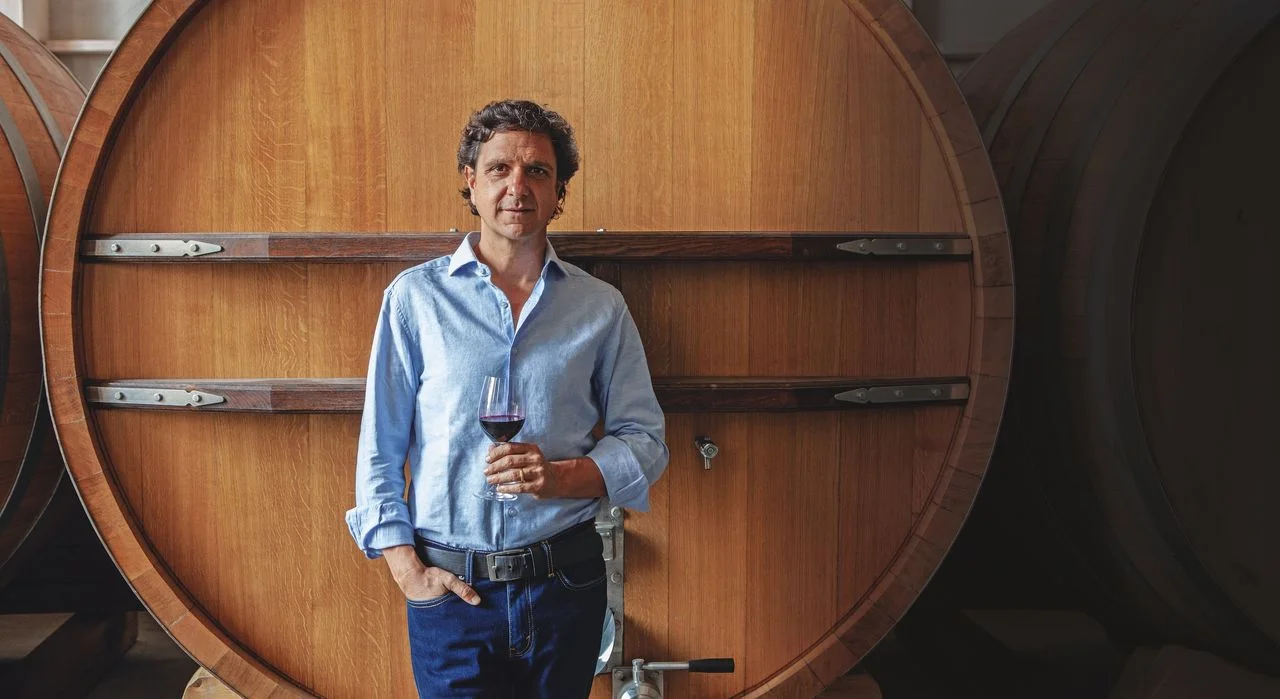
Pinot Noir has gradually found its footing in the South American wine scene, especially in regions like Chile and Argentina. While this grape variety has historical roots in the continent, its transformation into a sought-after wine only unfolded in recent decades. For years, the robust red varietals from Bordeaux and Basque influenced local viniculture, overshadowing more delicate grapes like Pinot Noir, which require precise conditions and careful handling.
Over the past twenty years, South American winemakers have relentlessly pursued mastery over Pinot Noir. This effort reached a key milestone when Chilean winemaker Matías Ríos stumbled upon old Pinot Noir vines in Chimbarongo. Recognizing their potential, Ríos and his team initially struggled with the nuances of this grape. “We thought we could treat it like a Bordeaux variety,” Ríos reflects, recalling the initial missteps. It was only after guidance from Burgundy winemakers that they began to refine their approach, focusing on terroir and selecting optimal plant material for cooler climates, leading to significant improvements in their wines.
A seismic shift started in the early 2000s when Chile transformed its early clone choices—previously chosen for sparkling wines—into selections better suited for vibrant still Pinot Noir. Neighboring Argentina experienced a similar awakening. Winemaker Roy Urvieta from Domaine Nico explains, “The first major lesson was understanding which plant material works best under our conditions.” This quest has revealed that not all widely-adopted clones translate well; in fact, some local selections have begun to shine.
As a result, South American producers have not only honed their vineyards but have also delved deep into the science of where Pinot Noir thrives. This meticulous work, paired with a broadening search for cooler sites, has led to a remarkable renaissance for these wines.
### Focus on Cooler Climates
Today, much of the excitement surrounding South American Pinot Noir revolves around cooler climates. Regions like Casablanca and San Antonio in Chile have turned into epicenters for this delicate grape thanks to their unique topography that benefits from the Humboldt Current and morning fog. Ríos points out that the interplay of cool temperatures and bright sunlight in these areas is key to producing wines with both complexity and freshness.
The enthusiasm for cooler sites extends beyond Chilean coasts. In Uruguay, winemakers are increasingly drawing on the Atlantic's moderating influence. Notably, as regional focus shifts toward sites with diverse soils and breezy conditions, vineyards in Maldonado have taken on added significance, elevating Uruguay’s reputation for high-quality Pinot Noir.
The dedication to smart viticulture practices has led to notable lessons. For instance, Santiago Deicas of Familia Deicas emphasizes how critical yield management is to producing finesse-driven Pinot Noir. His rule of thumb: keep yields below 5,000 kilograms per hectare to avoid sacrificing quality. In balancing the robust nature typically associated with Tannat, winemakers here are adopting more restraint to unveil the nuanced character of Pinot Noir.
### The Evolution of Winemaking
In Argentina, the push for cooler microclimates began in the 1990s with high-elevation plantings in Mendoza's Uco Valley. The region has since emerged as a powerhouse for Pinot Noir, with specific neighborhoods like Gualtallary known for their distinctive characteristics. Urvieta meticulously tells us how different soil profiles contribute to diverse flavor profiles, giving each vineyard its own identity.
Chile's charming, coastal Pinot Noir has garnered attention too. It often exhibits ripe fruit and vibrant acidity, thanks to producers like Eduardo Jordán, director at Miguel Torres Chile. He’s keenly aware of how his slate soils influence the wine’s color and acidity—evidence that local terroir plays a pivotal role in shaping these wines.
As South American Pinot Noir matures, there’s a palpable excitement among winemakers who have embarked on this collaborative journey. Winemakers like Deicas have championed opportunities to taste and share insights among peers, a vital exercise that builds confidence in experimentation. This collective growth is evident: each vintage yields wines that speak to both the land and experience of the winemakers.
Across the continent, the challenges of crafting Pinot Noir have led to invaluable lessons that are evolving into something distinctive. No longer a mere afterthought, South American Pinot Noir combines local wisdom and terroir understanding, ensuring its presence is increasingly felt on the global stage. As these wines improve year after year with age and refinement, they emerge not just as competitors to their European counterparts, but with a promise of unique excellence yet to be fully revealed.


Discussion
Sign in to join the discussion.