Discover how Gualtallary, Paraje Altamira, and Los Chacayes are shaping the future of Argentine wine through unique terroirs and specific grape expressions.
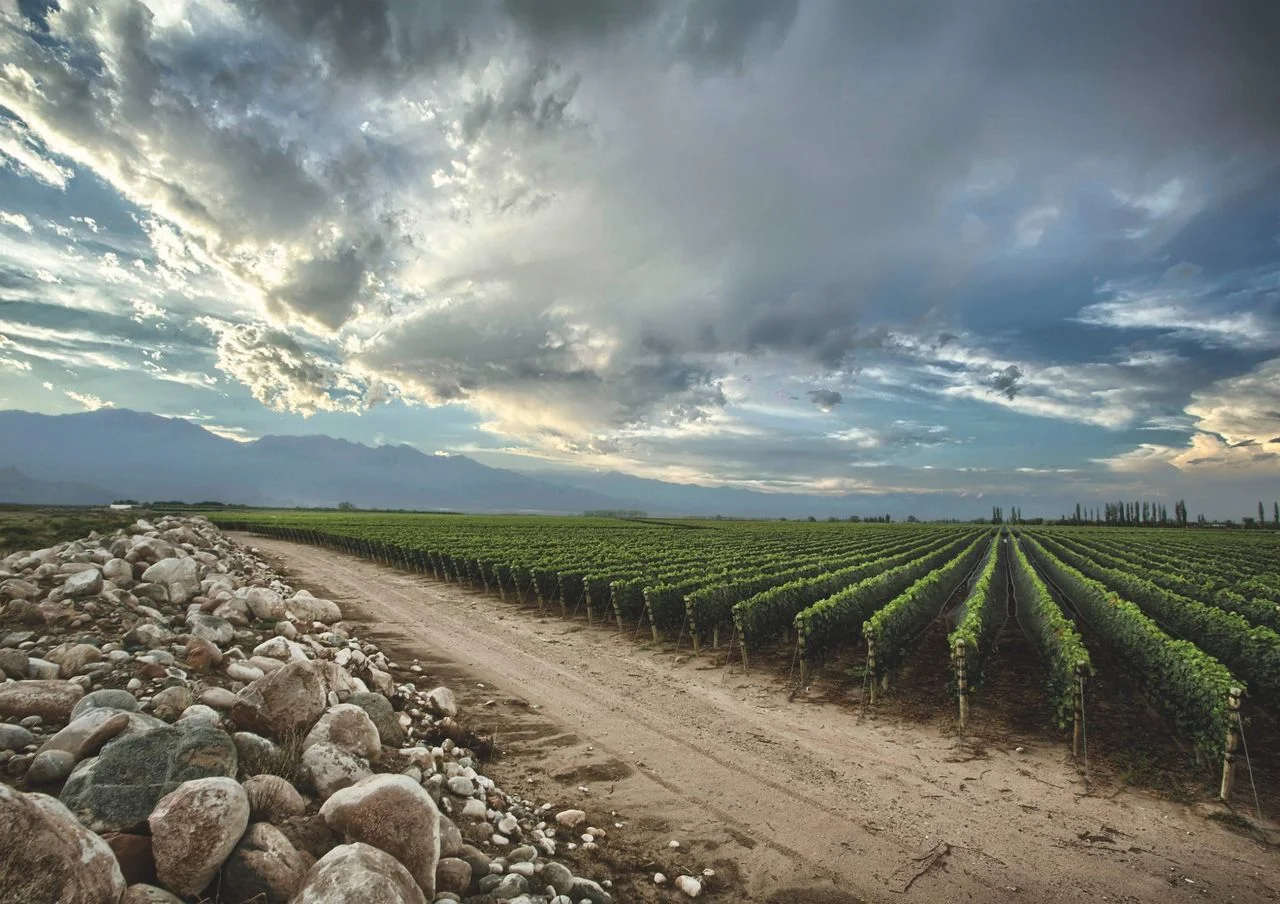
Argentine wine is experiencing a significant transformation, notably through the work of oenologists like Alejandro Vigil from Catena Zapata and El Enemigo. He's been instrumental in shifting the focus from generic grape profiles to a more nuanced understanding of terroir, particularly within smaller vineyard parcels in Mendoza's high-elevation regions. Vigil's experience shows that even minute differences in location can yield dramatically diverse wines.
This evolution marks a critical juncture for Argentina's wine identity, as winemakers increasingly strive to create wines that truly reflect their origins. Edgardo del Popolo of PerSe Wines underscores this shift, emphasizing the move away from merely trying to craft the best wine to instead producing the right wine for each specific terroir. This philosophy is particularly evident in the sub-regions of Gualtallary, Paraje Altamira, and Los Chacayes.
Changing Vineyard Practices
The transition to sustainability and authenticity in Argentine vineyards has been significant. Andrés Vignoni at Raquis articulates this evolution succinctly: ‘We’ve moved on from valley viticulture to mountain viticulture.’ Traditional practices that favored land levelling for mechanization have been abandoned in favor of methods that respect the natural landscape. This approach promotes healthier vines by allowing roots to delve into unadulterated soil, maintaining the uniqueness of the terroir.
Sebastián Zuccardi emphasizes a straightforward hierarchy: “The climate first, then the soil." The interplay of these elements creates distinct characteristics in wines, as noted by geophysicist Guillermo Corona. He articulates how the climate influences the fruit's aroma while the soil contributes to the wine's mouthfeel.
Gualtallary: A Land of Diversity
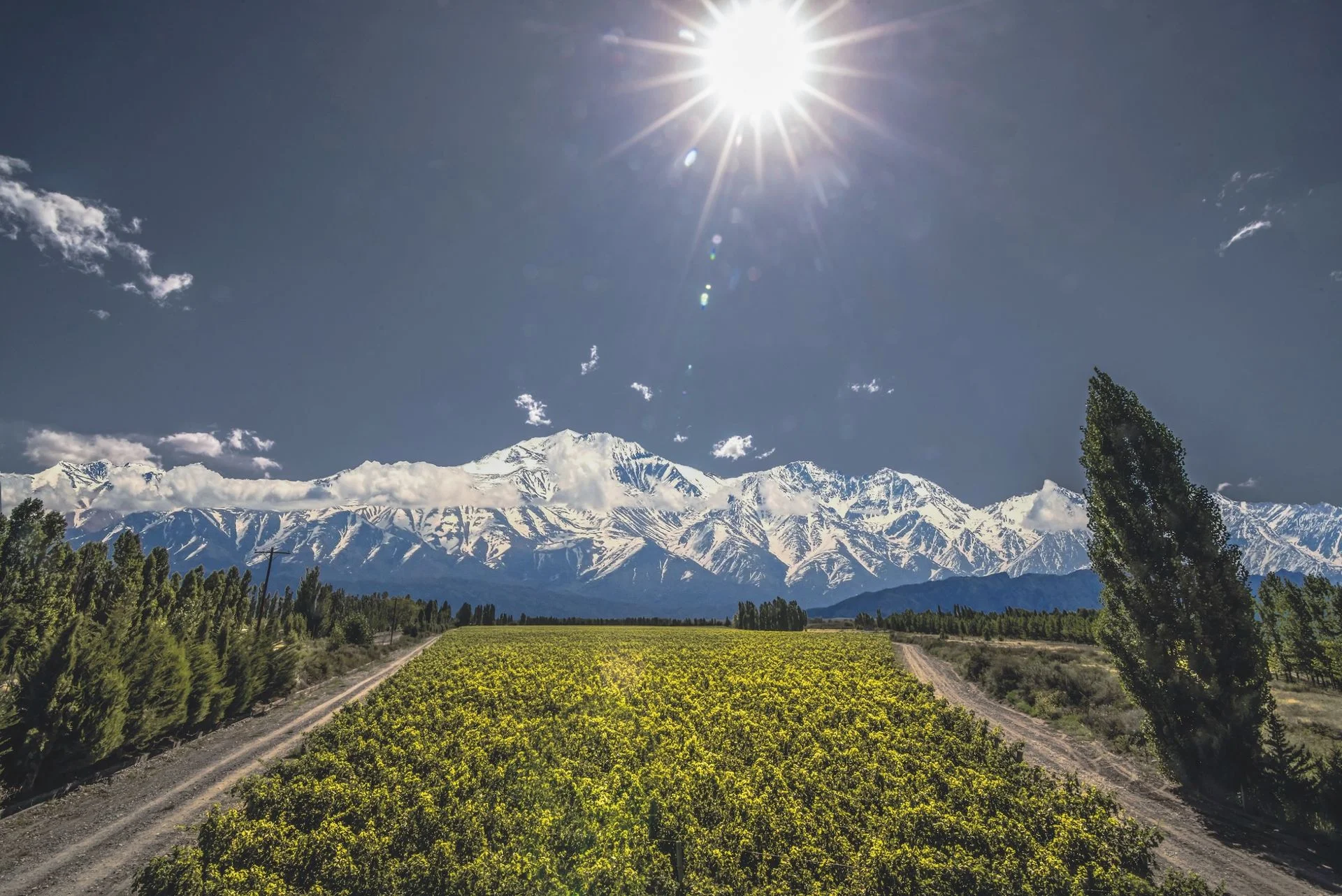
Gualtallary, located in the Tupungato region, showcases an elevation range from 915m to 1,600m across a mere 16km. This geographic diversity results in alluvial soils that contain varying quantities of calcium carbonate, leading to pronounced flavor differences in wines produced within close proximity. Even though researchers have identified potential subdivisions, Gualtallary lacks official Geographic Indication status, highlighting the need for further recognition of its unique attributes.
Vigil describes the wines from Gualtallary as possessing “tension and verticality,” suggesting that the profiles of these wines stretch upwards rather than expand horizontally. Del Popolo adds that this understanding of climate-soil interactions has allowed vintners to craft wines that embody a distinct sense of place, making Gualtallary not just a region, but a wine identity.
Paraje Altamira: Data-Driven Terroir
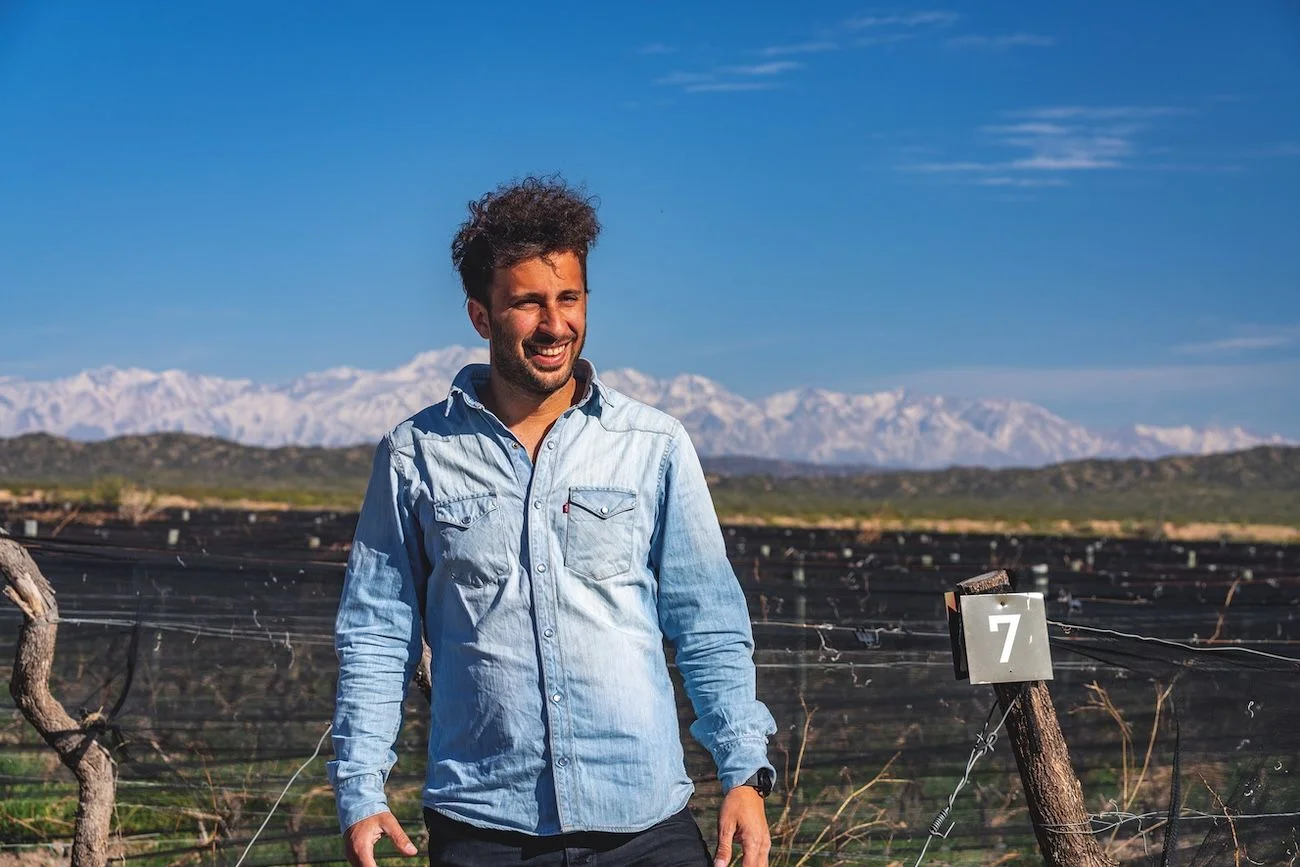
Paraje Altamira, recognized as Argentina's first Geographic Indication in 2013, is situated in the San Carlos department of the Uco Valley. This area cleverly combines scientific insight with traditional winemaking practices, enhancing its appeal. The vineyards here sit between 975m and 1,100m in elevation, which, combined with a cooler climate where frosts can threaten harvests, results in slower ripening of grapes. Interestingly, the region's desolate appearance belies its vineyard potential.
Federico Gambetta from Altos Las Hormigas elaborates on the unique soil composition that produces wines with round tannins and a distinctive chalky texture, which sets Altamira apart. The wine's aromatic profile leans toward floral notes with hints of dark and red fruit, providing an alluring complexity that’s less sharp compared to warmer regions.
While Malbec reigns supreme, old-vine Semillons are a quiet treasure in this region, yielding whites that embody a depth that is becoming increasingly appreciated.
Los Chacayes: A Rapidly Emerging Terroir
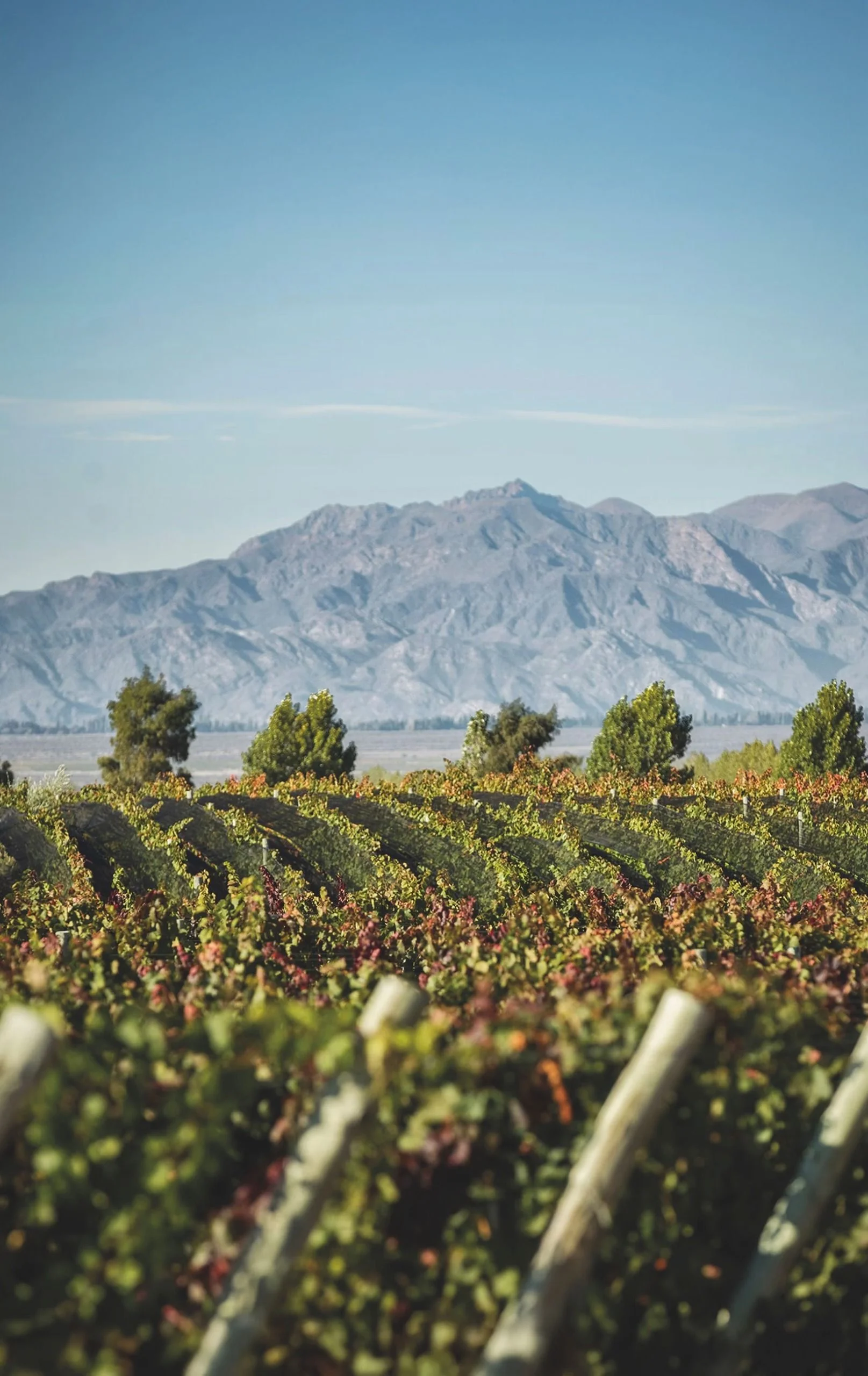
On the western side of the Uco Valley, Los Chacayes is a more recent addition to Argentina's wine map. Officially designated in late 2017, this area is rapidly establishing a reputation for producing lively and spicy wines. The elevations here range from 1,100m to 1,400m, providing a unique geographical context that influences wine profiles—grains of Mediterranean varieties like Garnacha, Syrah, and Mourvèdre thrive in these rocky soils.
The burgeoning vineyards of Los Chacayes are still evolving, and directors like Vigil believe we have yet to see the best this terroir can offer. Observations from Madeleine Stenwreth reveal a marked difference in wine characteristics based on the vineyard location, with higher altitudes producing unique expressions that challenge preconceived notions of the valley's wine profile.
Defining Cru: A New Concept for Argentinian Terroir
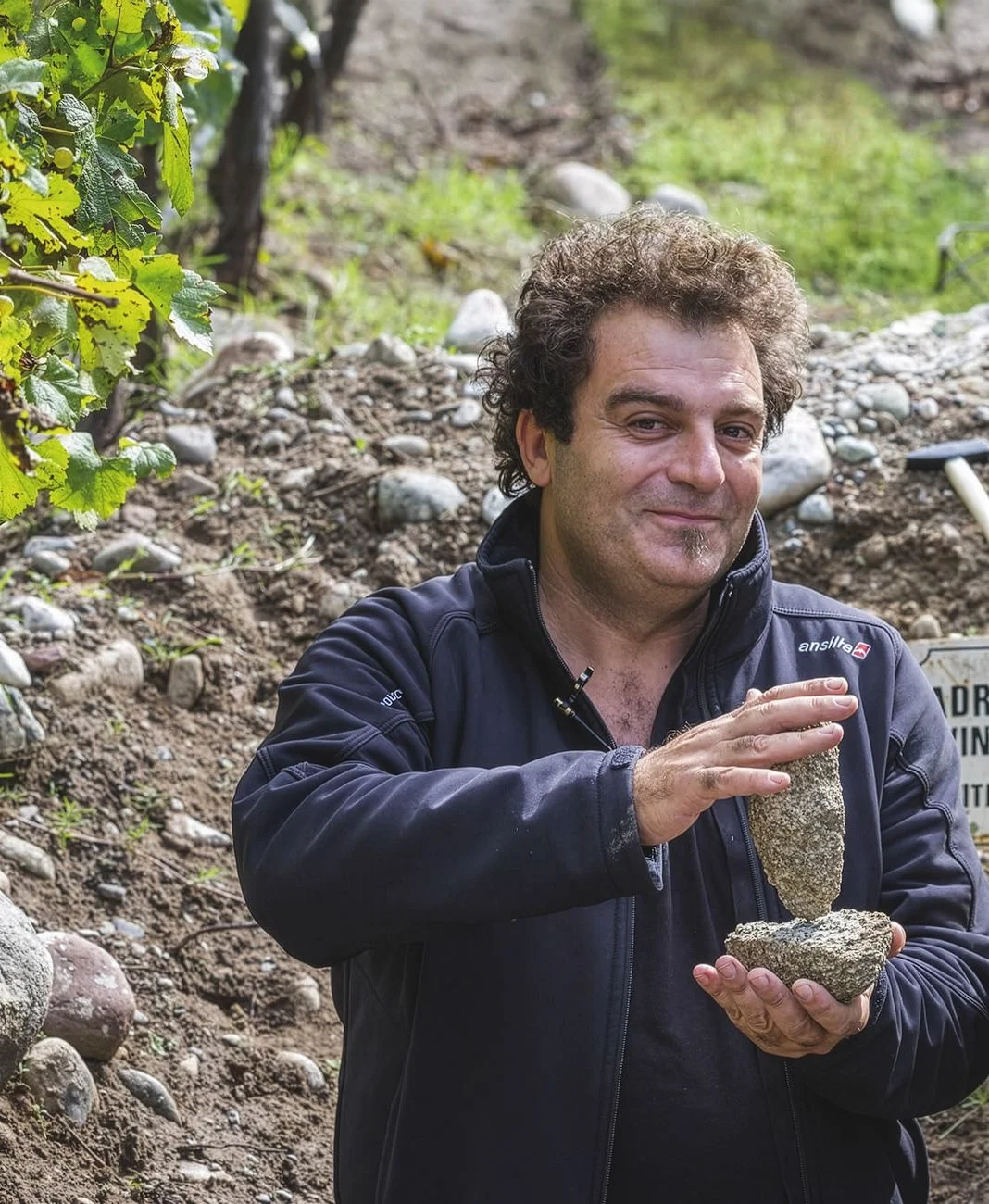
The term “cru,” typically associated with Burgundy, refers to designated vineyards known for producing high-quality wines rooted in centuries of experience. While Gualtallary, Paraje Altamira, and Los Chacayes may not technically fit the definition of "cru," they embody a growing discourse around the importance of terroir. This concept aligns more closely with the notion of "village wine" known in Burgundy, emphasizing a connection to place.
Zuccardi advises patience, cautioning against rushing to classify these regions too soon, as they lay the groundwork for what could define Argentine wine in the future. Vigil takes a more optimistic stance on incorporating “cru” as a concept, provided it encourages a focus on terroir without misleading consumers into thinking they've fully grasped these complex regions.
Stenwreth emphasizes the necessity for a place-based understanding of Argentine wine, aiming to move beyond simple categorization as merely "Argentine Malbec." As these emerging terroirs continue to develop, the narrative around Argentine wines will evolve—crafted carefully over years and shaped by the unique characteristics of each vineyard, one vintage at a time.


Discussion
Sign in to join the discussion.