Royal Tokaji’s 2019 single-vineyard Aszús showcase the unique terroirs of Tokaj through diverse flavor profiles and winemaking techniques.
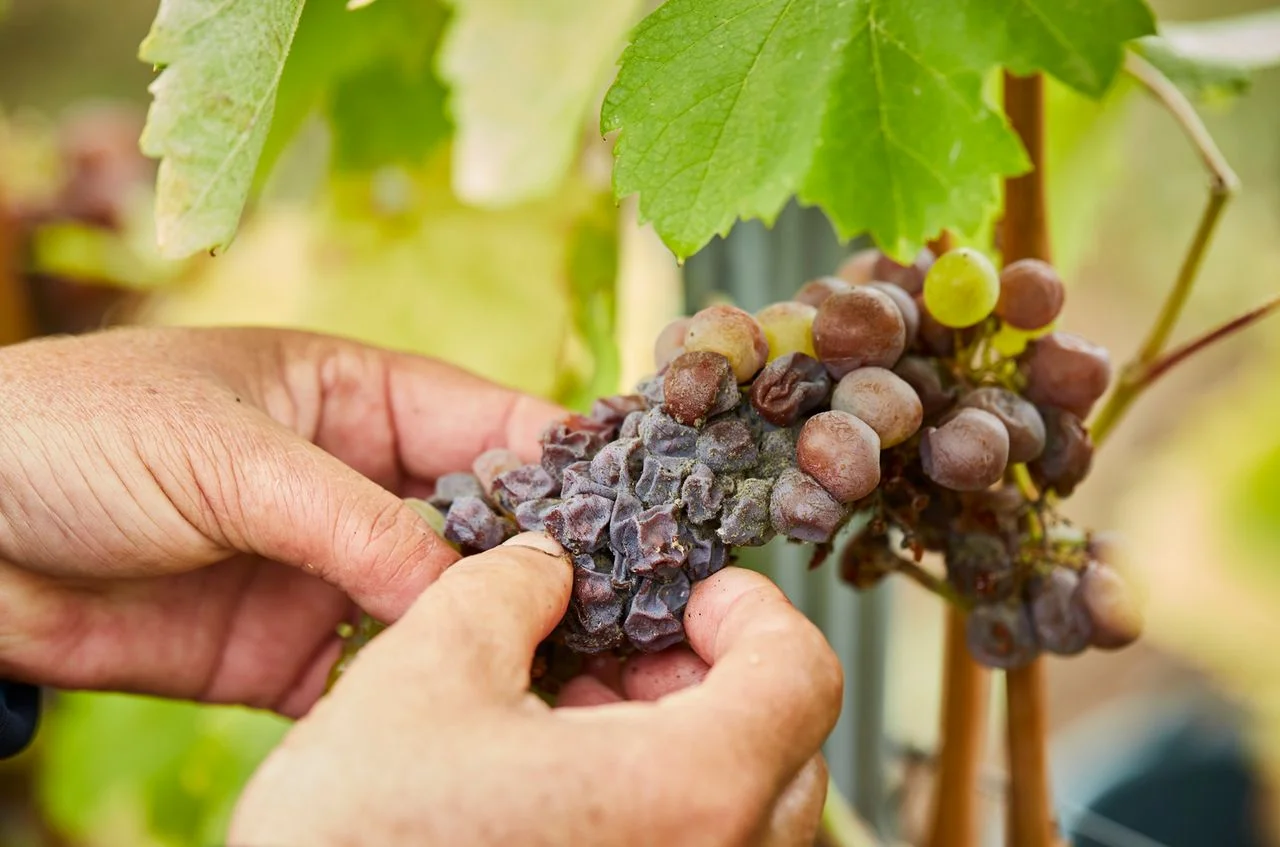
When you think of Tokaji Aszú, flavors like juicy pineapple, dried mango, and marmalade come to mind, often accented by sweet spices and chamomile. This blend of luscious sweetness and vibrant acidity defines Hungary's famed dessert wine. However, can the unique terroirs and vintage variations still stand out in such a distinctive style? Royal Tokaji's single-vineyard releases offer an intriguing glimpse into this question.
What Shapes the Flavors of Aszú
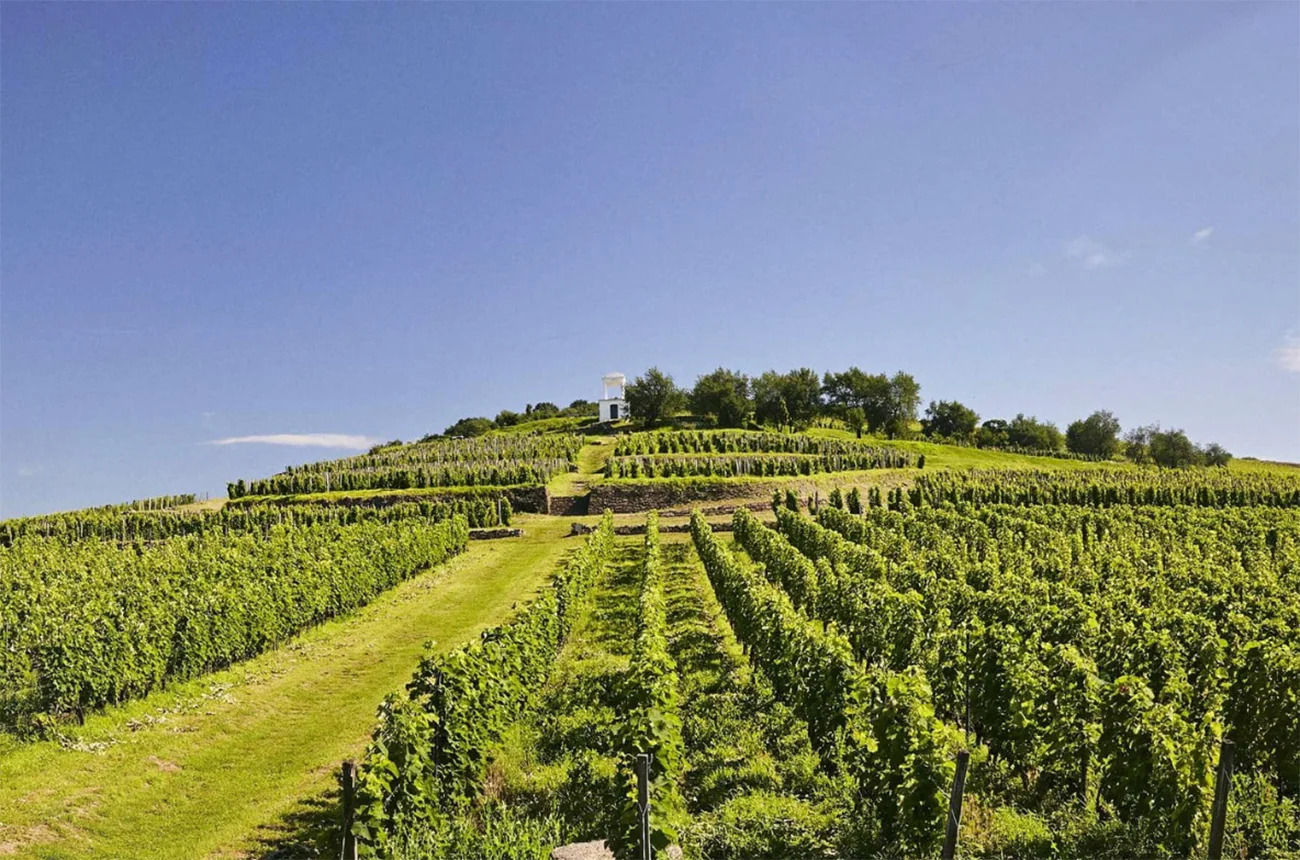
Founded in 1990 by renowned wine author and Decanter Hall of Fame member Hugh Johnson, Royal Tokaji is committed to a single-vineyard approach, producing both dry whites and sweet Aszús. The upcoming 2019 vintage will showcase selections from the estate's distinguished plots: Birsalmás, Nyulászó, Szt. Tamás, Betsek, and Mézes Mály, located in the commune of Mád.
Despite having launched single-vineyard Aszús in the 1990s, the estate’s releases haven’t been consistent. Following a break, the 2019 vintage is part of an unbroken series starting from 2016, excluding a gap for replanting in Birsalmás. I've had the chance to taste the last four vintages, each offering a captivating range of expressions—from mineral and lifted to complex and profound—demonstrating the significant influence of each vineyard's conditions.
Key factors shaping the wine’s profile include the quality of the fruit, the timing of noble rot (botrytis) infection, the chosen grape varieties—primarily the late-ripening Furmint—and Tokaj's cool climate, volcanic soils, and distinctive winemaking practices. As Caroline Gilby MW highlights in her Tokaji Aszú vintage guide, these elements are critical in crafting these enticingly sweet yet vibrant wines.
The 2019 Vintage
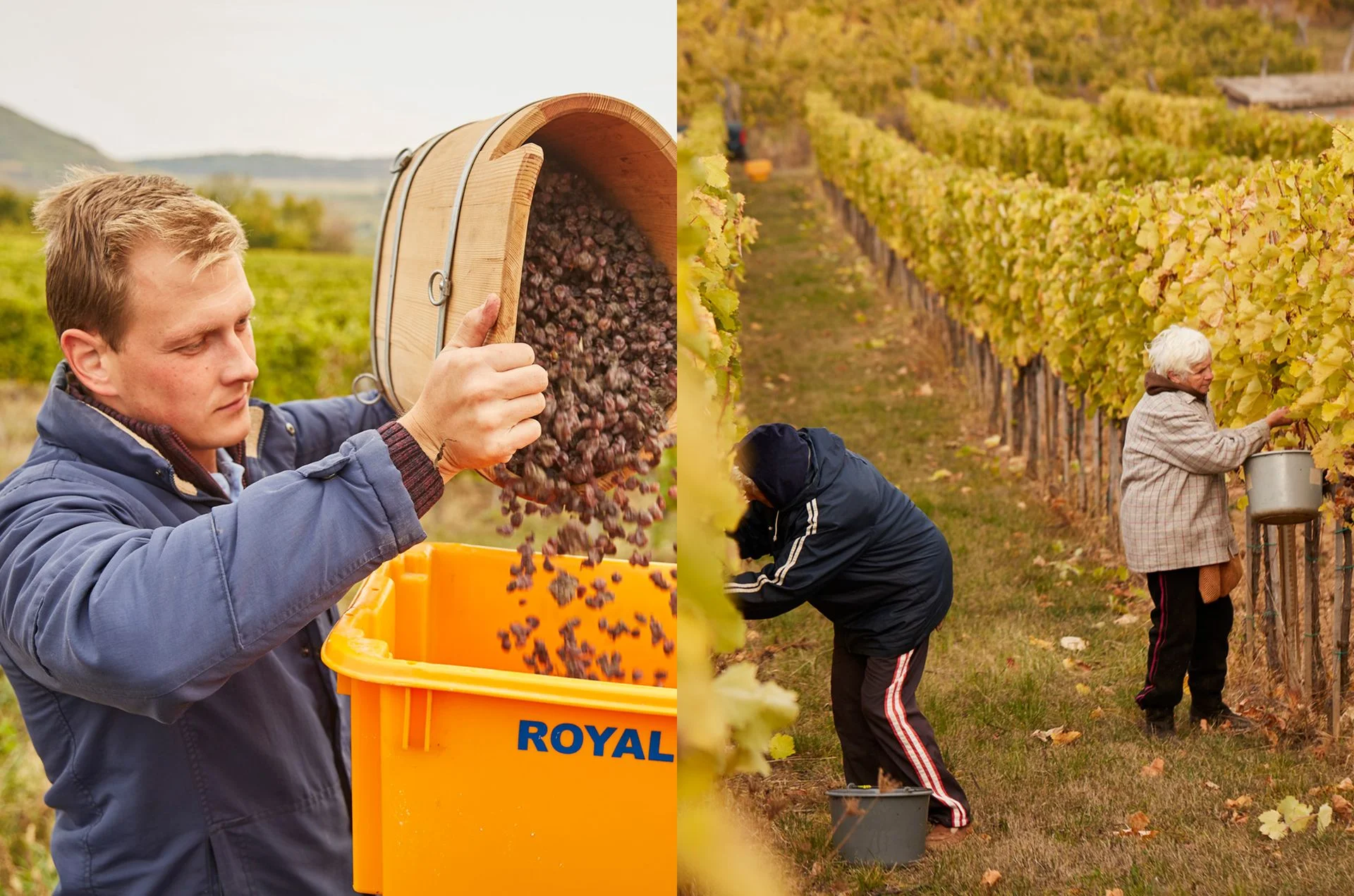
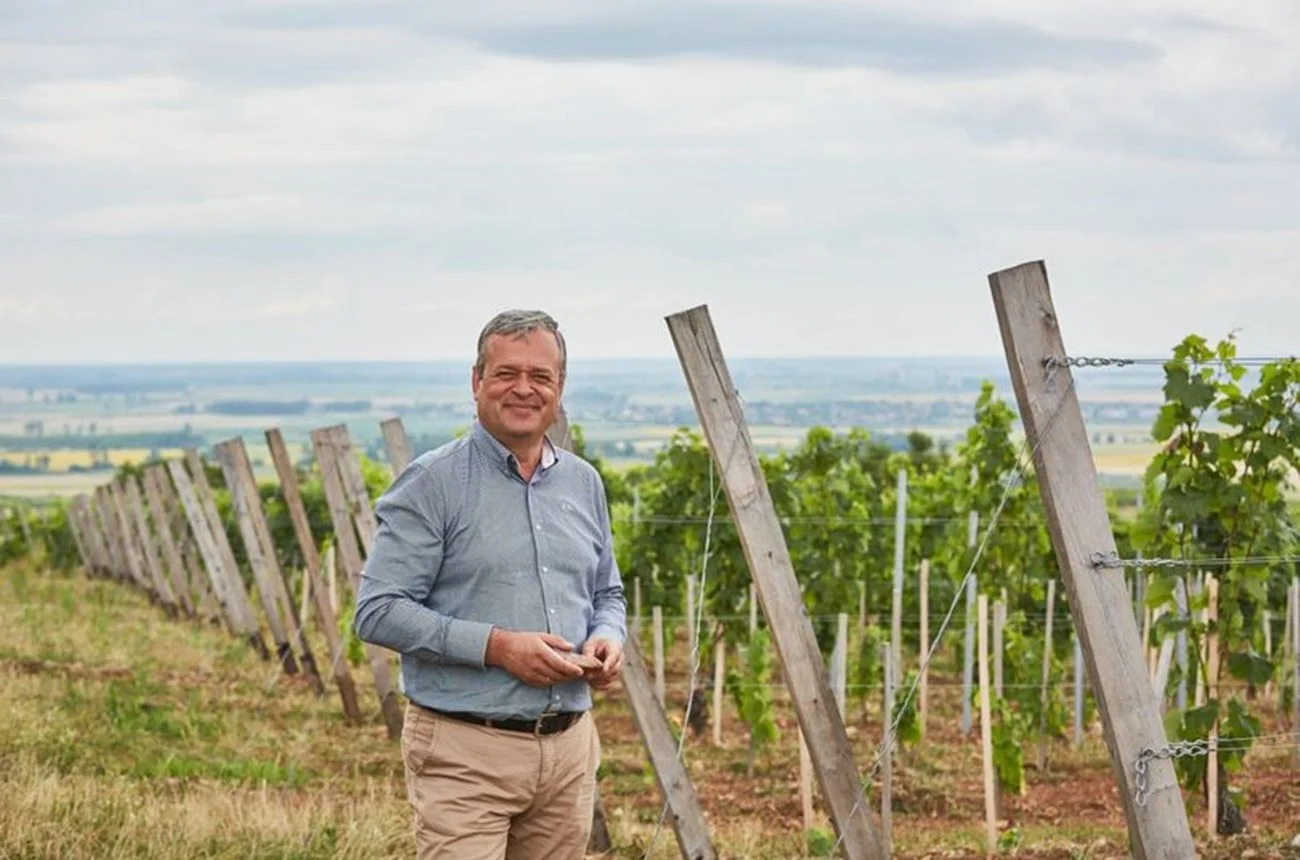
The 2019 vintage began with a cool spring, followed by a blistering summer with temperatures soaring to a scorching 35˚C. This set the stage for early ripening. However, by the beginning of September, director Zoltán Kovács reported dismay as the dry conditions left no sign of Aszú. Fortunately, rainfall in mid-September, paired with the warm weather, ignited the noble rot, leading to a fruitful harvest. While late October rain curtailed the picking window, Royal Tokaji still managed to gather 'rich and clean' fruit for their single-vineyard Aszús, starting with Nyulászó and concluding at Szt. Tamás.
The Aszú Winemaking Process
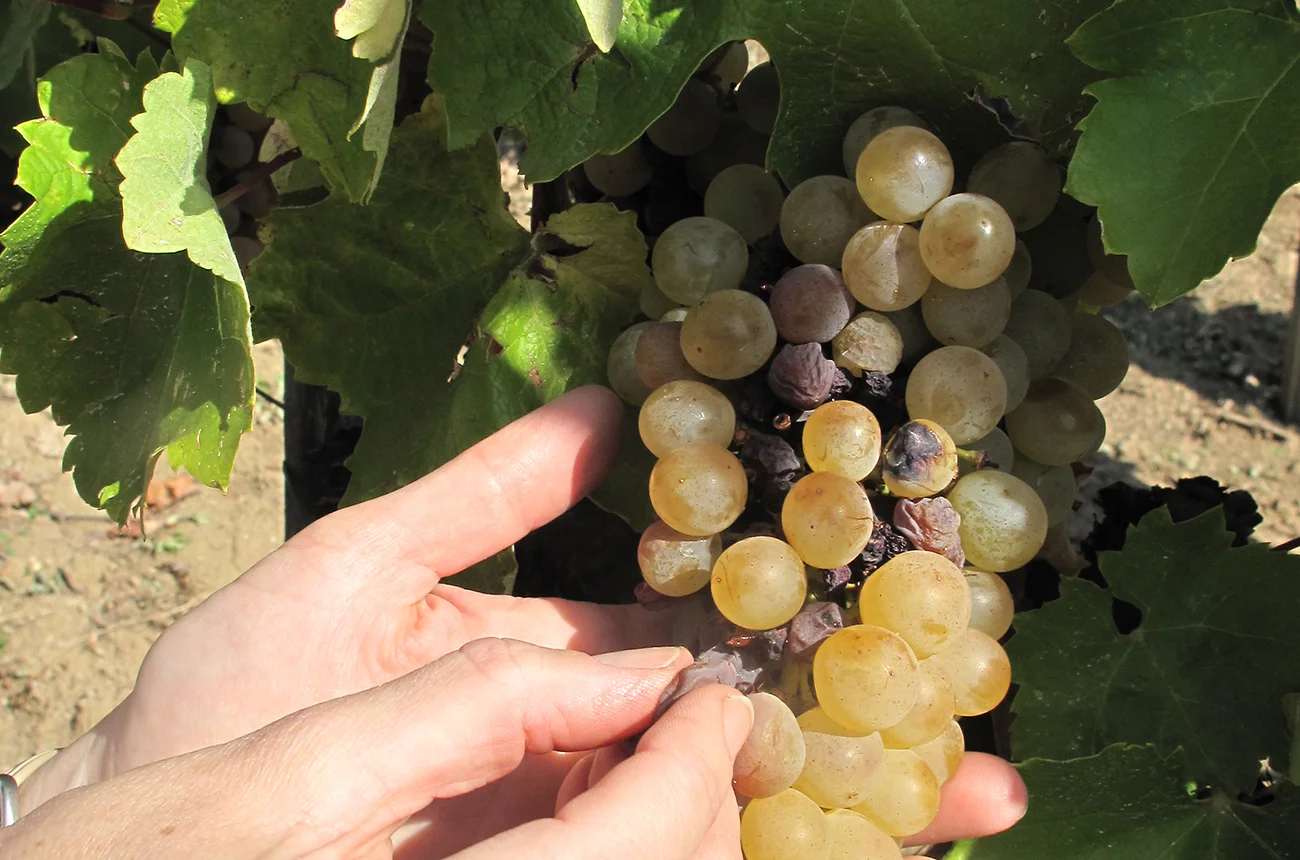
The Aszú winemaking begins with shriveled grapes that are macerated in a base of grape must, fermenting must, or young wine to harness the flavors of botrytis and its inherent sugars. At Royal Tokaji, the base wine ferments to an alcohol level of 5-6% before the addition of Aszú berries, which undergo a two-day maceration in the still-fermenting must.
Following pressing, an interesting step differentiates Royal Tokaji’s single-vineyard Aszús—fermentation occurs in Hungarian oak, with 30% new wood for the 2019 vintage. This practice was adopted in 2017 to enhance complexity and depth, aligning with Zoltán Kovács’s vision. The Aszús are then aged on fine lees in oak barrels sourced from the Zemplén Hills, ensuring that the unique characteristics of each vineyard are accentuated through consistent vinification methods.
Highlights from the 2019 Release
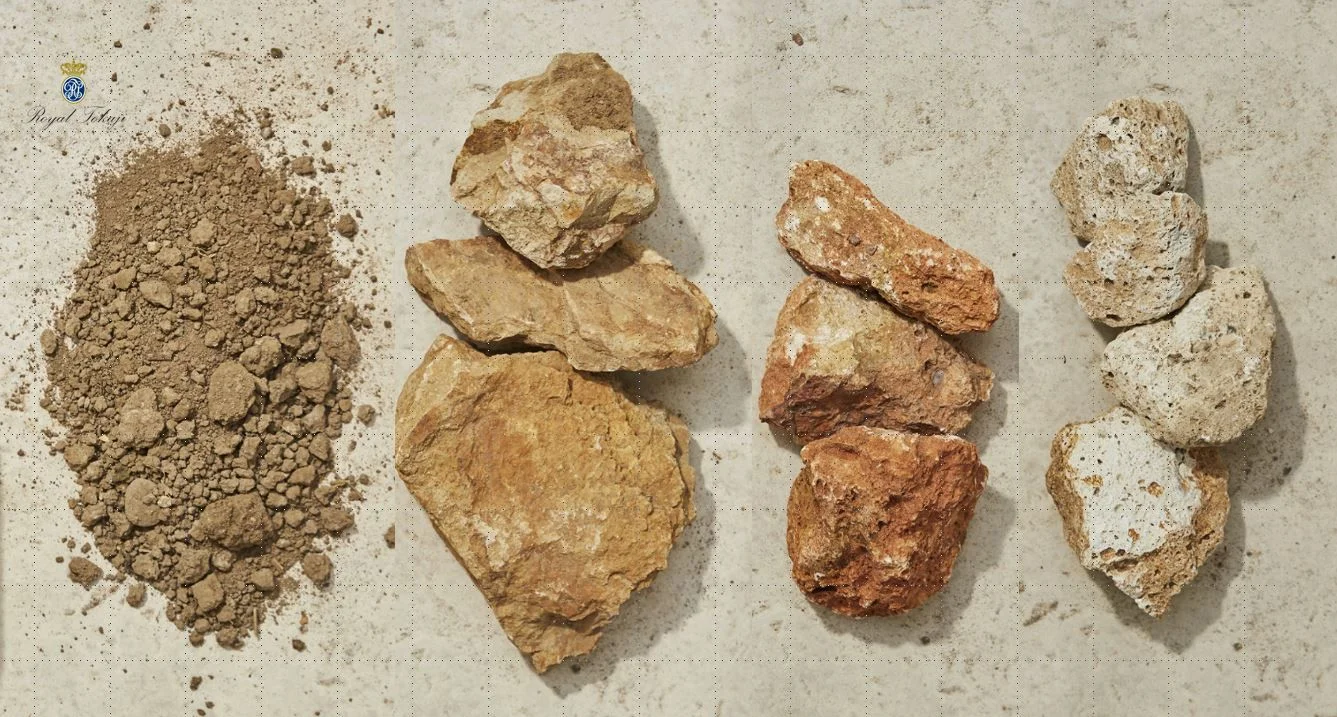
Among the standout wines from the 2019 release, the Nyulászó (meaning "a good place to catch hares") truly impressed me. It boasts volcanic bedrock layered with brown clay and rhyolite tuff, delivering layered complexity and delicate dried-floral notes that harmonize with bright acidity, resulting in an enduring finish. This wine invites leisurely enjoyment, best paired with a favorite book.
The Szt. Tamás offers a vinous, dried fruit aroma with a surprising zesty freshness on the palate, while the Betsek from the Mád basin presents an intriguing spiciness and herbal undertones, complemented by its pure fruit expression and lower alcohol content in this 2019 lineup.
A Warming Globe and Its Impact on Aszú Production
As extreme heatwaves grip Europe, with Hungary recently recording a staggering 42°C, the 2026 harvest poses potential challenges for Aszú production as high temperatures and low humidity may affect botrytis development. However, Kovács believes that autumn rains could still significantly alter the scenario, highlighting the unpredictability of harvest conditions. "In Tokaj during harvest time, you don’t need to rush; waiting for the right moment is crucial," he states.
For dry wines, the vineyard plantings lower down and those facing east to northeast tend to show resilience against heat. At the same time, Kovács feels reassured that Royal Tokaji will adapt using available resources to navigate the challenges posed by climate change, without needing immediate operational alterations.
Royal Tokaji Aszú 2019
Related Articles
Tokaji Aszú: Decanter Vintage Guide
Tokaji Sweetness: What is Aszú and Why is it Special?


Discussion
Sign in to join the discussion.