From 2016’s consistency to 1966’s mature classics, Bordeaux vintages ending in 6 offer sharp contrasts across regions and decades.
Six vintages, sharply different stories
Bordeaux vintages ending in 6 resist a simple ranking. The newest, 2016, is notable for its consistency and balance; 1996 stands out on the Médoc’s Left Bank; and 1976’s strongest wines come from Sauternes and Barsac. Looking further back, 1966 offers mature wines with unusual consistency, while 1986 rewards patience and careful selection. The broader lesson is that the year alone tells only part of the story: the bank, appellation and producer matter just as much.
For drinkers choosing among these vintages, 2016 looks like the most dependable place to start across a wide range of estates. Older bottles call for a more selective approach, particularly when firm tannins or uneven conditions have shaped their development. Provenance and storage matter increasingly with age.
2016: balance across the board
After tasting more than 80 leading wines at the vintage’s 10-year mark, the impression was of rare consistency and striking quality. There’s debate over whether the very best bottles reach the heights of the greatest Bordeaux vintages, but that distinction may matter less than the vintage’s broad strength. Across the region, 2016s are poised, balanced wines built to age.
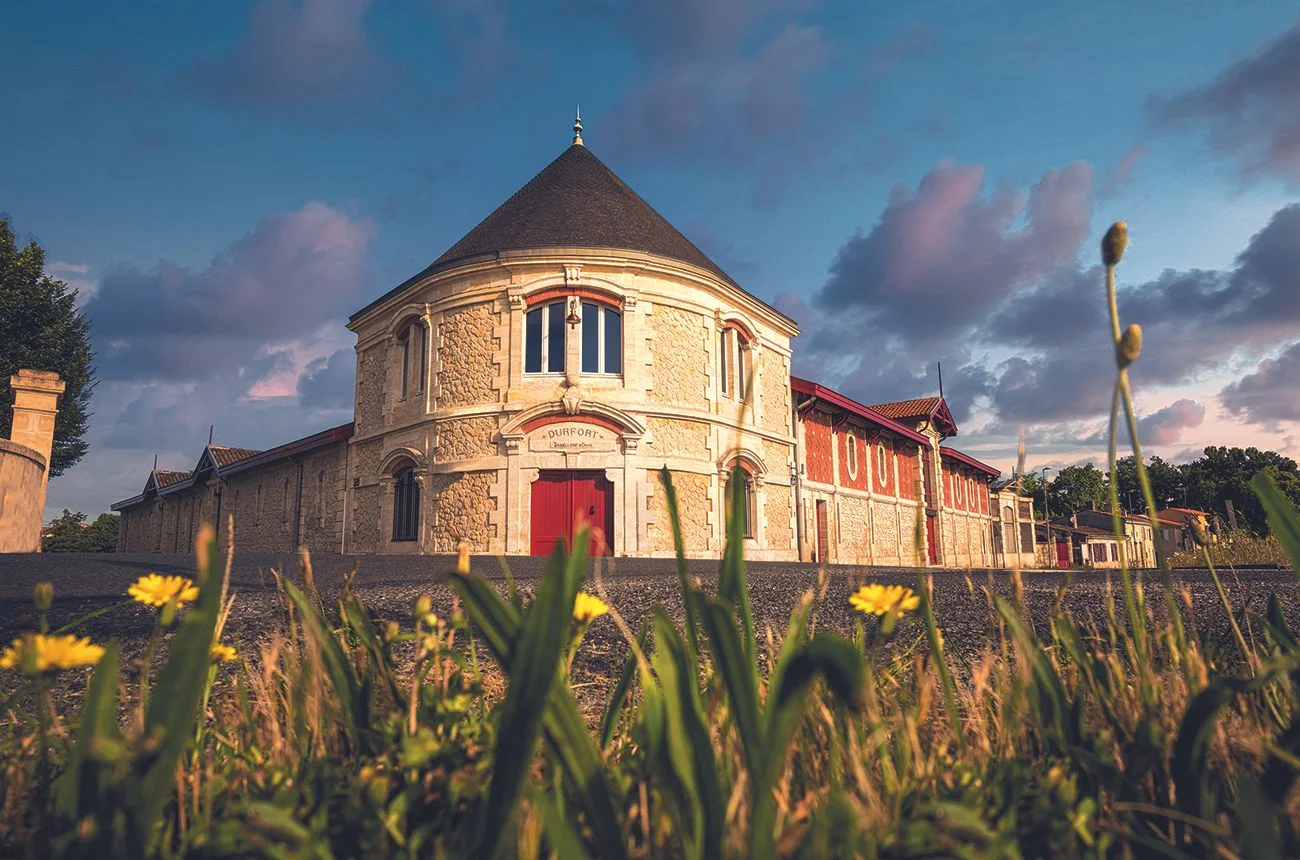
The established names delivered, while Durfort Vivens and Calon Ségur deserve particular attention for what may be the finest wines either estate has produced. For buyers, the appeal lies in how widely the quality extends: the vintage offers compelling choices at different levels, subject to budget and availability.
2006: traditional claret with a right-bank edge
Opinions on 2006 vary, but its more restrained style makes it a rewarding vintage for drinkers who favour traditional claret over sheer exuberance. The Left Bank wines tend to be linear and well made; the Right Bank can be stronger in places. Compared with 2004 and 2007, 2006 brings more weight without abandoning structure.
Mouton Rothschild is the standout, with a quality that puts it in contention with the decade’s celebrated 2000, 2005 and 2009 vintages. On the Right Bank, La Conseillante overdelivers, while Cheval Blanc and Le Pin produced memorable wines. The vintage’s appeal rests on definition and classic form, rather than a uniformly lavish style.
1996: the Médoc in its element
For the Left Bank, 1996 is the decade’s leading vintage: Médoc estates made expressive wines that reflect their appellations. The Right Bank is less consistent, though St-Émilion and Pomerol are far from write-offs. Here, picking by producer matters more than the vintage’s reputation alone.
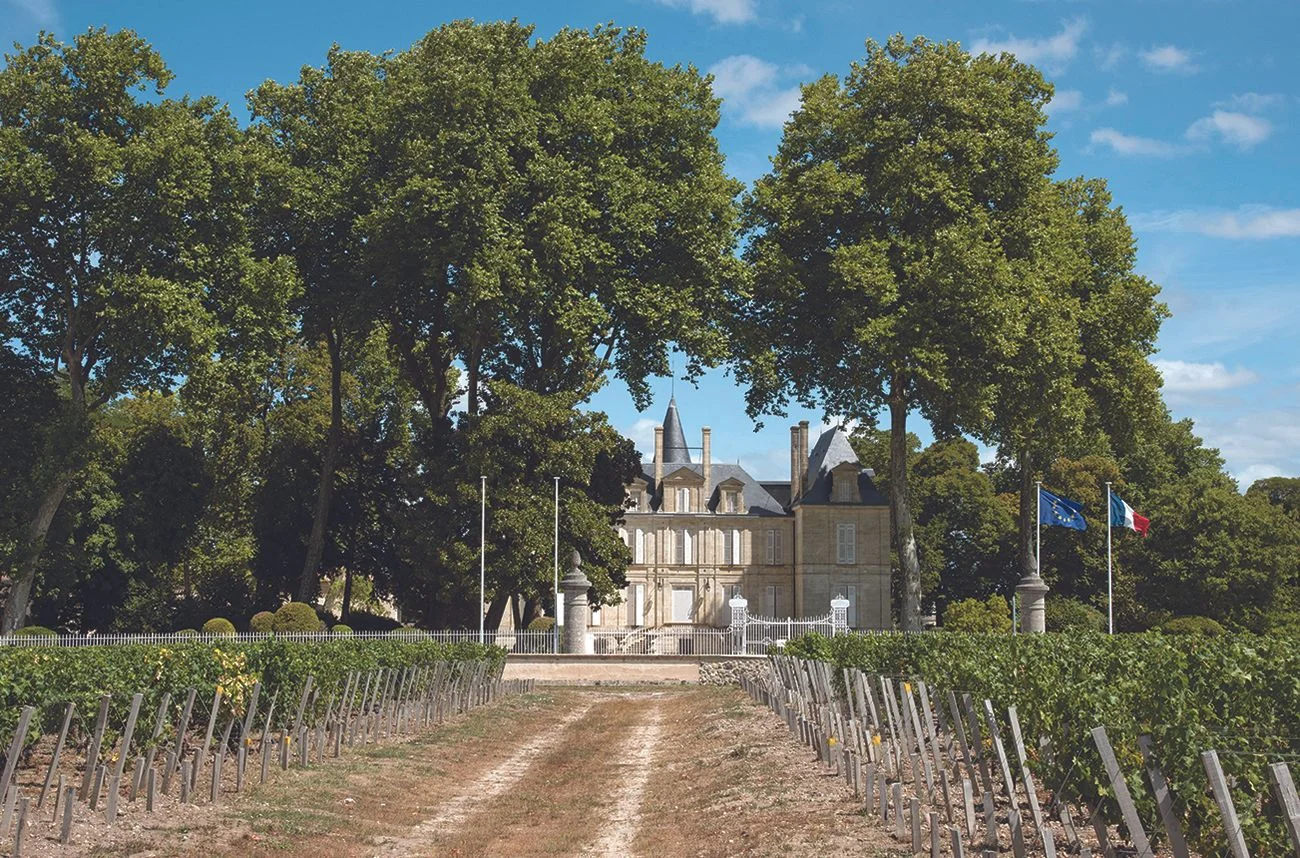
Latour offers power; Lafite Rothschild makes the more elegant case. Pichon Comtesse is close behind. For a classic Pauillac profile, consider Batailley, Grand-Puy-Lacoste and Lynch-Bages. Léoville Las Cases remains a formidable, backward wine that needs more time, while Montrose and Calon Ségur in St-Estèphe are drinking well now.
The breadth of strong Médoc wines is the point: well-stored bottles from a range of estates can reward exploration, including those outside the most famous names. The vintage gives collectors a useful chance to compare how different appellations express a strong year.
1986: great longevity, uneven returns
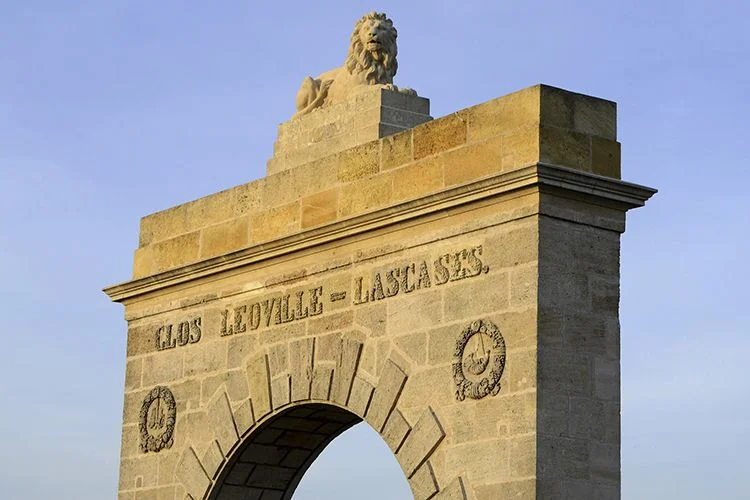
The high expectations attached to 1986 haven’t been matched by every bottle. The vintage produced exceptional wines, but its firm structure can outlast the fruit in less concentrated examples. Some are austere and drying; others remain closed after four decades, with no guarantee they’ll fully open.
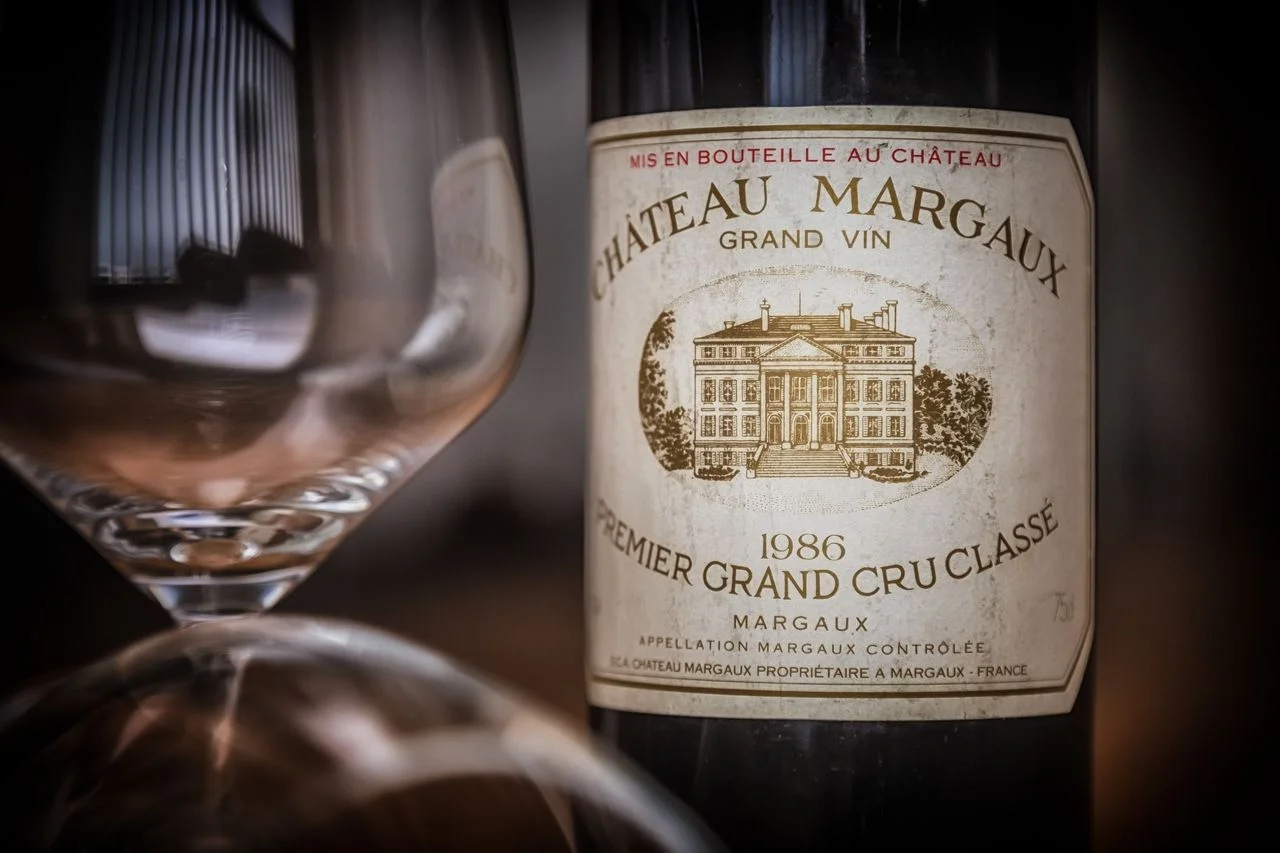
At the top, Mouton Rothschild, Lafite Rothschild and Léoville Las Cases are mature Bordeaux at world-class level. Margaux and Palmer belong in that company, too. For more accessible choices, Gruaud-Larose, Pichon Comtesse, Talbot and Lynch-Bages are standouts on the Left Bank. The Right Bank has fewer successes, though Vieux Château Certan remains a personal favourite.
That split between enduring great wines and less successful bottles is central to 1986. Its best examples have the structure to age for a century; the vintage’s reputation shouldn’t be taken as a guarantee for every château.
1976: heat favoured sweet wines
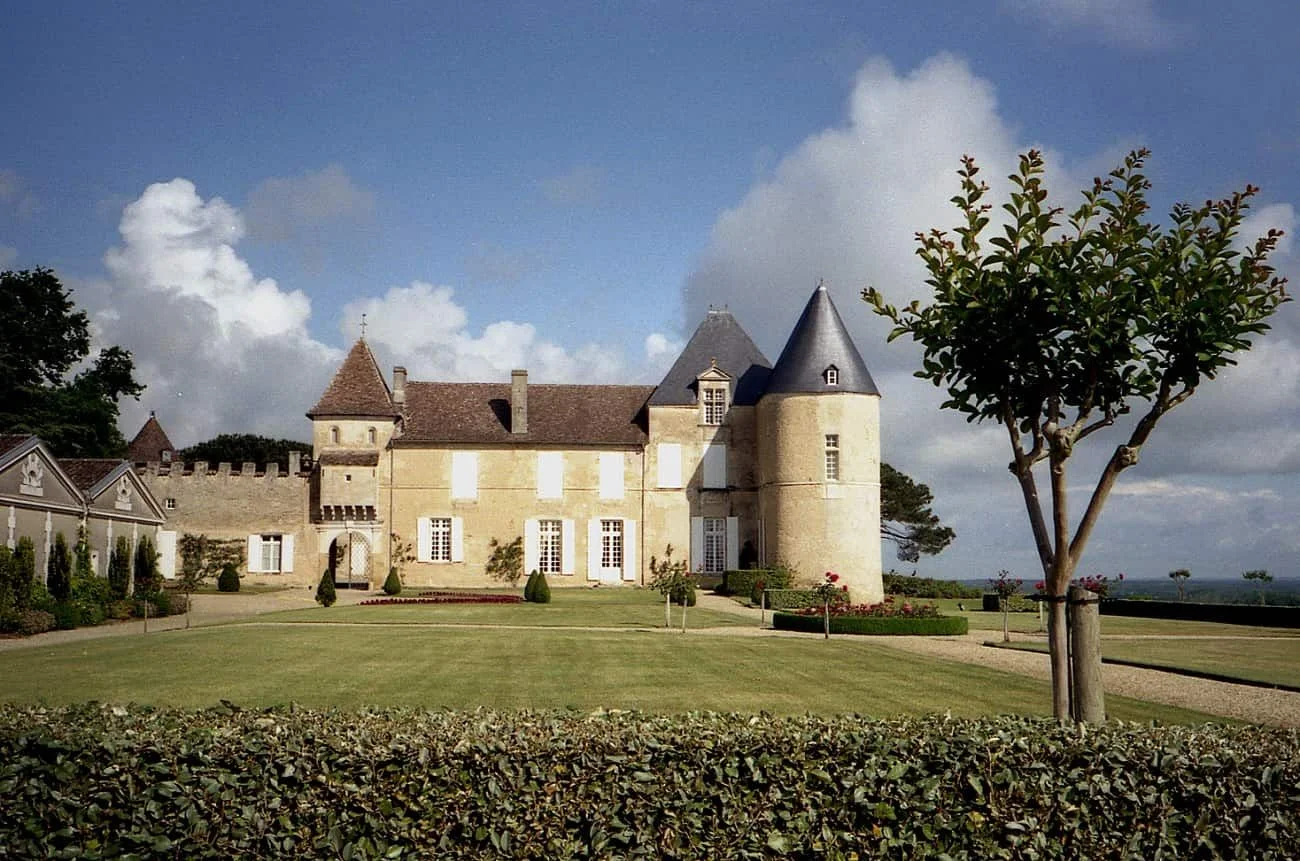
The summer’s notorious heat didn’t automatically translate into great Bordeaux. In a decade when ripeness was already difficult to achieve, excessive heat created a different challenge. There are satisfying dry reds, but few rise to greatness beyond the sweet wines of Sauternes and Barsac.
Duhart-Milon and Lafite Rothschild can be delicious without being profound. Cheval Blanc is the Right Bank’s strongest example, while Haut-Brion and La Mission Haut-Brion remain very good. The clear leader is Yquem, an almost perfect wine; Climens and Coutet also excel. For this vintage, a well-kept bottle from Sauternes or Barsac is the safest bet.
1966: mature Bordeaux with unusual consistency
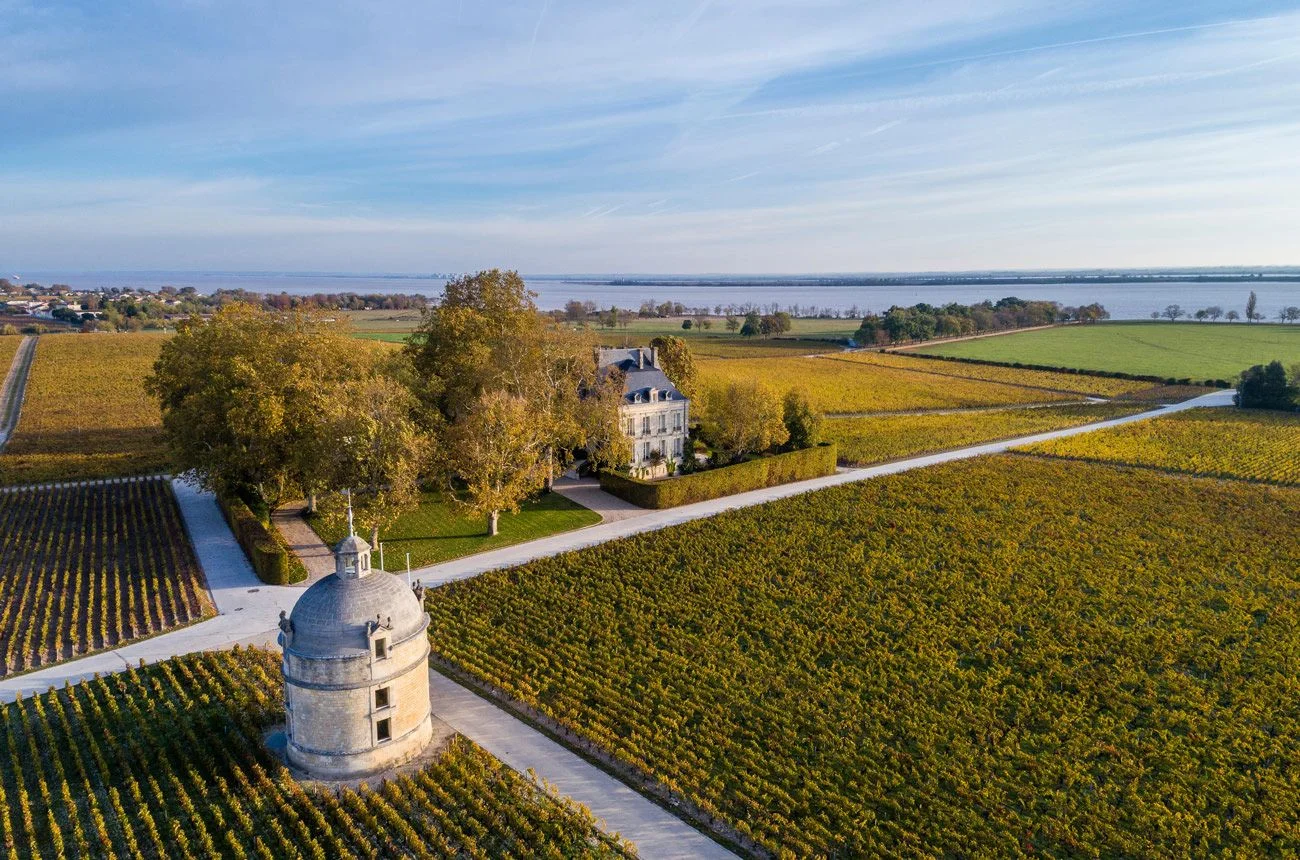
Overshadowed by the stronger reputation of 1961 and 1964, 1966 is an easy vintage to overlook. Yet it delivered solid wines across the region, many of which have aged remarkably well. It may not match 1961 on the Right Bank, but consistency is one of its strengths.
Latour leads the vintage, with Pichon Comtesse and Léoville Las Cases close behind. Gruaud-Larose, Lafite Rothschild, Haut-Brion, La Mission Haut-Brion and Cos d’Estournel all offer fine examples of mature Bordeaux. On the Right Bank, Cheval Blanc presses Latour for the top spot. In Sauternes, a remembered magnum of Lafaurie-Peyraguey was outstanding—a reminder of how well these wines can age.
Still older vintages offer a different prospect. The 1956, 1946 and 1936 years have few surviving bottles that are likely to show well. By contrast, 1926 ranks among the finest vintages of its era. In every case, the bottle’s condition will shape the experience. The sixes reward a clear-eyed approach: trust the producer and region, and let the year guide rather than dictate the choice.
Related articles

Bordeaux's 2016 vintage: Revisiting & retasting 10 years on
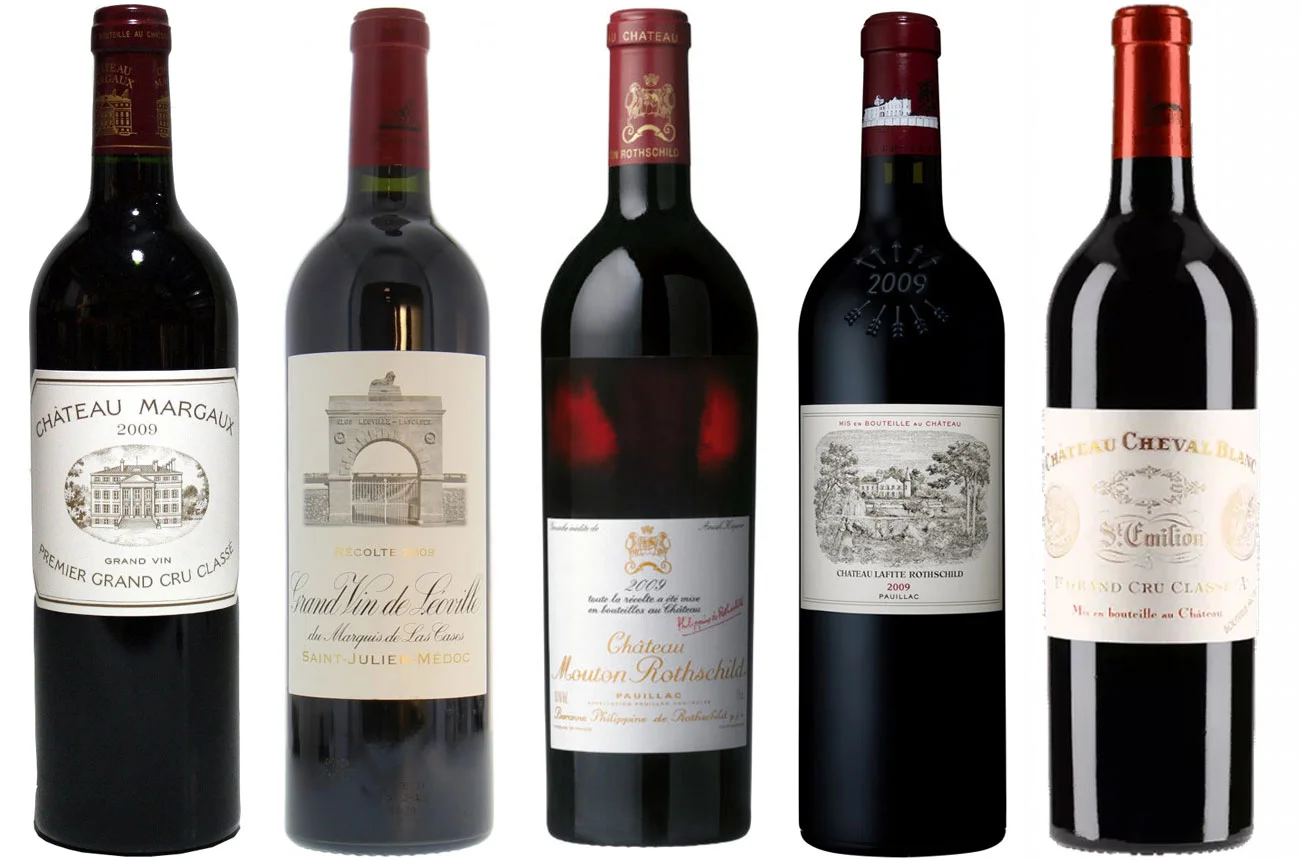
Why 2009 Bordeaux is still a reference for joyful modern classicism
Discussion
Sign in to join the discussion.