Trader Joe's latest no-bake Basque cheesecake is attracting rave reviews for its unique flavor, despite its small size and premium price.
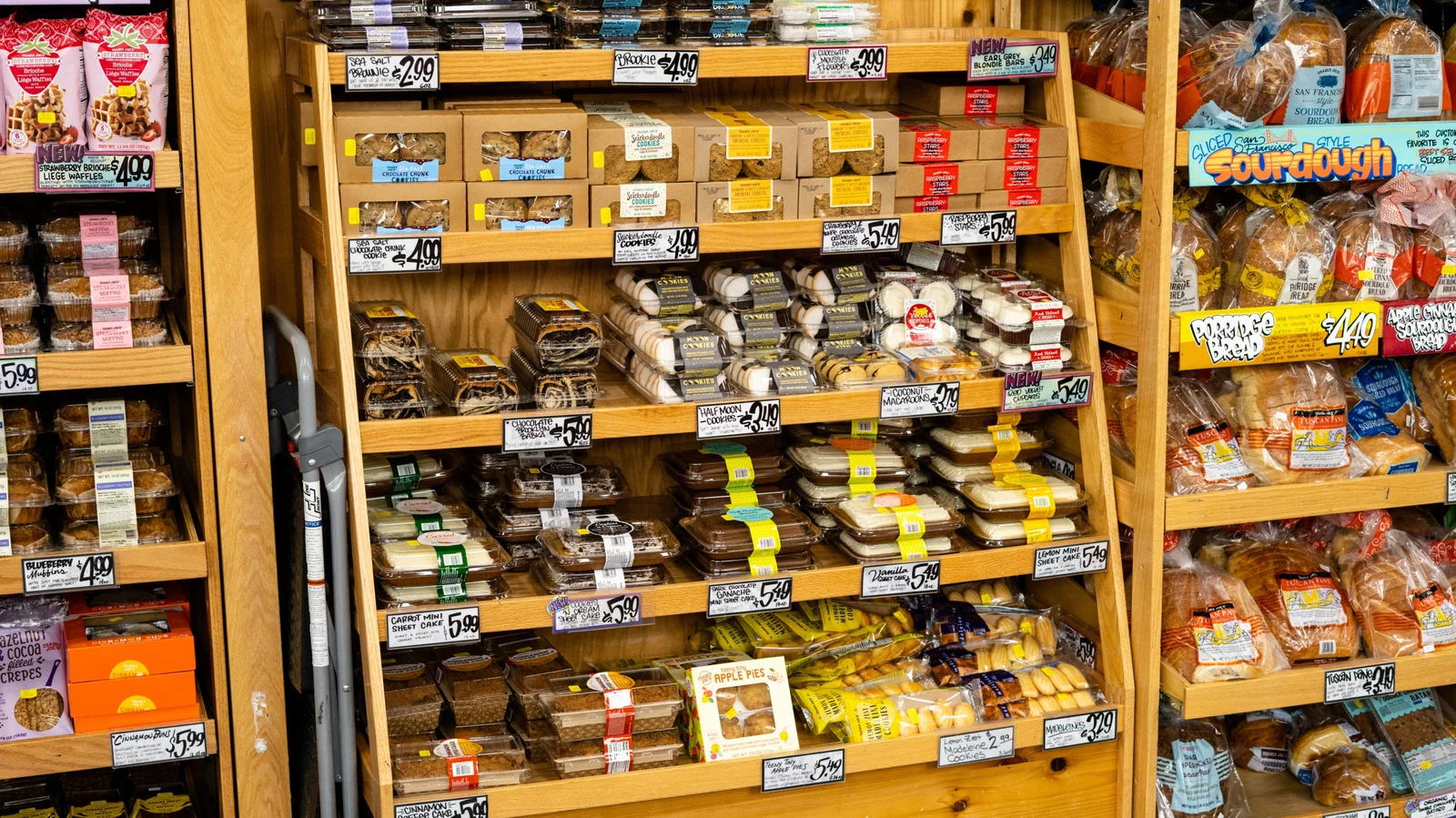
Trader Joe's has introduced a new no-bake dessert inspired by the Basque region of Spain: the Basque-style cheesecake. Unlike traditional cheesecakes, these versions have a distinctive burnt exterior and lack a crust, making them stand out on grocery store shelves. Shoppers eager for a taste can find these treats in the freezer section, and early feedback indicates that customers are thoroughly impressed.
Recent discussions on Reddit have celebrated the cheesecake’s flavor, with one shopper declaring it "utterly delicious." Another user lamented they should have purchased more than one package, suggesting high demand for this new item. However, some customers have commented on the cheesecake’s portion size and price; a 5.63-ounce package contains two small cheesecakes and retails for $4.99. This raises eyebrows when compared to other offerings, such as Trader Joe's 30-ounce pumpkin cheesecake priced at $8.99.
Understanding Basque Cheesecake
So, what makes Basque cheesecake different from its American counterpart? The absence of a crust is the most notable feature. Typically, this style contains just cream cheese, eggs, cream, sugar, and a bit of flour. Baked at high temperatures, these cakes achieve both a creamy and airy texture, which many find appealing. The original recipe traces back to La Viña, a renowned restaurant in San Sebastián that has been crafting this dessert since 1959. Its growing popularity has even prompted adaptations at establishments like The Cheesecake Factory.
This variation creates a unique eating experience. The caramelized exterior contrasts with the velvety interior, offering two distinct textures in a single slice. And that’s not just a gimmick. That complexity is part of what’s driving the current culinary interest in artisanal desserts, as consumers increasingly crave authentic and unique flavor profiles. You'll find that culinary trends often originate from specific cultural roots before being adapted across regions. In this case, the Basque cheesecake is no exception, having established a cult following beyond Spain.
While you can certainly attempt to replicate the Basque cheesecake at home, many find joy in discovering artisanal versions, such as those offered at select high-end spots. Dressed up with a topping like apple spread or pumpkin sauce plus a sprinkle of cinnamon, it seems these cheesecakes are already a seasonal hit. The growing market for these types of unique desserts points to a larger consumer appetite for food experiences that are distinctive and Instagrammable. Plus, with the increasing rise of the plant-based trend, you may even see variations of Basque cheesecake catered to those dietary choices.
The Price Point Debate
The introduction of Trader Joe's Basque-style cheesecake has stirred discussions not just around its flavor and composition, but also its pricing structure. At $4.99 for two small cheesecakes, some customers find it a little steep, especially when compared to Trader Joe's own larger offerings. Premium prices often come with higher expectations. If you're working in this space, you know how crucial understanding consumer perception is for a product's success.
Despite the initial positive reception, the size-to-price ratio raises valid questions. When you consider that one could purchase a much larger pumpkin cheesecake for just a few dollars more, the Basque cheesecake hangs in a precarious balance. Will the novelty factor hold firm against consumers who are increasingly mindful of costs? The perception of value is not just about taste; it's fundamentally tied to portion and pricing, and Trader Joe's may find that it's walking a tightrope.
In addition, if a product doesn't provide a distinct advantage—like a unique flavor or texture that couldn’t easily be found elsewhere—it risks falling into the “too expensive” category. With rising grocery costs affecting consumers more than ever, value propositions have shifted. The cheesecake’s popularity may hinge on how well it navigates these complex dynamics.
Significance and Future Outlook
The introduction of the Basque-style cheesecake at Trader Joe's is more significant than it looks. It highlights a broader trend of grocery stores diversifying their dessert selections, responding to evolving consumer tastes that are leaning toward authentic, international flavors. This isn't just about offering something that tastes good; it's about building an experience that evokes a connection to culinary traditions. And that’s valuable in today’s competitive food market.
As Trader Joe's continues to roll out unique products, it’ll be interesting to see how the popularity of this Basque cheesecake shapes customer preferences and influences future offerings. Will we see more international desserts making their way to grocery store shelves? Will other retailers follow suit, seeking to capture the same cultural cachet? The answers to these questions could redefine how food products are marketed and consumed.
From a business angle, retailers are paying closer attention to the cultural provenance of their products. If this cheesecake continues to perform well, it could inspire a wave of similar culinary explorations across the industry. And yet, the fluctuating consumer attitudes toward price and portion size remain a risk. Trader Joe's has successfully captured many niche markets in the past; whether they can sustain this particular trend may rely as much on how they adapt to customer feedback as on the taste of the cheesecake itself.

Discussion
Sign in to join the discussion.