Nestlé’s sales and U.S. volumes improved in the third quarter, but weakness in nutrition and pressure on consumer spending still challenge CEO Philipp Navratil’s reset.
A rebound with limits
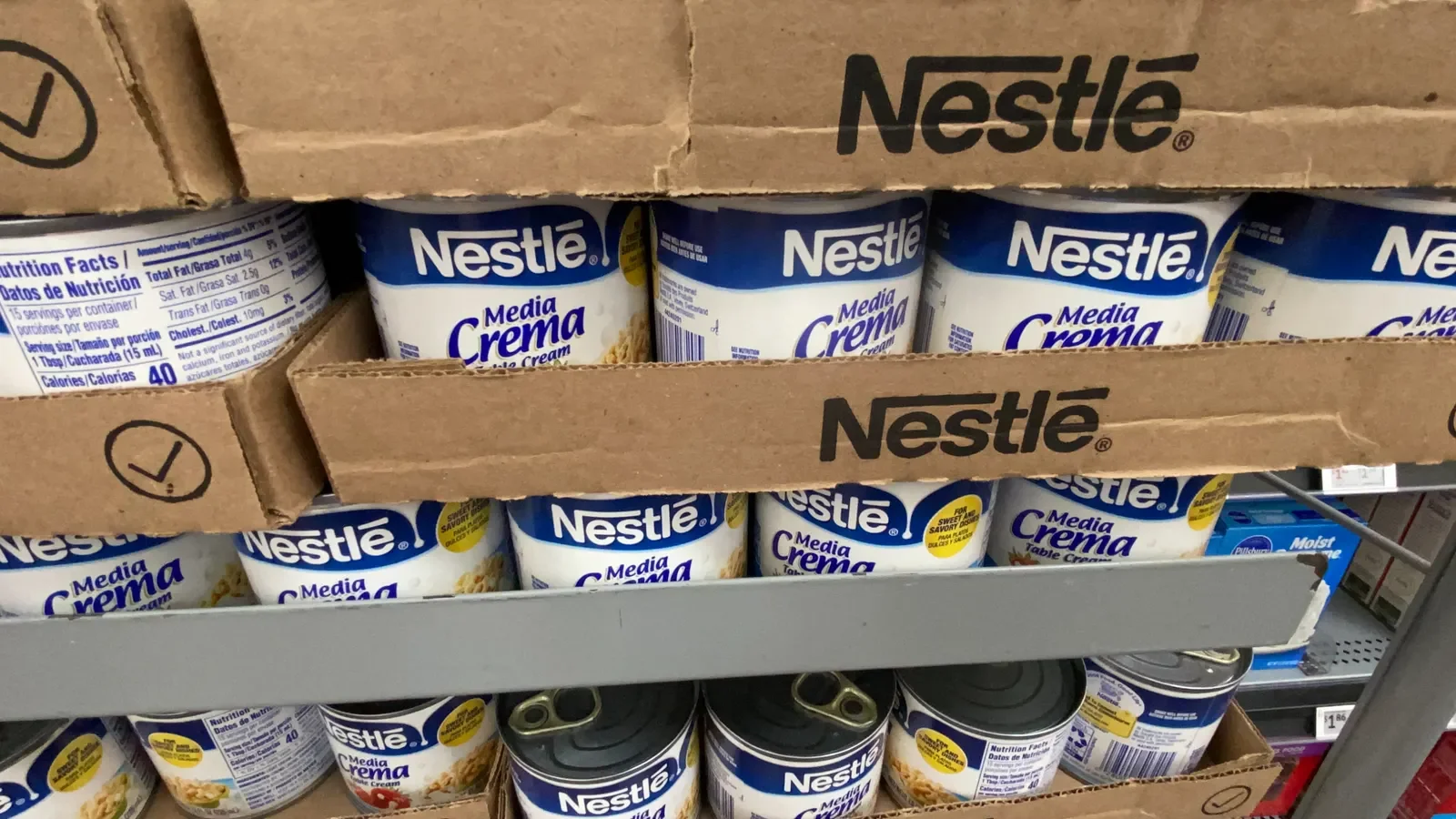
Nestlé’s third-quarter rebound suggests CEO Philipp Navratil’s reset is beginning to show up in sales, especially in the U.S. The improvement matters because it points to better volume alongside the company’s broader sales growth, rather than relying only on higher prices to lift results. But persistent weakness in nutrition and a strained consumer backdrop leave the company with more to prove.
The food group reported $27.69 billion in sales, or 22.756 billion Swiss francs, for the quarter. Organic sales grew 4%, while real internal growth—a measure of volume—reached 1.8% in North America. That compares with a 0.6% decline in the region during the previous quarter, a meaningful change in direction even if one quarter can’t establish a durable recovery.
Navratil, who took the top job in September 2025, said the company’s organizational changes and financial results were starting to improve. “I am pleased with our progress, but I'm not satisfied,” he told analysts, adding that Nestlé still needs to deliver more of its business potential through consistent execution. The distinction matters: the results suggest some changes are taking hold, while the CEO’s own assessment signals that management sees the work as unfinished.
U.S. brands show mixed momentum
Nestlé’s largest market is producing signs of recovery across several categories. Pet care remains strong, the company said, while Nescafé and its Starbucks coffee products are rebounding after price increases earlier this year. That mix suggests the improvement isn’t confined to one type of product, though a rebound after pricing changes doesn’t by itself show whether consumers will keep buying at the same pace.
Food and snacks also posted what Nestlé called “strong growth.” Confectionery improved, and frozen brands including Stouffer’s and DiGiorno gained market share. Those results offer a lift for a portfolio that includes some of the company’s most visible U.S. products, from Hot Pockets to Nespresso. Market-share gains can indicate that a brand is holding its place against rivals, but they don’t erase the pressure consumers face when everyday purchases cost more.
Gerber and the broader nutrition business remain a weak spot. Navratil said the unit “underperformed our potential” in the quarter. Gerber launched a hydration drink for children in September, part of an effort to revive the century-old brand. A launch gives the business a new product to put in front of shoppers; it doesn’t yet show whether the product can change the category’s sales performance.
Portfolio changes accompany the sales push
Navratil has paired a focus on product launches with plans to exit slower-growth businesses. Nestlé has sold its premium waters unit, the remaining portion of its ice cream business and some vitamins, minerals and supplements brands. The departures narrow the portfolio, which can make it easier for management to focus attention on businesses it sees as better positioned for growth. They also put more weight on the remaining categories to deliver.
The company also plans to eliminate 16,000 jobs—about 6% of its global workforce—over two years. The moves come as Nestlé confronts softer consumer spending, tariff uncertainty and volatile commodity costs, while parts of its portfolio have lagged competitors. Cost reductions may help the company adjust to that pressure, but they don’t directly answer whether its brands can attract shoppers or sustain volume growth.
The operating environment remains difficult across packaged food. Conagra Brands said in September it planned price increases as shipping costs stayed high. PepsiCo has also said it would raise prices on some chips amid higher energy and agricultural costs, after cutting prices on some snacks in February to stimulate demand. The pattern shows the tension facing food companies: raising prices can help cover costs, while pulling them back may be needed to keep shoppers from switching or buying less.
Pricing remains a delicate call
Nestlé raised prices significantly on coffee and confectionery last year as coffee and cocoa costs surged. CFO Anna Manz said some input costs are again facing “upward pressure.” The company may raise prices where it can do so without hurting medium-term consumer penetration. That qualification is central to the strategy: higher prices can protect revenue in the short term, but the company has to judge how much consumers will tolerate before demand weakens.
Manz had recently described Nestlé’s North American performance as unsatisfactory, saying execution needed to improve. On the latest earnings call, she pointed to better metrics as evidence of progress. “The US consumer is increasingly challenged, but our results show that our execution is improving and we are delivering performance despite a tough market,” she said. The improvement is encouraging, though it leaves an open question about how much of the better showing can continue as consumers remain under pressure.
The next test is consistency
The quarter gives Nestlé’s turnaround a firmer footing, with higher volumes and market-share gains in parts of the U.S. business. This is more significant than it looks: recovering volume can make growth less dependent on price increases, a useful shift when consumers are already scrutinizing what they spend. And yet, the gains remain uneven, with nutrition still falling short and the company acknowledging that execution needs to improve.
For investors and competitors watching the business, the clearest evidence will be whether improvement reaches more categories and persists beyond a single quarter. If you’re working in this space, the same tension is familiar: cost pressures push companies toward price increases, while customer resistance makes volume harder to sustain. Here’s the thing: Nestlé’s results show progress, but they don’t yet settle whether the reset can deliver consistent growth across its portfolio. The sales rebound is a start. The harder part is keeping it.
Still a test of execution.
Discussion
Sign in to join the discussion.