Row 7’s Poulette Potato, bred from French heirloom and New York varieties, is now sold at select Whole Foods locations across three states.
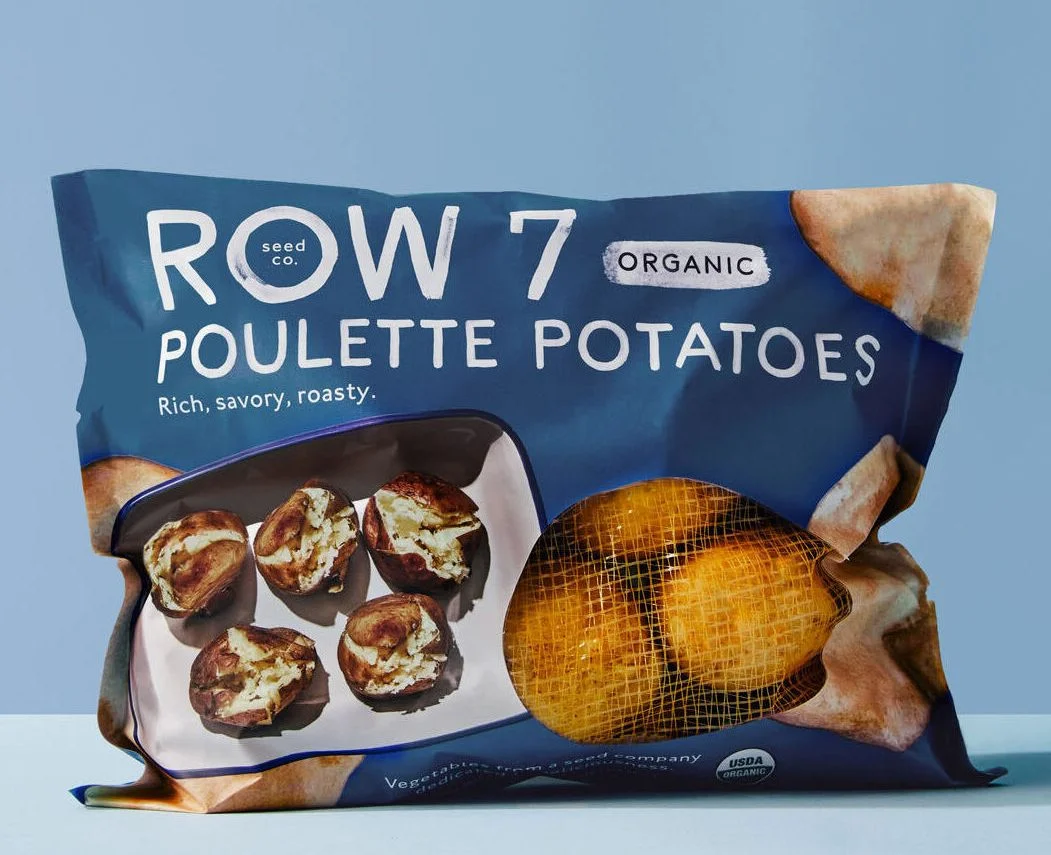
A potato with an unusually bold comparison
A potato described as savory, nutty and deeply roasted is now appearing at select Whole Foods Market stores in New York, New Jersey and Connecticut. Row 7 Seed Company calls the new variety Poulette, and one chef reportedly says it evokes roast chicken. That’s a striking claim for a crop usually introduced to shoppers through familiar labels such as russet, red or fingerling. The comparison gives people an immediate flavor reference, but it also invites a fair question: what, exactly, does a potato taste like when someone says it brings roast chicken to mind?
Roast chicken can mean several things at once. It might call up browned, crisp skin, savory drippings, rich dark meat or the broader impression of a meal cooked slowly until its flavors deepen. The Poulette description doesn’t establish that the potato reproduces all of those qualities, and it shouldn’t be read as a literal substitute for poultry. It’s a shorthand for an impression reported by a chef, not a guarantee that every cook or diner will detect the same flavor.
Still, this is more significant than it looks. A distinctive flavor description can get a shopper to pause over a vegetable that might otherwise appear interchangeable with the rest of the potato aisle.
How breeding shapes what reaches the kitchen
The Poulette was bred by crossing French heirloom potatoes with varieties from New York, drawing inspiration from French chef Michel Bras. That origin points to a familiar ambition in food breeding: develop produce whose qualities are interesting in the kitchen, not just recognizable in a seed catalog. A variety’s character can include its taste and texture, as well as the way it responds to cooking. The source describes Poulette’s flavor, but doesn’t specify its texture, growing traits or performance in particular recipes, so those details remain open questions for cooks.
Crossing varieties is a way to bring different inherited traits together and then select plants that suit the breeder’s aims. It doesn’t mean the resulting crop will carry an obvious, single flavor note in every setting. Taste depends on more than a name or a breeding story. How a potato is stored, prepared and cooked can all affect the experience; so can the other ingredients in a dish. The same potato roasted until its exterior browns may read differently from one boiled or mashed.
That gap between a variety’s promise and its performance is where the kitchen matters. The name Poulette and the roast chicken comparison can draw attention, but the practical test is whether people find the potato appealing when they cook and eat it. A compelling description can open the door. It can’t do the tasting on the shopper’s behalf.
Why the retail setting matters
For now, the Poulette is appearing at select Whole Foods Market stores in three neighboring states: New York, New Jersey and Connecticut. That limited geography gives the variety a point of entry into retail, while keeping its availability narrower than a broad national launch. Shoppers outside those stores may hear about the potato before they have a chance to try it. Even for people in the region, “select stores” means the name alone won’t tell them whether it’s on a particular shelf.
That’s a common challenge for unfamiliar produce. Retailers have limited space, and a new item has to make sense to shoppers quickly. A short flavor description can help, especially when it connects an unfamiliar crop to a dish people already know. But a vivid comparison can also shape expectations so strongly that an ordinary variation in taste feels like a letdown. “Evokes roast chicken” leaves room for interpretation; “tastes exactly like roast chicken” would imply a much firmer promise, and that isn’t what the source says.
If you’re working in this space, the useful lesson is that the story around a new crop needs to meet the eating experience. A chef’s description can make a variety memorable, while a straightforward explanation of how to cook it can help people decide whether to buy it. The source doesn’t offer a recipe or cooking recommendation, so any advice about a best preparation would be speculation. For shoppers, the sensible approach is simpler: treat the description as a reason to be curious, then judge the potato on its own merits.
What the chicken comparison can—and can’t—tell us
Food comparisons are often less about exact flavor matching than about communicating a cluster of sensations. “Nutty” might suggest a roasted or earthy note; “deeply roasted” points toward browned flavors. “Savory” signals a quality that many people associate with hearty dishes. Put together, those terms help describe the direction of the experience, but they don’t explain how strong each quality is or how it changes with cooking. And “roast chicken” can refer to a whole range of tastes and textures, depending on the person hearing it.
(And this is the part most people overlook.) A comparison can be useful even when it’s imperfect: it gives a reader a starting point, not a final verdict. A potato that reminds one chef of roast chicken might strike another diner as simply rich, earthy or unusually savory. That doesn’t make the description meaningless. It does mean the report should be understood as one person’s impression, rather than a settled fact about how the variety tastes to everyone.
There’s also a difference between flavor and function. The claim is about what Poulette evokes, not whether it can replace chicken in a meal or deliver the same nutritional, culinary or textural role. It remains a potato. The comparison is most useful as a way to imagine its taste, then see whether that expectation holds up at the table.
What to watch for next
The immediate question is whether the description survives contact with everyday cooking. If shoppers find Poulette distinctive and enjoyable, the unusual flavor story may help it stand apart from more familiar potatoes. If the taste is subtle or varies widely by preparation, the chef’s comparison may remain more memorable than the eating experience. The source doesn’t provide customer reactions, sales information or details about wider distribution, so it’s too early to draw conclusions about the variety’s reach.
That said, a new potato can be interesting without needing to transform the category. Its value may lie in giving cooks another option and giving shoppers a reason to think more carefully about how different varieties taste. The launch also shows how breeders and food companies can frame produce through culinary qualities rather than treating every potato as a generic staple. Whether that framing catches on will depend on what people actually find in the bag and on the plate.
For now, Poulette is an intriguing arrival with a clear geographic limit and a memorable pitch. The roast chicken description sets expectations high, but leaves plenty of room for the potato to be its own thing. A savory, nutty potato with a deep roasted character would be notable on its own. The chicken echo? A welcome surprise, if it’s there.

Discussion
Sign in to join the discussion.