New Non-UPF Verified Label Aims to Elevate Awareness of Non-Ultraprocessed Foods
RELEASE Oct 15, 2026VIEWS 654DESK Sarah Zimmerman
The Non-GMO Project introduces the Non-UPF Verified label to help consumers identify non-ultraprocessed foods, responding to demand for transparency in food quality.
A New Standard on the Horizon for Non-Ultraprocessed Foods
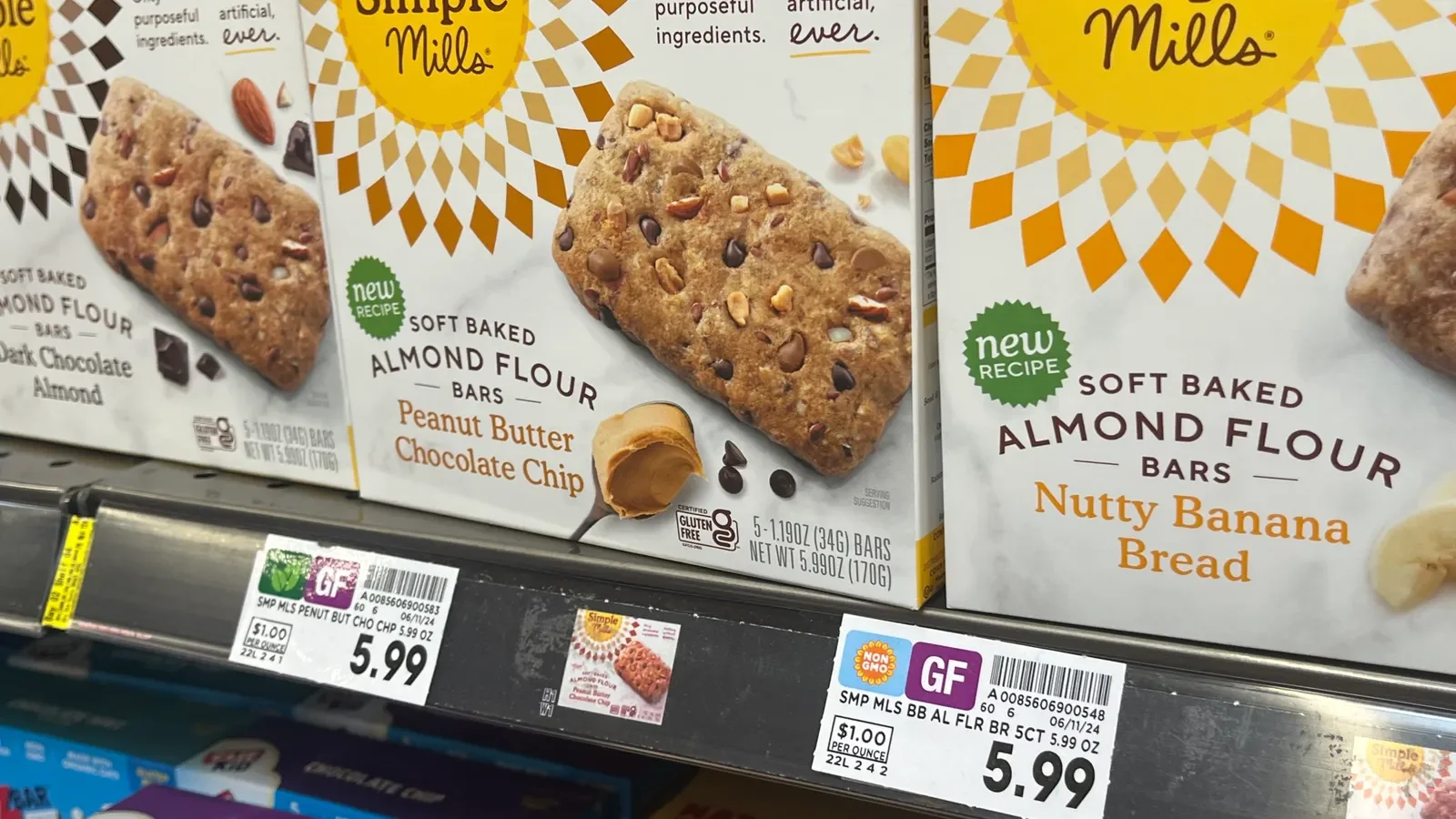
The recent initiatives by the Non-GMO Project signal an important shift in how consumers might assess food quality moving forward. Just as the iconic butterfly seal became synonymous with non-GMO products, the newly introduced Non-UPF Verified label aims to create a clear distinction for non-ultraprocessed foods. This effort comes in response to a growing consumer demand for transparency around food processing and ingredient integrity.
CEO Megan Westgate explains that as recent research highlights the health impacts of ultraprocessed foods, there’s an increasingly urgent need for a standard that consumers can trust. Despite various attempts by outside organizations and regulators to define ultraprocessed foods, a consistent framework has yet to emerge. The Non-GMO Project’s new label seeks to fill this gap by focusing not only on what goes into our food but also on how those ingredients are processed.
This comprehensive approach is refreshing. Westgate asserts that more than 300 products have already received verification—an impressive feat for a label that’s still in its infancy. "It’s incredibly encouraging, particularly for a program this new,” she states, indicating rising interest from both brands and consumers alike.
The Non-UPF Verified label is noteworthy because it doesn’t merely list undesirable ingredients; instead, it evaluates the entire processing spectrum. The goal is to foster an understanding of what constitutes healthy food, beyond just ingredient lists. As Westgate elaborates, “People don’t need to become experts in food science. They need trustworthy information about things they otherwise cannot see.” This sentiment resonates especially well today, as many shoppers express their desire to avoid ultraprocessed foods but struggle to identify them—72% of surveyed consumers reported this concern.
Yet expanding this new labeling initiative won’t happen overnight. The Non-GMO Project took nearly two decades to reach its current scale, which serves as a reminder that building trust and recognition takes time. Both brands and consumers are beginning to pay attention, and Westgate foresees that the Non-UPF label could gain similar traction in the marketplace.
What remains to be seen, however, is how this certification will stack up against potential competitors and the possibility of multiple definitions saturating the market. While a clearer standard would certainly benefit consumers, oversimplifying the complexities of food processing risks undermining the label's effectiveness. As the industry evolves, maintaining a nuanced understanding of food integrity will be essential for empowering consumers to make informed choices about their diets.
In essence, this initiative is more than just a label; it’s a call to rethink our relationship with food processing itself. If Westgate's vision materializes, the Non-UPF Verified label could indeed transform how we approach food choices in our kitchens and grocery aisles.
Concluding Thoughts on the Non-GMO Project
At a moment when food labeling is becoming increasingly complex, the Non-GMO Project’s latest initiative to expand its non-ultraprocessed label to over 300 products signals a significant shift in consumer expectations towards transparency. This move isn't just a branding exercise; it's an assertion of a growing market demand for clarity about what goes into our food, a demand that manufacturers can no longer afford to overlook.
What’s particularly notable is how this initiative engages consumers who are becoming savvier about their food choices. In a landscape cluttered with buzzwords and unverified claims, having a reliable, recognizable label can differentiate brands and influence buying behavior. For those working in food policy and retail, this shift is more than just a passing trend; it’s a clarion call to listen to what consumers really do want: authenticity and integrity in food sourcing.
That said, it’s essential to consider the broader implications of this labeling strategy. Is it merely catering to a niche market, or does it herald a larger trend towards sustainability and ethical consumption across the industry? While the Non-GMO Project is making strides, they must also navigate hurdles such as regulatory scrutiny and competition from other health-focused initiatives. As the landscape evolves, we’re likely to see traditional brands adapting to these pressures by embracing transparency—or risk losing relevance entirely.
For stakeholders, this is a pivotal moment. If you’re in product development or marketing, it’s time to think critically about how your brand's story resonates with informed consumers. The stakes are high, and as the Non-GMO Project exemplifies, understanding the nuances of what people want can pave the way for meaningful engagement and loyalty.
In a time when consumers are increasingly armed with information, brands that prioritize transparency will likely lead the conversation—shaping not only policies but consumer habits for years to come.
Discussion
Sign in to join the discussion.