PepsiCo Prioritizes Beverage Revival with New Functional Offerings
RELEASE Oct 12, 2026VIEWS 426DESK Laurel Deppen
PepsiCo aims to rejuvenate its soft drink category by enhancing offerings like Poppi and Mountain Dew and launching innovative flavors.
PepsiCo is shifting its focus to rejuvenate its struggling soft drink segment, according to insights from CEO Ramon Laguarta. In a recent earnings call, he expressed dissatisfaction with the current performance of the company’s beverage division, despite recent successes in energy and hydration products. The North American beverage volumes fell 2% in the last quarter, illustrating the challenges faced in the soda market.
Identifying the Decline in Soda Consumption
The soda industry isn't just facing a rough patch; it's grappling with a broader decline in consumption trends across many developed markets. Shifting consumer preferences, particularly among younger demographics, have led to a serious decline in traditional soda sales. Increasing health consciousness means many are opting for alternatives like sparkling water, flavored teas, and even functional beverages that promise health benefits. When looking at the numbers from just a few years back, it’s evident that the fizzy drinks that once dominated social occasions are encountering formidable competition.
In fact, many consumers have started questioning the ingredients and health impacts of sugary drinks. With statistics suggesting that sugary drink consumption in adults has stagnated or even declined, PepsiCo's current predicament looks like more than just a temporary setback. It reflects a significant paradigm shift that major brands must confront head-on.
Strategic Investments and Product Innovations
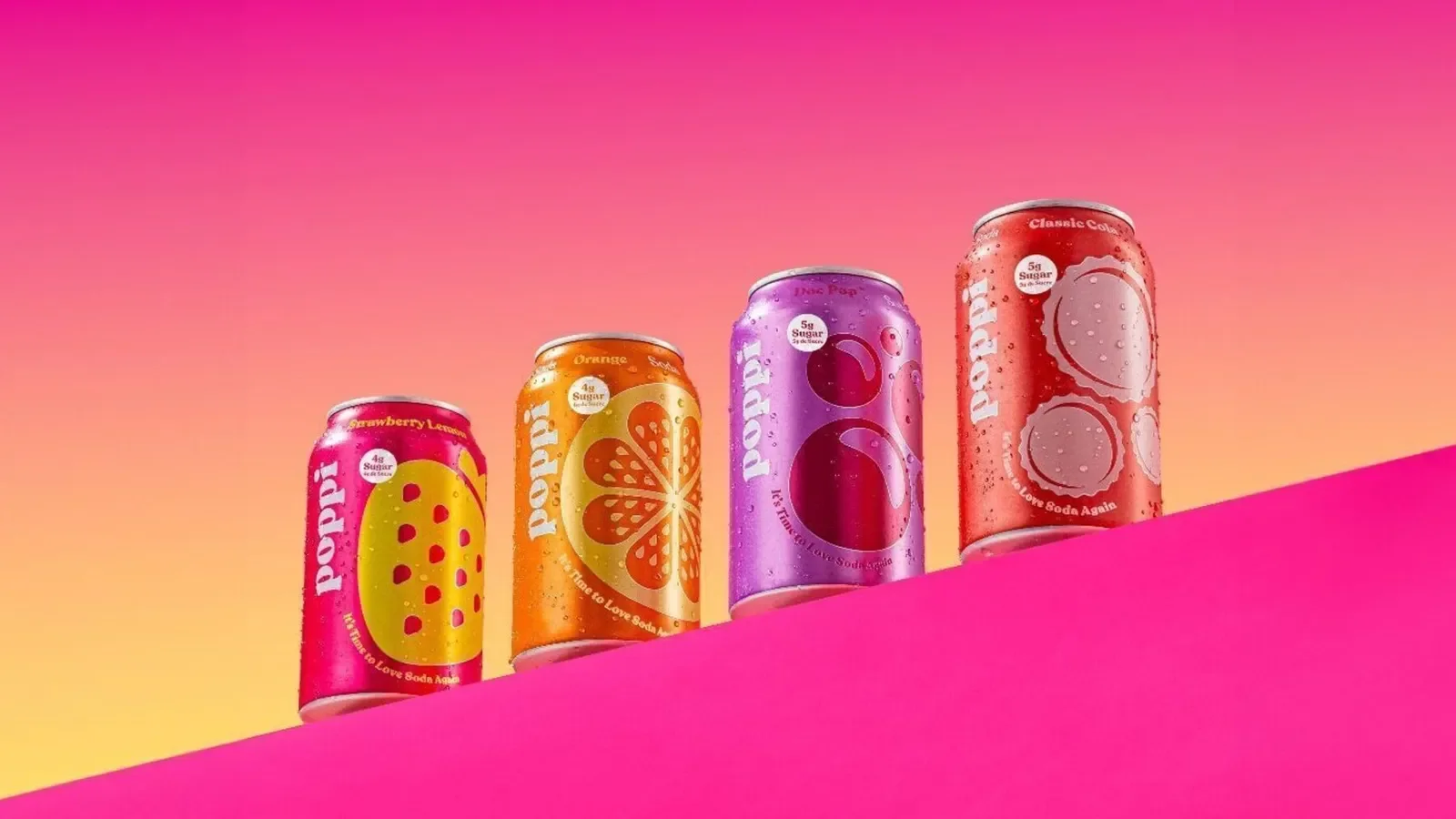
To address these concerns, PepsiCo is increasing investments in key brands, particularly its flagship soda and the newly acquired Poppi. The strategy includes enhancing the functional benefits of Poppi, which already incorporates prebiotics for gut health. A new product, Poppi Lift, is set to debut in March with added electrolytes, caffeine, and vitamins, targeting consumers looking for functional beverage options. Flavors like Peach Ring and Strawberry Lollipop are on the launch schedule.
This pivot to functional beverages points to a wider trend where companies are aligning their product lines with consumer desires for health and wellness. Poppi Lift isn't just a new drink; it's a calculated move that aligns PepsiCo's vision with what consumers are actively seeking in beverages. Similar systems typically enhance their offerings by combining convenience with health benefits, thus giving consumers more reasons to grab a bottle rather than choose another alternative.
Yet, here's the thing: even with the introduction of Poppi Lift, the market remains saturated. How will PepsiCo differentiate itself from an array of competitors lining up to stake their claims in the functional beverage sector? If you're working in this space, keeping an eye on competitive strategies and emerging products can be just as vital as the moves made by giants like PepsiCo.
Enhancing Collaboration and Cost Management
Laguarta emphasized that the company will also improve collaboration with its teams and bottling partners to better execute these strategies. Cost-cutting measures across the business will accompany efforts to potentially raise prices where necessary, allowing PepsiCo to invest more in functional ingredients and emerging trends within the beverage market.
There's an underlying urgency in this collaborative drive. PepsiCo needs to react swiftly to a changing market, and fostering strong relationships with bottlers and internal teams is vital to this agility. The soda grand strategy could hinge on how effectively those collaborations can streamline operations while still fostering innovation. Cutting costs isn’t merely about trimming fat; it may also involve reallocating budgets to spark new ideas and products that resonate with a health-focused market.
This approach reflects a broader industry trend where beverage companies are combining operational efficiency with brand rejuvenation. However, if the expectations don't align with market realities, the consequences could be dire.
Flavor Innovation: Catering to Diverse Tastes
In terms of flavor innovation, PepsiCo is set to roll out new products that cater to current consumer interests. A new Pepsi Strawberry Shortcake combines a dessert-like profile with classic soda flavors, while Mountain Dew will introduce Berry Sol, featuring lime and guava notes. Furthermore, PepsiCo aims to capitalize on the popularity of "dirty soda" with a new Mug Root Beer variant.
This push towards flavor innovation is telling. As consumer tastes become more adventurous, brands like PepsiCo are often compelled to take risks with their product offerings, crafting flavors that resonate with diverse palates. Still, this can also backfire if the flavors don't meet consumer expectations or if they're perceived as gimmicky.
Amidst all these developments, there's one critical takeaway: innovation isn't just about new flavors. It's about the ability to create products that hold enduring appeal. Consumers can easily be overwhelmed with too many options, leading to decision fatigue—this is the part most people overlook.
Future Focus on Hydration
Looking ahead, PepsiCo is doubling down on its hydration portfolio, which has seen robust growth. The launch of Gatorlyte Longer Lasting in 2027, containing the highest level of electrolytes in the Gatorade line, forms part of this focus. This strategic pivot underscores PepsiCo's commitment to revitalizing its soft drink business while tapping into the growing functional beverage market.
Interestingly, hydration is often seen as a quintessential need rather than a luxury, further compelling soft drink companies to transition their branding strategies. The consumer trend towards functional beverages supplements this shift, with many opting for drinks that enhance their health and well-being.
This strategic maneuver signifies not just a reactive measure but also a proactive initiative to capture and retain market share. By continuously adapting to consumer needs and preferences, PepsiCo is making an effort to counter the traditional soda slump. However, the question remains: will these new products be enough to not only stabilize but actually grow its market presence? The beverage wars are intensifying, and PepsiCo finds itself in a critical moment where direction and execution will mean everything.
Discussion
Sign in to join the discussion.