Amy's Kitchen is closing its Santa Rosa facility, impacting 260 jobs, while focusing production on its fastest-growing categories in Oregon and Idaho.
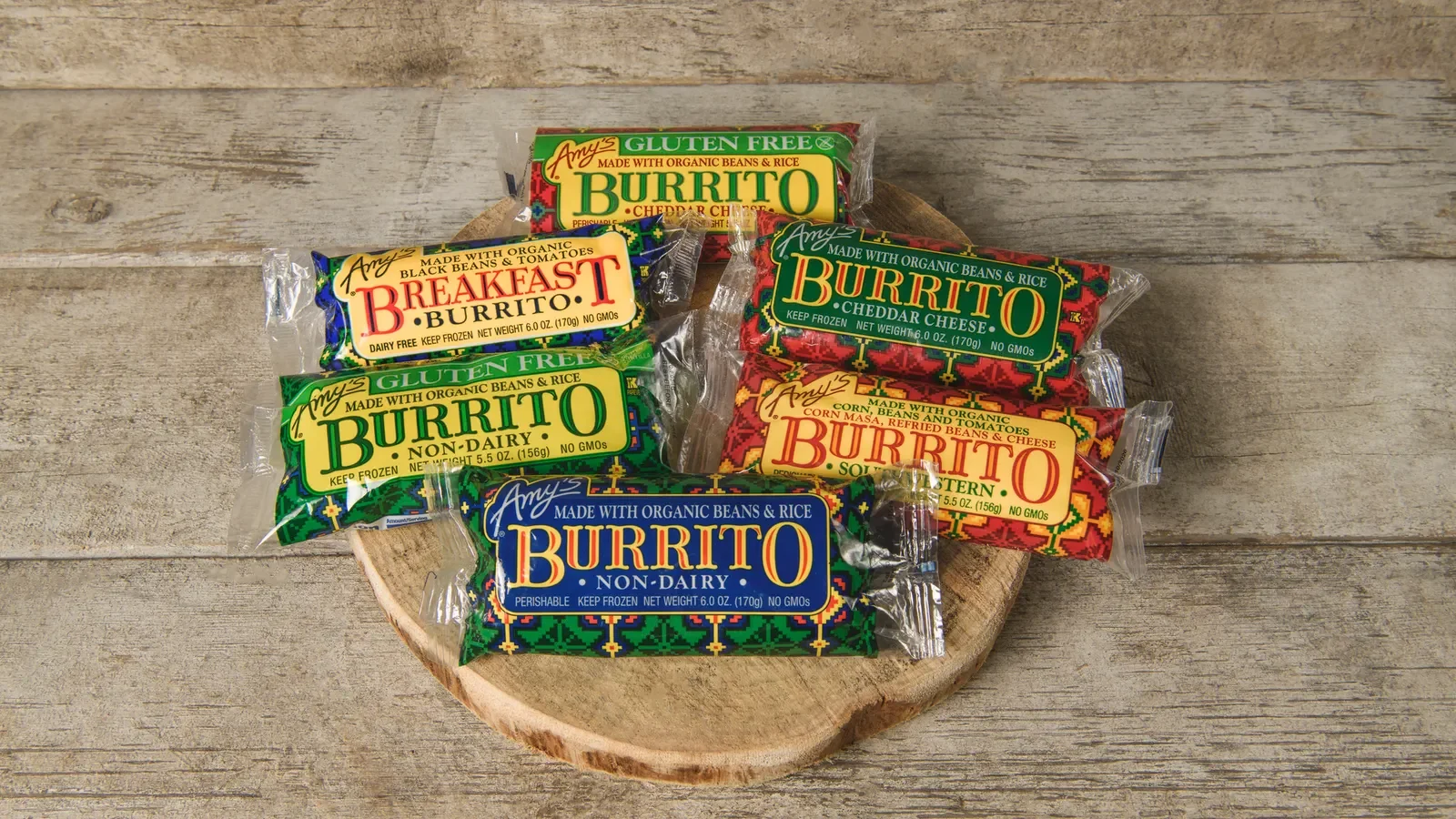
Amy's Kitchen, a notable name in the organic frozen food sector, is set to close its production plant in Santa Rosa, California, a move that will result in around 260 job losses across its operations. This decision comes as the company aims to streamline its manufacturing processes in response to challenges affecting the entire frozen food category.
Details of the Closure
The Santa Rosa facility will officially close by the summer of 2027, as confirmed by a company spokesperson. This closure doesn't just mean shutting down one location; it marks a strategic shift. Amy's Kitchen will consolidate production by transferring operations to its facilities in Medford, Oregon, and Pocatello, Idaho. Pocatello will focus on the production of Amy’s entrées, while Medford will handle pizzas, soups, and burritos. With this consolidation, Amy's aims to refocus its resources and optimize production capabilities, allowing for a more efficient overall workflow.
Strategic Realignment
CEO Paul Schiefer articulated the necessity of this move, indicating that the existing manufacturing network had grown more complex than what the business required. "Aligning our network around what each facility is best positioned to do is crucial for keeping Amy's operationally efficient over the long term," he remarked. The closure will unfold in two phases, with substantial layoffs occurring at the end of this year. Affected will be 207 positions in Santa Rosa and another 51 in Pocatello's canning operation, which will also shift to Medford. This restructuring is more than just about cutting costs; it reflects a broader effort to adapt to the shifting preferences and purchasing behaviors of consumers in the frozen food market.
Market Conditions and Challenges
The frozen food sector is currently experiencing mixed conditions. Consumer interest in frozen foods has surged due to their convenience, a fact that suggests a strong market potential. However, growing concerns over affordability are starting to cast a shadow on long-term growth. A prominent industry figure, Nestlé’s CFO, has noted a slight downward trend in the frozen food category, even as there are pockets of growth in specific areas like international cuisines and health-conscious products. This paradox highlights a crucial challenge: how to sustain momentum in a sector where consumer habits can be deeply influenced by economic fluctuations.
Amy's Continued Commitment to Quality
Established over 35 years ago, Amy's Kitchen has pioneered the clean-label movement and is renowned for its gluten-free, vegetarian, and vegan offerings. The company boasts nearly $1 billion in annual retail sales and a supply chain capable of producing approximately a million meals daily. Despite facing category-wide challenges, Schiefer noted an ongoing consumer demand for healthier options, emphasizing that while interest is strong, the brand has to navigate substantial headwinds. For Amy's, their commitment to quality isn't merely a marketing strategy; it's fundamental to their identity as a brand. This dedication to producing clean-label foods resonates with a growing segment of consumers who prioritize wellness and ethical sourcing in their purchasing decisions.
Future Outlook
Amy's Kitchen has doubled down on its commitment to clean-label products, with over 100 items certified by the Non-GMO Project's non-ultraprocessed label. Schiefer remains optimistic about the brand's direction, acknowledging the balance between consumer interest and broader industry obstacles. "We're facing some headwinds from the other side," he stated, pointing out the complexities of the current market dynamics. If you're working in this space, you’ll want to pay attention to how companies like Amy's manage these challenges while staying true to their principles. This balancing act will be pivotal in determining not just Amy's future but the future of the organic frozen food segment as a whole.
Implications and Significance
The closure of the Santa Rosa facility is more than an operational pivot; it serves as a microcosm of the challenges facing the organic food industry at large. As consumer preferences shift and economic pressures mount, companies are forced to make tough decisions that affect not just their bottom line but the livelihoods of their employees. The implications of this closure extend into the community—260 individuals now face uncertainty in an already tumultuous job market. Moreover, this reflects a cautious optimism required for companies to adapt. The path ahead for Amy's will demand innovation alongside efficiency, making it a case study worth watching.
This situation underlines the need for businesses in this sector to remain agile. The challenges of today may serve as stepping stones for a stronger foundation tomorrow, but only if they’re approached with a strategy that prioritizes both efficiency and consumer values.
Discussion
Sign in to join the discussion.