Aaron Goldfarb joins Joanna and Zach to discuss who buys unusual spirits and whether niche flavors can earn space behind the bar.
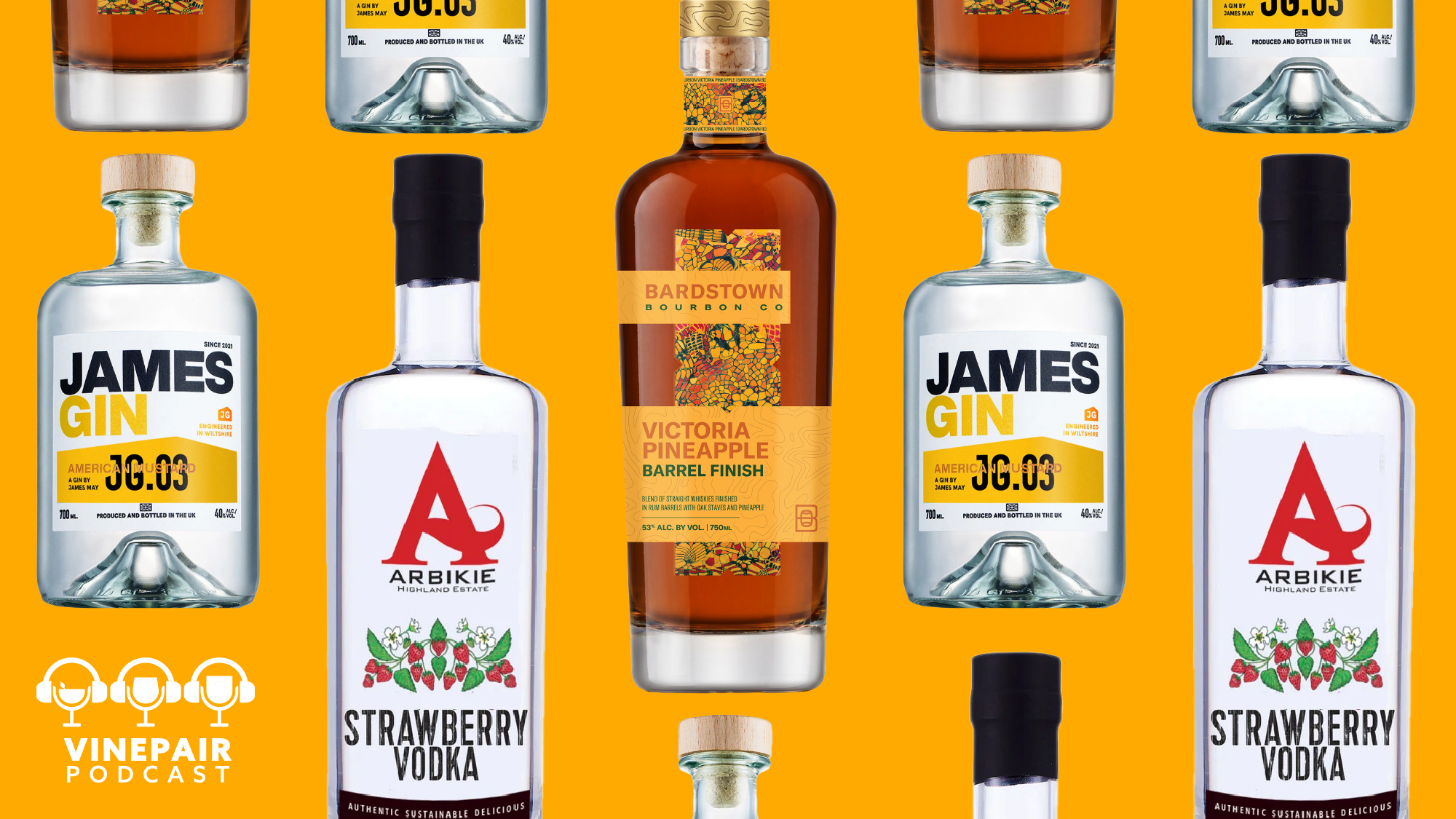
Unusual flavors can help gin, vodka, and whiskey stand out in a crowded spirits category. But a bottle that catches a shopper’s eye still has to answer a harder question: who’ll buy it, and will bartenders give it space on the back bar? On the “VinePair Podcast,” spirits editor Aaron Goldfarb joins Joanna and Zach to weigh the market for these bottles, from curious drinkers to bar professionals.
What Makes a Spirit “Weird”?
The label “weird spirits” covers a broad idea rather than a single style. It can refer to a familiar base spirit presented with an unexpected flavor, or to a combination that challenges what drinkers expect gin, vodka, or whiskey to taste like. The source doesn’t identify particular bottles or flavors from the discussion, so the useful question is less about any one novelty and more about how unfamiliarity works as a selling point.
Novelty can earn attention. It gives a brand a simple way to distinguish a bottle on a crowded shelf, and it can give a drinker a reason to ask about something beyond the usual order. But curiosity and repeat demand aren’t the same thing. A flavor that seems intriguing in a description still has to taste good, make sense in a drink, and justify taking up room at home or behind a bar.
That gap between the first purchase and the next one is where the category’s case gets tested. A bottle might be bought as a conversation piece, a gift, or a one-time experiment. Those occasions matter, but they don’t automatically create a durable market. The strongest products in an unusual category have to offer something beyond surprise.
Why the Bar Matters
Bars have a different way of judging a bottle than consumers browsing a shop. A bartender needs to know what the spirit can do in a cocktail, how its flavor will sit alongside other ingredients, and whether guests are likely to order it. Back-bar space is limited, so a bottle needs a clear role: it might support a particular drink, give a familiar recipe a new angle, or help answer a customer who’s looking for something unexpected.
And yet a spirit can be interesting without being practical for regular service. A flavor that dominates a cocktail may be difficult to use across a menu; one that works in only a narrow set of drinks may not earn a permanent place. These are general pressures in bar programs, not claims about any particular bottle discussed on the podcast. They help explain why getting a bartender’s attention and winning lasting space are separate achievements.
(And this is the part most people overlook.) A bar’s decision doesn’t just affect whether a bottle is available for a drink; it can also shape how a customer first encounters it. A bartender can explain what makes an unfamiliar spirit distinctive and suggest a way to try it. That context may make the difference between a useful discovery and a novelty someone forgets after one sip.
Curiosity Has to Become a Habit
For drinkers, an unusual spirit asks for a small leap of faith. They may recognize the base category, but not know what to expect from the added or unexpected flavor. Clear descriptions and a plausible use in a drink can help set expectations. If the idea is too hard to understand, a shopper may keep walking; if the pitch promises more than the glass delivers, the first purchase may be the last.
There’s a tension here. Familiarity makes a bottle easier to sell, while a distinctive flavor is often the reason it exists. Make the product too conventional and it loses its point; make it too challenging and fewer people may want to take it home. That’s not a verdict on any specific product. It’s the basic trade-off facing spirits that try to turn difference into demand.
This is more significant than it looks: a niche bottle doesn’t need to appeal to every drinker, but it does need a reason to be chosen again. A small audience with a clear use for it may be more valuable than broad, fleeting attention. The podcast’s focus on both curious drinkers and bar professionals reflects that two-sided question: can a spirit attract interest, and can it fit into the way people actually drink?
What the Conversation Can—and Can’t—Tell You
The episode brings together three hosts and guests around the market for unusual spirits, with Goldfarb joining Joanna and Zach to discuss both consumers and bar professionals. It also includes what each person is drinking: Zach has a 1997 Cabernet Sauvignon from Hedges Family Estate, Joanna has Drinks Farm’s “Eva” White Blend, and Aaron has a Two-Step Martini at Sips. Those details give listeners a glimpse of the drinks around the conversation, but they don’t establish what the hosts conclude about any particular spirit.
That distinction matters. The short description frames the episode as a discussion of who might buy unusual bottles and whether bars will stock them; it doesn’t provide sales data, a list of products, or the participants’ specific answers. The value for listeners is in hearing the market question explored from more than one position, rather than treating a flavor trend as proof of lasting demand.
If you’re working in this space, the question to keep asking is simple: what does the bottle let someone do that they couldn’t do as easily with a more familiar spirit? A compelling answer might involve a cocktail, a memorable taste, or a useful point of difference. “It’s unusual” can open the conversation. It can’t finish it.
Listen and Watch
The episode is available to watch on YouTube and to listen to online through the embedded players below. Listeners can also find it on Apple Podcasts and Spotify. The formats make the same conversation accessible whether you want to watch the hosts or listen while doing something else.
Here’s the thing: unusual spirits have to work in two settings at once. They need to make sense to the person deciding whether to try a new bottle, and they need to earn a role for the professionals choosing what to serve. Interesting. But interest is only the starting point.
Watch on YouTube
Listen Online
Listen on Apple Podcasts
Listen on Spotify
The article The VinePair Podcast: Where’s the Market for Weird Spirits? appeared first on VinePair.
Discussion
Sign in to join the discussion.