Uncover the unique liqueurs of Italy’s islands, from Capri’s Limoncello to Sardinia’s Mirto, showcasing distinct regional flavors and traditions.
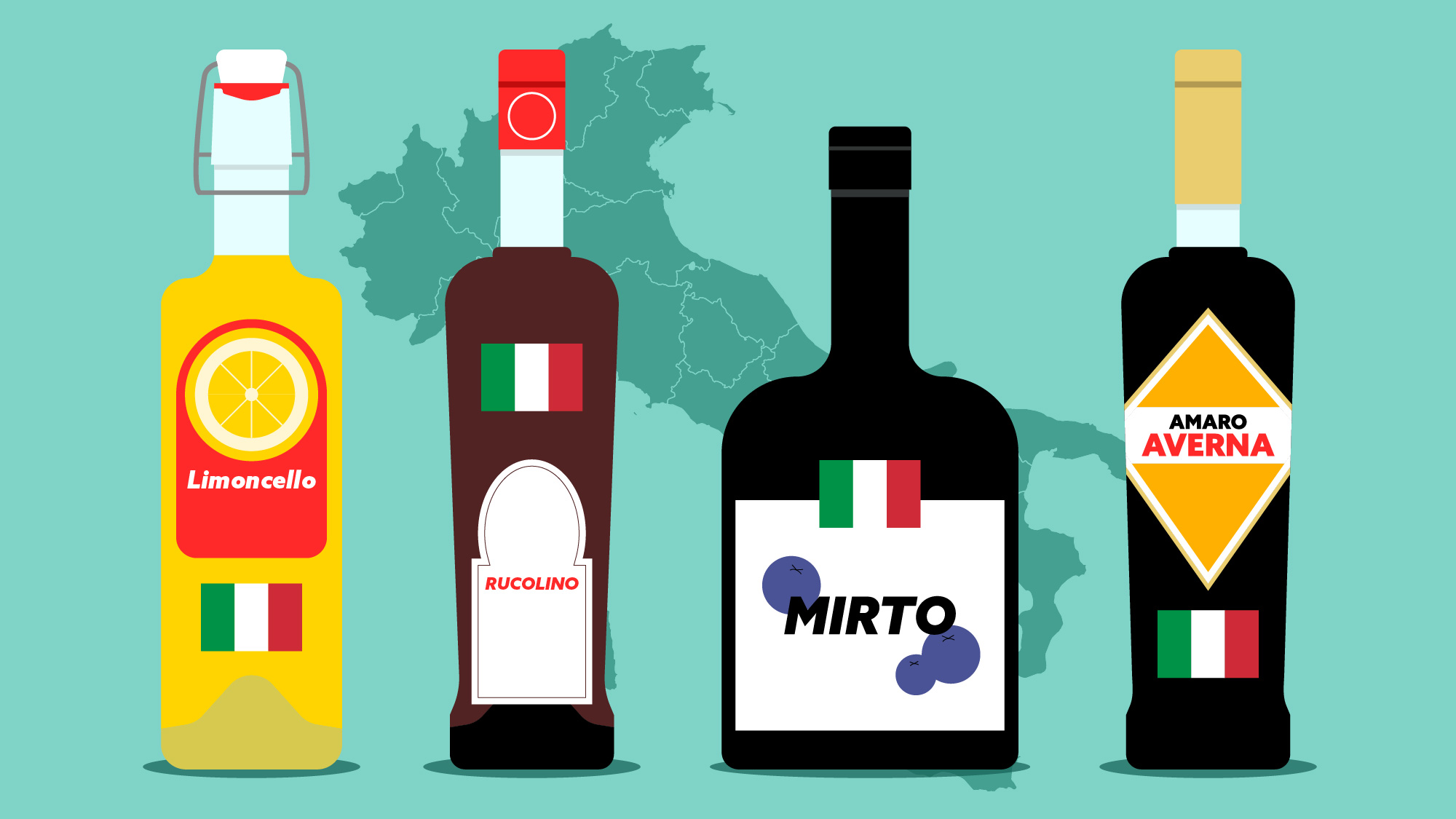
Italy’s islands offer a taste of summer mixed with local tradition in the form of distinct liqueurs. Contrasting with the more widely known Italian aperitifs, these regional spirits reflect the diverse ingredients sourced from their respective landscapes. Understanding these liqueurs not only indulges the palate but also reveals the rich cultural tapestry of Italy’s islands. The significance of these beverages transcends mere flavor; they encapsulate centuries of tradition and local lore, linking generations and highlighting the unique characteristics of each island’s geography.
Capri: Limoncello
Limoncello, a staple from Capri, an island famous for its luscious lemon groves, has become synonymous with Italian hospitality. This zesty liqueur, originating in the early 20th century, is crafted by steeping lemon peels in a high-proof alcohol, then sweetening with sugar and water. Each bottle is a reflection of the island’s sun-soaked ambiance, and the balance can sway from profoundly sweet to slightly bitter, depending on the recipe nuances. For many travelers, it serves as a refreshing capstone to a meal, delivering a burst of citrusy brightness that encapsulates the essence of summer.
The alcohol content ranges from 25 to 32 percent, making it potent yet approachable. Traditionally served chilled in small glasses, Limoncello acts as a digestivo to enhance digestion and punctuate the dining experience. In Capri, where tourists flock for its stunning vistas, sipping Limoncello on a terrace overlooking the sea has become a quintessential experience. It’s not just a drink; it's an invitation to embrace the slower pace of life characteristic of island culture.
Ischia: Rucolino
Moving on to Ischia, we find Rucolino, an intriguing amaro that showcases the island’s agricultural heritage. The name hints at its primary ingredient: arugula, a staple of Mediterranean cuisine. The production involves infusing arugula, citrus peel, and various botanicals in alcohol for about 40 days, followed by a sweetening process before aging. In contrast to other liqueurs, Rucolino maintains the fresh, peppery essence of arugula, layered with bittersweet complexities that unfold with each sip. This balancing act of flavors exemplifies how local ingredients can shape spirit profiles uniquely.
As with many amari, Rucolino is typically enjoyed after meals, making it a fitting digestif. Its niche appeal reflects Ischia’s focus on a farm-to-table ethos, where local produce becomes the centerpiece of culinary traditions. The allure of Rucolino goes beyond taste; it's about the island's connection to the land and its agricultural practices. This liqueur serves as a testament to Ischia’s identity, inviting drinkers to appreciate not only the flavor but also the history and community intertwined in each bottle.
Sardinia: Mirto
Mirto, a celebrated liqueur from Sardinia, draws its distinct flavor from the berries of the myrtle plant, integral to the island's identity. While its origins may trace back to Corsica, it's firmly rooted in Sardinia's culture today, where it is intricately linked to local customs and family gatherings. Local families often produce Mirto at home, ensuring its small-batch authenticity. The creation involves steeping myrtle berries in alcohol for up to two months, followed by pressing the fruits to extract the juices. This process yields a rich, dark spirit with herbal and spicy notes, characterized by a warm finish that resonates with those who appreciate a well-crafted liqueur.
Mirto is available in two versions: Mirto Rosso, made from the berries, and the rarer Mirto Bianco, derived from white myrtle berries or leaves. The choice between the two often sparks passionate debates among locals and visitors alike. For many, Mirto is more than just a drink; it's a celebration of Sardinian hospitality and a vital part of communal meals, often served alongside desserts or as a sweet interlude during gatherings. The cultural significance is profound, illustrating how a simple beverage can connect people and preserve traditions.
Sicily: Amaro Averna
Sicily is perhaps better known for its remarkable wines, yet it also boasts a notable tradition of amari, including Amaro Averna. The lore of this liqueur suggests a connection to monks in Caltanissetta, who reputedly passed down a secret recipe to businessman Salvatore Averna in 1868. The brand grew under the Averna family, garnering international acclaim, especially after it became part of the Campari Group in 2014. Despite ownership changes, the production remains deeply rooted in its 19th-century heritage, boasting a blend of undisclosed botanicals that yield flavors of citrus, caramel, and herbs. Bottled at 29 percent ABV, Amaro Averna is an enduring favorite among local and international enthusiasts alike.
But what sets it apart is its versatility. Amaro Averna is not only enjoyed neat but also shines in cocktails, showcasing the adaptability of Sicilian spirits. This accessibility has bolstered its popularity beyond Italian borders, making it a staple in bars around the world. And yet, amidst this commercial success, the spirit retains its artisanal roots, reflecting the intricate balance between tradition and modernity that defines much of Sicily’s culinary scene.
Implications and Future Outlook
Exploring these Italian island liqueurs reveals a fascinating narrative shaped by local ingredients and traditional craftsmanship. Each sip tantalizes the taste buds and transports drinkers to the sun-kissed shores of Italy’s islands. There's more at stake here than just the enjoyment of unique flavors. The proliferation of these regional spirits highlights a growing interest in authentic, locally-sourced products in the global market.
As consumers increasingly seek genuine experiences, the significance of these liqueurs could rise, driving more visitors to Italy's islands. If you're working in this space, consider how the stories behind these spirits can be leveraged in marketing. There’s an appetite for craftsmanship and authenticity, not just for the drink itself. With ongoing interest in artisanal products and local traditions, it seems clear that liqueurs like Limoncello, Rucolino, Mirto, and Amaro Averna will likely enjoy a brighter future.

Discussion
Sign in to join the discussion.