Tiered food displays captivate diners by blending spectacle and experience, tapping into our psychological instincts and desire for abundance and whimsy.
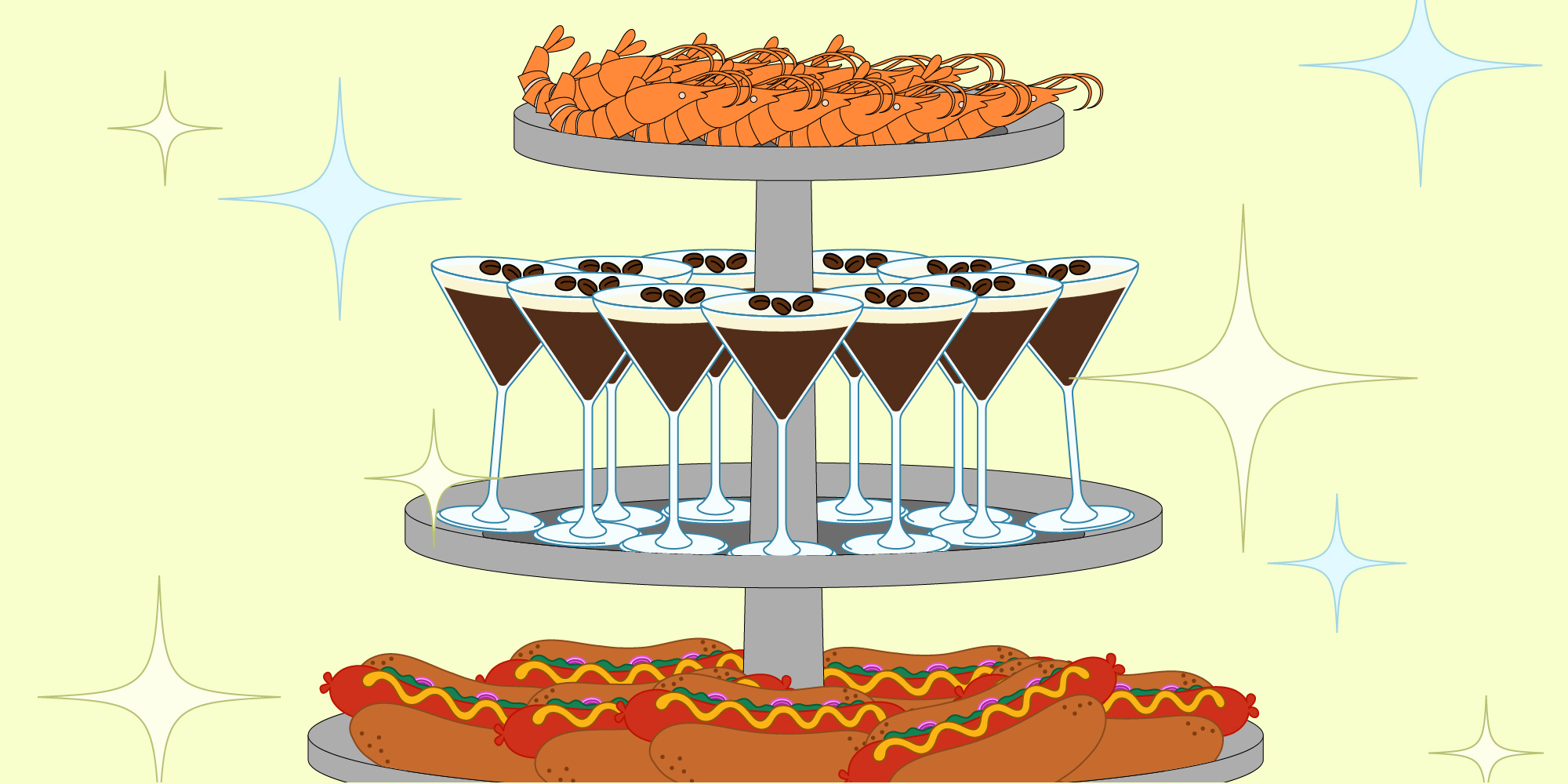
When it comes to dining experiences, few things attract attention quite like a meticulously arranged food tower. They’ve become staples in high-end restaurants and trendy eateries, serving as both a culinary showcase and an Instagram-worthy centerpiece. But what drives our fascination with these tiered culinary structures? The key lies in a mix of psychology, aesthetics, and our innate desire for memorable experiences.
A Brief History of Tiered Presentation
The roots of the tiered meal display can be traced back to the 18th century, where the wealthy showcased delicate fruit and confectioneries on ornate silver epergnes. Fast forward to the 19th century, where culinary artist Marie-Antoine Carême elevated the concept further by creating elaborate pastry sculptures known as pièces montées. These extravagant displays, as well as the emergence of seafood towers in Parisian brasseries, set the stage for the tiered food presentations we see today.
Modern dining has embraced this tradition, incorporating whimsical elements to the classic format. From towering seafood platters layered artistically with shrimp, oysters, and crab legs to dessert structures adorned with donuts and cakes, the vertical presentation caters to both our aesthetic senses and our appetite for novelty.
The Psychology of Height
To understand why food towers hold such allure, we must consider the psychology behind height in our visual and social constructs. Colin Ellard, a cognitive neuroscientist, posits that tall structures evoke feelings of importance and status. Our instinctive association between height and supremacy influences our perception, making taller food displays more appealing. Research supports this notion; luxury items placed on higher shelves are often perceived as more prestigious, indicating that a physical elevation can convey value.
Beyond social implications, towering food presentations transcend the ordinary, mimicking natural formations that elicit a sense of wonder. As noted by contemporary artist David Altmejd, verticality may suggest a magical quality, inviting interpretations that go beyond mere sustenance. This may explain why diners gravitate towards towers that seem to defy gravity while elevating the dining experience.
The Element of Attention
However, it’s not just the height that draws us in; it’s how these displays capture attention. Charles Spence, an experimental psychologist at Oxford, emphasizes that anticipation greatly enhances our dining pleasure. The act of perceiving a food tower does more than simply whet our appetite; it disrupts the visual rhythm of a space, compelling diners to pause and engage. This interruption slows the moment and heightens our sensory experience, inviting us to immerse ourselves in the unfolding culinary delight.
Food towers also showcase abundance, artfully balancing the elegance of presentation with the impression of generosity. They signal a wealth of options without suggesting that one individual must consume it all—an attractive concept for social dining. This combination of spectacle and sharing fosters greater connection among diners, enhancing the overall experience.
Whimsy in Dining
In a landscape where experiences are increasingly important to consumers, the desire for occasion-styled dining has surged. According to recent data, diners value distinctive atmospheres and unique culinary experiences, driving demand for visually striking presentations. Food towers allow restaurants to tap into this trend, offering not just a meal but an interactive experience that invites participation and social sharing.
The absurdity of certain modern variations on tiered displays has captured attention, exemplified by establishments like Wally’s Wieners in Newport, RI, where hot dogs are styled into towers. This playful approach emphasizes that dining can be less about formality and more about fun and creativity, appealing to an audience looking for lighthearted indulgence.
Social Media and Visual Appeal
Social media has further amplified the allure of food towers. Aesthetically pleasing presentations are highly shareable, enhancing visibility and engagement for restaurants. The simplicity of a tower built from repetitive ingredients allows viewers to process visuals quickly, drawing in attention and creating a moment worth sharing. Restaurants recognize the potential for these displays not only to delight diners on-site but also to extend their reach through social media platforms.
This attention to detail in presentation has tangible benefits; food towers serve as marketing tools that attract customers both online and offline. Their ability to be visually engaging makes them not just a meal, but a departure point for experiences that diners will want to capture and share.
Conclusions
The enduring appeal of food towers suggests a shared human desire for aesthetics, status, and connection. They unite us around a dining experience that transcends the act of eating alone, weaving together elements of art, social interaction, and sensory engagement. As restaurants continue to innovate, food towers are likely to remain a staple—serving as both visual spectacles and reminders of our innate craving for joy and connection.
In the end, whether we’re indulging in a luxurious seafood tower or a whimsical hot dog stack, the experience is about more than just the food. It’s an opportunity to create memorable moments that linger long after the last bite has been taken.
The article The Psychology Behind Food Towers: Why Are We Drawn to Tiered Meals? appeared first on VinePair.


Discussion
Sign in to join the discussion.