Discover how nikiri mirin transforms Japanese dishes by removing harsh alcohol, enhancing sweetness, and preserving aroma for balanced flavors.
Understanding Nikiri Mirin in Japanese Cuisine
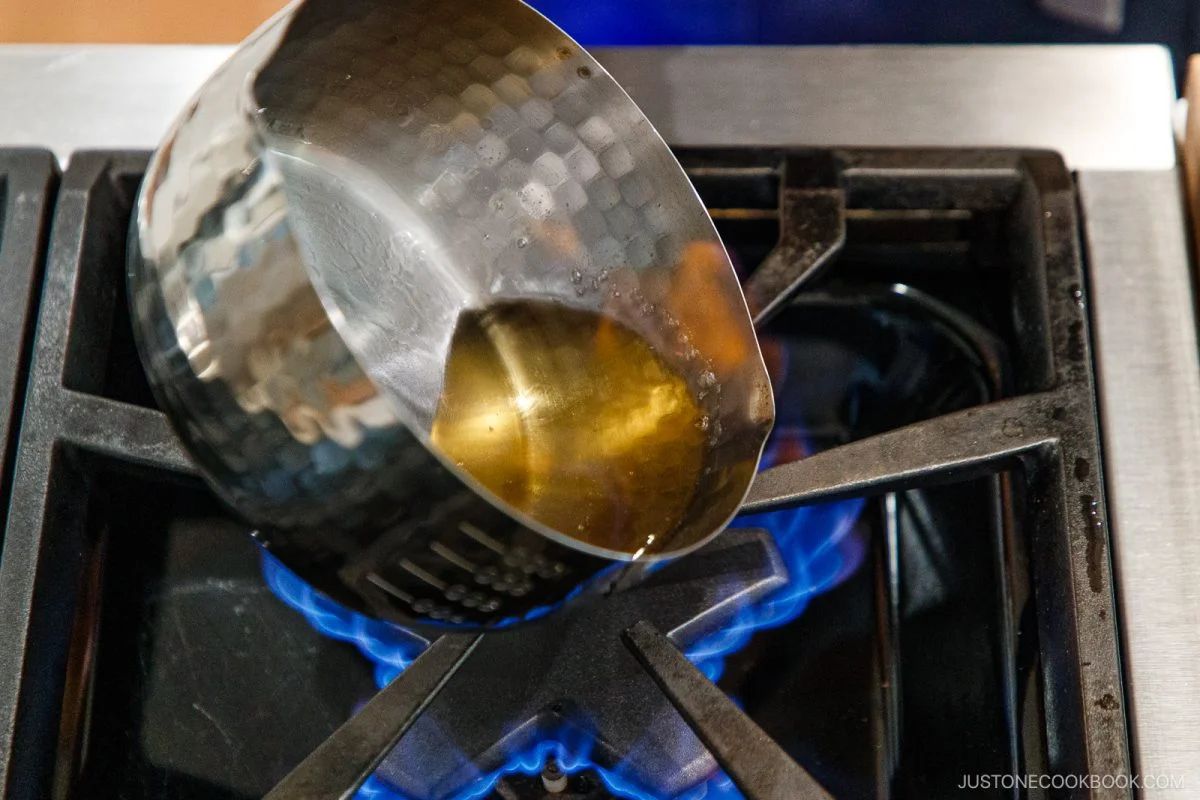
If you’re venturing into Japanese cooking, you’ll eventually encounter mirin—a sweet rice wine that's a staple in many Japanese recipes. However, the real secret to elevating your dishes might lie in a technique known as **nikiri**. While many cooks appreciate the nuanced flavors that mirin can impart, they often overlook how the raw alcohol can diminish the overall experience. That sharp alcohol bite can overpower the delicate sweetness of the dish. **What is Nikiri Mirin?** This method is straightforward yet transformative. It involves boiling or flaring mirin for a brief period to burn off its raw alcohol while retaining its unique sweetness and aroma. The term itself derives from the Japanese verb *nikiru*, which means "to boil off." Authentic hon-mirin contains about 14% alcohol; therefore, using nikiri is essential when adding it to cold preparations like dressings or marinades. ### Why Nikiri Matters Imagine drenching a fresh salad in a dressing that’s supposed to enhance its flavors, only to be hit with an uncanny alcohol aftertaste. If you're looking to create a truly harmonious dish, the benefits of employing nikiri are significant: - **Smooth Sweetness**: The boiling process effectively neutralizes the harshness of alcohol, allowing the natural sweetness of the hon-mirin to shine through. - **Preserved Aroma**: By keeping the process swift, you maintain both the liquid volume and the subtle aromatics that are otherwise lost through longer cooking methods. - **Quick and Simple**: Achieving nikiri is a matter of minutes—just three, to be precise—in either a stovetop or microwave. For busy cooks, that's an attractive proposition. You might want to experiment with alcohol-free nikiri mirin in various dishes, from **Japanese Sesame Dressing** to **Spinach with Sesame Miso Sauce**. This versatility opens a variety of culinary doors. ### Cooking Techniques: Boiling vs. Flaming The choice between methods depends on your equipment: - **Gas Stoves → Flame Method**: This technique effortlessly burns off the alcohol vapor while slightly caramelizing the sugars, lending a richer flavor profile to your dish. - **Electric or Induction Stoves → Boil Method**: This method simmers the mirin to eliminate alcohol without an open flame, ideal for those who prefer a gentler approach. By mastering nikiri mirin, you're not only enhancing the depth of your flavors but also embracing a cooking tradition that exemplifies culinary balance in Japanese cuisine.- Dipping Sauces & Tares: Crafting cold noodle dishes calls for the right sauces. You might consider preparing Mentsuyu, a staple in Japanese cuisine, or whip up a batch of homemade Yakiniku Sauce for grilled meats. Don’t forget those delightful unheated sashimi dipping sauces—they can elevate your dining experience.
- Salad Dressings: If you're prepping cool vegetable side dishes, a good dressing is essential. Dishes like Spinach with Sesame Miso Sauce or a refreshing vinaigrette can bring a burst of flavor that makes even the simplest salad shine.
- Cold Marinades & Pickles: Transform your tangy liquid mixtures by adding a touch of sweetness. Think about utilizing this in sauces like Nanbanzuke or traditional Shibazuke brines. These combinations can elevate your pickling game and add depth to your dishes.



Discussion
Sign in to join the discussion.