Titán's Dirty Root cocktail reimagines the Dirty Martini by infusing it with the vibrant flavors of northern Mexico's escabeche.

Exploring the Dirty Root Cocktail
In the cocktail scene today, the Dirty Martini has faced countless reinterpretations, but few manage to capture the essence of northern Mexico like the Dirty Root at Titán, a vibrant new establishment in Brooklyn’s Dumbo district. Co-owner Ivy Mix and head bartender Sergio Sarmiento crafted this drink not just as an alternative, but as a representation of the playful savory flavors typical of northern Mexican cuisine. This approach elevates the cocktail beyond a mere beverage; it becomes a cultural statement, inviting drinkers to explore the intricate tapestry of flavors native to a region known for its culinary richness.
Crafting a Menu with Harmony
Mix’s philosophy on cocktail creation reflects a nuanced understanding of flavor interplay, likening her menu to a vinyl album where each drink must contribute to a cohesive auditory experience. This analogy emphasizes that just as a well-constructed album flows seamlessly from one track to the next, a cocktail menu must engage the senses, with each drink enticing the palate in a new way. This meticulous process led to the development of the Dirty Root as Titán’s signature take on the Dirty Martini. When asked about her approach, she remarked, “When I create a menu, it’s about checking boxes for different flavor profiles.” This method ensures a balanced spectrum of flavors that not only satisfy but also intrigue the drinker.
A Northern Mexican Influence
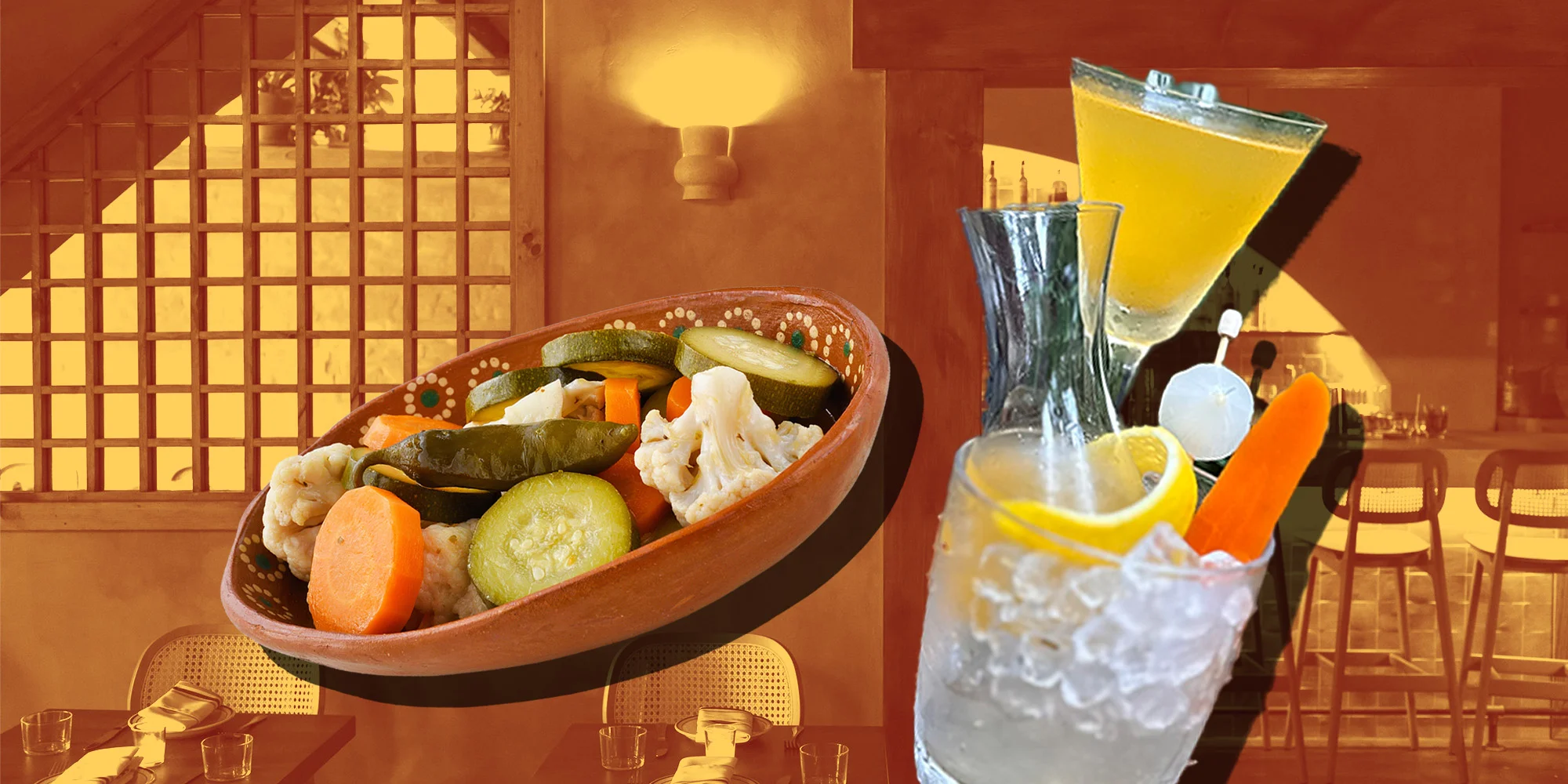
The foundation of the Dirty Root diverges from the usual vodka and olive brine, opting instead for Bacanora—a spirit distilled from agave in Mexico’s Sonora region—paired with blanco tequila. This switch is significant; Bacanora offers a depth and complexity not typically associated with vodka. Supporting components include dry vermouth, carrot eau de vie, and carrot liqueur, which amplify the drink's layered flavor profile. But what truly sets this cocktail apart is the inclusion of escabeche, a pickled mixture of vegetables like carrots and peppers, which imparts a savory depth rarely found in traditional martinis.
Sarmiento emphasizes that escabeche isn't just a flavor choice; it's a cultural staple. “In pretty much every household, you’ll find homemade chiles and vegetables in vinegar. They’re a staple, even when all you have are tortillas and beans,” he explained. This connection to home cooking and everyday life in Mexico enriches the drinking experience, allowing patrons to taste a piece of culture in every sip.
Experimentation and Flavor Balance
The creative process relied heavily on Sarmiento’s experimental melding of carrot vinegar, fundamentally aiming to enhance the natural sweetness of its namesake while complementing the chosen spirits. This denotes a shift from traditional cocktail making, where the focus often lands solely on spirits. After countless trials, he achieved a balanced carrot juice blend incorporating vinegar, sugar, salt, and hints of turmeric and ginger. This journey toward flavor balance reflects a commitment to crafting a unique cocktail experience that doesn’t shy away from complexity.
A Visual and Culinary Delight
Visually, the Dirty Root stands out with a striking orange hue, presented in a glass that demands attention. This isn't just a cocktail; it's a conversation starter. Accompanied by a trio of garnishes—a lemon twist, a pickled carrot spear, and a cocktail onion—the drink invites curiosity. Mix describes this effect as the “fajita effect,” where patrons feel compelled to order it after laying eyes on its vibrant presentation. The visual appeal plays a pivotal role in its consumption. This isn’t merely about flavor; it’s about the total sensory experience.
“The presentation is so appealing, and the color is just beautiful,” she notes, pointing to the cocktail's aesthetic allure, which undoubtedly contributes to its rise in popularity. And yet, one can’t help but question the authenticity of a drink that leans so heavily on its visual impact. Does the gaudy presentation distract from the drink's essence, or does it serve to elevate it?
Bucking Trends for Authentic Inspiration
The Dirty Root’s success aligns with a prevailing trend toward food-inspired cocktails, but Mix emphasizes their intention wasn’t merely jumping on a bandwagon. “There’s currently a trend for cocktails that taste like food, but that wasn’t our focus,” she asserts. “We aimed to capture the authentic flavors of northern Mexico.” This honesty in approach is refreshing. As patrons increasingly seek unique Martinis, the Dirty Root remains at the nexus of cultural homage and cocktail creativity, solidifying its place within Titán's dynamic drink offerings.
Future Outlook: The Evolution of the Cocktail Scene
What does this mean for the future of the cocktail scene? As places like Titán emerge, they exemplify a shift toward authentic, culture-infused beverages rather than the next flashy trend. If you're working in this space, it may be time to critically evaluate what your offerings communicate about heritage and culinary roots. Mix and Sarmiento’s commitment to their cultural narrative may inspire others to explore their own identities through flavor. That said, the challenge remains: how to innovate while maintaining authenticity. As consumers become more aware and adventurous, the demand for genuine experiences will likely intensify. The Dirty Root is more than just a drink; it’s a hint at the future direction of cocktail culture.
The article Brooklyn's Titán Offers a Unique Twist on the Dirty Martini with Escabeche Flavor appeared first on VinePair.

Discussion
Sign in to join the discussion.