Understanding the nuances of rosé Champagne, from bottle type to aging potential, can elevate your selection process.
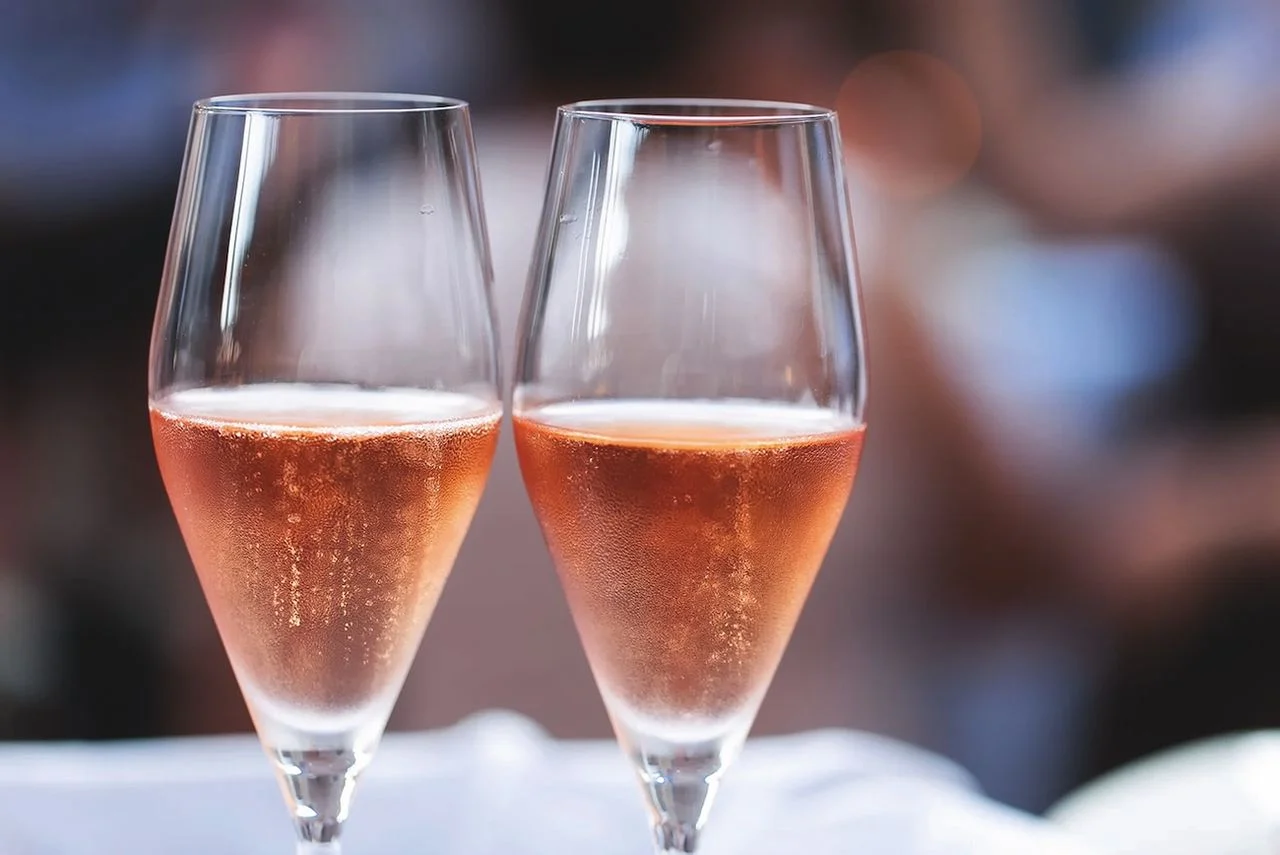
Watch Out for Clear Bottles!
Rosé Champagne often comes in clear glass, which makes it susceptible to ‘light strike’ when exposed to direct sunlight or artificial light. This phenomenon occurs when ultraviolet (UV) light interacts with the wine, resulting in a chemical reaction that can produce off-putting flavors and aromas. The aftermath is typically described as an undesirable vegetal taste, reminiscent of boiled vegetables or wet cardboard, which is far from the experience most consumers desire. With many consumers leaning into wine aesthetics lately, especially the pink hues of rosé, understanding the implications of bottle color is vital. If you're working in this space, educating customers about proper storage could reduce spoilage and enhance their experience significantly.
The Role of Red Wine
Typically, rosé Champagne is crafted using the ‘assemblage’ method, where red Pinot Noir is blended with Chardonnay. This blending isn't merely a stylistic choice; it influences the wine's character and complexity. The percentage of red wine is pivotal to the final profile. For instance, producers like Taittinger and Ruinart, who include at least 15% red wine, yield richer, fruitier profiles infused with depth. In contrast, houses such as Bollinger and Charles Heidsieck keep their red wine proportions below 10%, resulting in lighter, more delicate flavors. It raises questions about consumer preference — do drinkers lean toward the complexity of a fruit-forward experience, or do they savor the elegance offered by lighter blends? That said, the choice of grape varietals as well as the blending percentages can make a noteworthy difference in taste, body, and food pairability.
Intensity From Macération
Less commonly, rosé is produced through ‘macération’ or ‘saignée’ techniques. This method entails extracting color directly from the grape skins during harvest. The longer the skins remain in contact with the juice, the deeper the wine's color becomes. Wines labeled as ‘saignée’ usually feature a darker shade and possess greater intensity and complexity, introducing layers of flavor that can include berry notes, minerality, or even floral undertones. While these methods may not be as widespread as assemblage, they cater to a niche audience that appreciates robust rosés. It’s a stylistic choice that can challenge consumer perceptions; many equate lighter color with lighter taste, but the saignée method proves otherwise. (And this is the part most people overlook).
For Fans of Blanc de Blancs
If you prefer the blanc de blancs style, made solely from Chardonnay, there are rosés that cater to your taste, blending the best of both worlds. Certain producers, like Ayala, create light, citrusy rosés characterized by higher Chardonnay proportions relative to Pinot Noir. This stylistic approach results in a crisp, refreshing palate that still delivers some of rosé's famed allure. For consumers used to the more traditional blends, exploring these styles could open doors to pleasantly surprising experiences. For a lighter option without losing that vital pink hue, these wines stand tall amid their counterparts.
Aging Potential
Don’t be misled by the pink hue; many vintage and prestige rosé Champagnes can age beautifully, akin to their white counterparts. The aging process allows for deeper integration of flavors, creating complex notes of spice and dried fruits that evolve over time. Consider cellaring them for a minimum of three years post-release to fully appreciate their transformation. The misconception that rosé is best enjoyed young could limit your exploration of these unique wines. Quite a few rosé enthusiasts have been missing out on the enhanced experience that comes with aging. This points to a potential gap in the awareness among consumers — leaving the impression that rosé should be consumed as an impulsive summer refreshment rather than as a thoughtfully aged wine.
Implications for the Future
The dynamics surrounding rosé Champagne offer several implications for the wine industry. As consumer tastes evolve, there’s potential for rosé to gain a more prominent role in fine dining and premium wine collections. This might sway producers to innovate further, exploring unique blends and aging techniques that could redefine what rosé represents. That’s where the conversation about bottle color and light exposure becomes significant; educating consumers on proper storage and appreciating rosé as a serious wine could elevate its status. With the growing emphasis on sustainability in packaging and wine production, the industry might also reconsider the conventional clear bottle for rosé. Producers need to strike a balance between aesthetic appeal and long-term quality preservation as their audience becomes more informed about wine’s vulnerabilities. The future could see a shift in packaging norms that encourages consumers to appreciate rosé in all its complexity, rather than limiting them to preconceived notions.

Discussion
Sign in to join the discussion.