Colli Orientali is emerging as a notable source of native red wines, showcasing unique varieties that redefine Italy's northeastern wine scene.
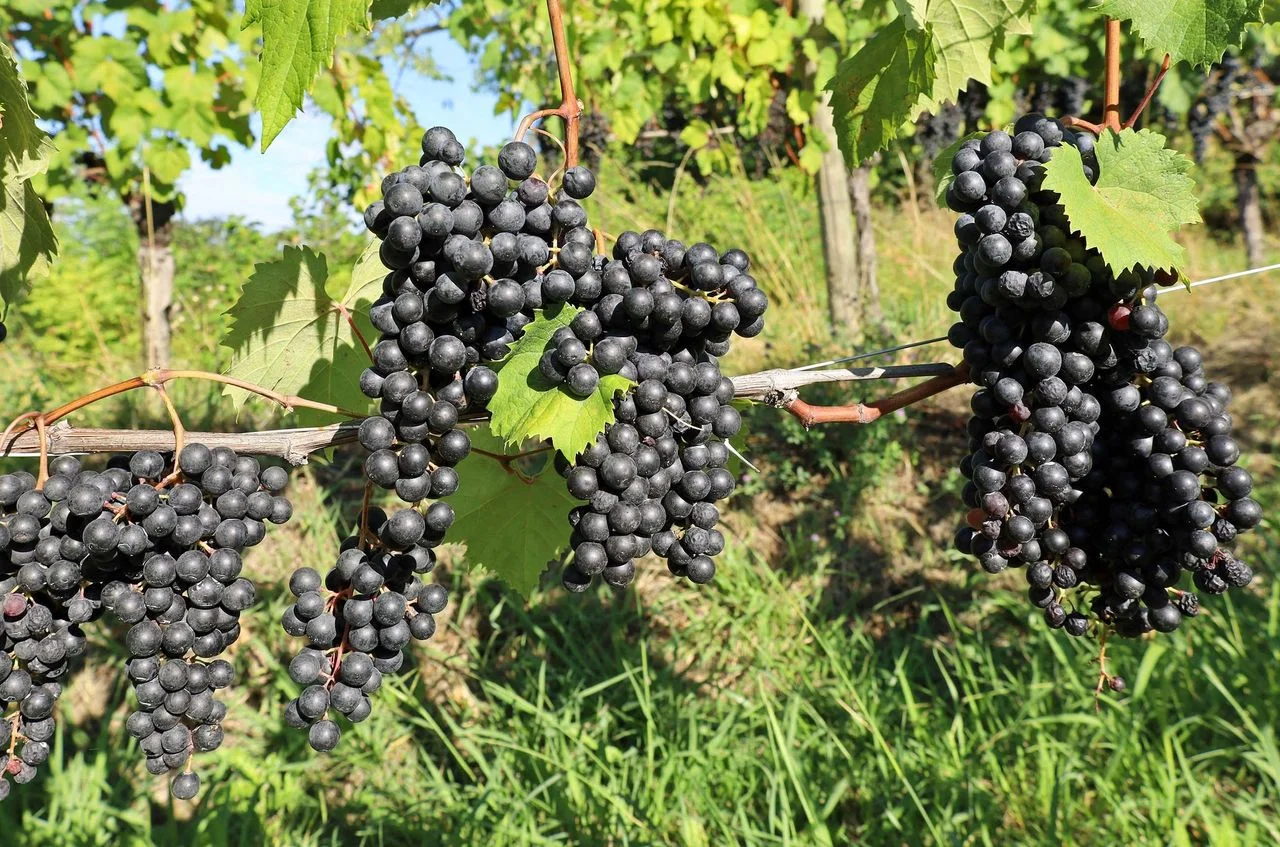
When Friuli is mentioned, wine enthusiasts typically think of its exquisite white wines. However, the Colli Orientali region is gaining recognition for its diverse offerings of native red varietals that are capturing attention across Italy.
Situated in the northeastern part of Italy, the Colli Orientali, or ‘Eastern Hills,’ extends from the famous Collio DOC, distinguished only by an administrative border. Collio is part of Gorizia province, whereas Colli Orientali belongs to Udine. Both regions share similar terrains: hilly landscapes, parallel elevations, and a calcareous marl soil known locally as ponca. Yet, Colli Orientali stands out for its production of red wine, which constitutes approximately 25% of its total DOC output, according to Consorzio Tutela Vini Friuli Colli Orientali.
Unlike Collio, which primarily focuses on white grapes, Colli Orientali is home to three significant native red varieties: Pignolo, Refosco, and Schioppettino. These grapes contribute to the area's unique terroir and are reshaping the perception of Friuli’s wine identity.
Refosco: The Late-Ripening Survivor
Refosco itself is not just one type but encompasses a family of varieties, with various iterations thriving, particularly in Colli Orientali. Among them, the most prominent is Refosco del Peduncolo Rosso, identifiable by its striking red stems and thick skin. This late-ripening grape thrives in sunny conditions, yet under-ripe versions can struggle with harsh tannins and high acidity.
However, with recent warm vintages, the quality has improved significantly. Successful bottlings reveal a vibrant ruby-violet hue, with lively notes of cherry and raspberry, and a palate that balances medium weight and vivacious flavors. To avoid reductive qualities, careful barrel aging is recommended.
Peduncolo Rosso
Refosco is not without its complexities, showcasing its diversity through lesser-known family members like Refosco Nostrano. While sharing a name, Nostrano delivers wines marked by finesse and subtlety, creating a distinct contrast with its more robust relatives.
Schioppettino
Once widespread in the upper Judrio valley, Schioppettino faced near extinction post-World War I. The delicate nature of the grape, combined with its susceptibility to various diseases, led to dramatic reductions in its cultivation. Renowned wine writer Mario Soldati noted only a handful of producers working with it when he explored the variety in 1977.
Fortunately, Paolo Rapuzzi from Ronchi di Cialla emerged as a savior, planting unauthorized vineyards to preserve this unique grape. Schioppettino's resilience shone through as it gained inclusion in the national grape register soon after. Now highly site-specific, it's primarily cultivated around Albana and Prepotto, which boasts its own DOC sub-zone.
Characteristically, Schioppettino ripens late, maintaining admirable acidity while presenting refined tannins. It yields pale ruby wines with intense dark berry aromas and a palate marked by a peppery finish. Schioppettino's ability to develop elegance over time draws parallels to mature Pinot Noir, making it a star among native grape varieties from the region.
Pignolo
Pignolo, despite being relatively obscure, shows promise with a dedicated following. Though around 60 producers work with it, it only spans a mere 44 hectares, highlighting its elusive nature in the Colli Orientali register. Its survival echoes Schioppettino's narrative, as it too faced a steep decline, reaching near disappearance by the 1950s.
This grape is notoriously difficult to cultivate due to low yields and specific site requirements. When nurtured successfully, the wine exhibits high acidity, substantial alcohol potential, and concentrated tannins, comparable to those found in Sagrantino. With a mandatory aging requirement of at least three years, Pignolo starts to show its character with dark fruit flavors and a dense mouthfeel, evolving into intricate, mature wines after several years.
The Road Ahead for Colli Orientali’s Native Red Grapes
Reflecting on the last two decades, red grape varietals constituted around 40% of the planted area in Colli Orientali, primarily dominated by Merlot. While it's unlikely that red varieties will replicate that volume, a revival seems to be underway, not through old favorites but through local native grapes, which are forging a new identity for the region.
Refosco:
- Aquila del Torre
- Borgo delle Oche
- Belluzzo
- Cà di Bon
- Gigante
- La Sclusa
- Petrussa
- Ronc dai Luchis
- Vignai da Duline
Schioppettino:
- Antico Broilo
- Le Due Terre
- Monviert
- Petrussa
- Pitticco
- Ronchi di Cialla
- Ronco Severo
- Spolert
- Vigna Lenuzza
- Vigna Traversa
Pignolo:
- Butussi Valentino
- Castel Santanna
- Dorigo
- Gigante
- Guerra Albano
- Livio Felluga
- Moschioni
- Rodaro
- Ronco delle Betulle
- Tunella
12 Wines to Highlight Colli Orientali's Red Potential
Related Articles
Trentino Emerges: A Whole New World to Discover in the Dolomites
Try These 10 Wines from Piedmont's Microscopic Nebbiolo Outposts


Discussion
Sign in to join the discussion.